Custom Vial Boxes & Vial Packaging
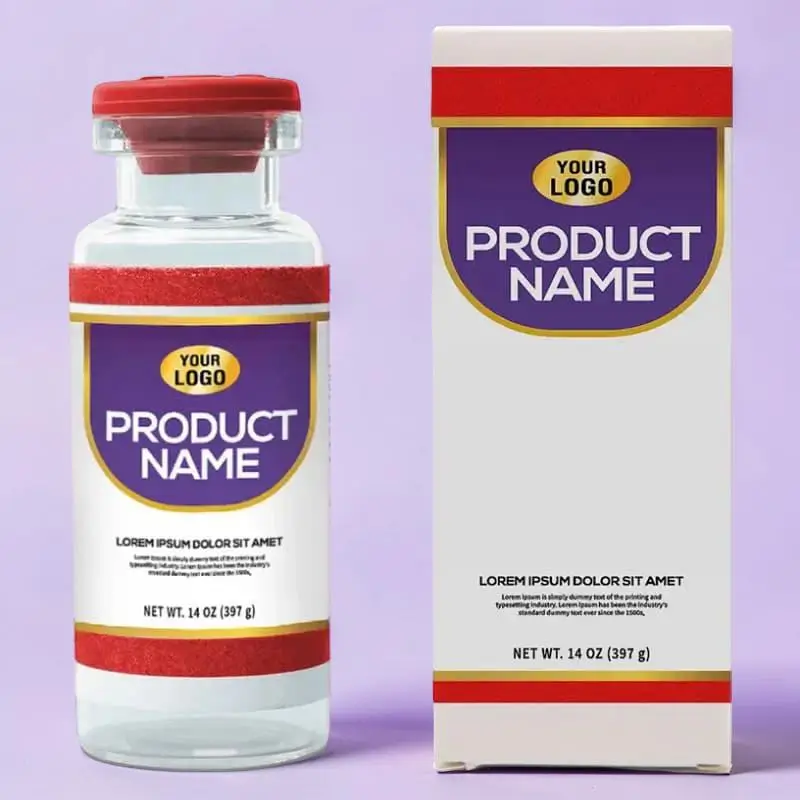
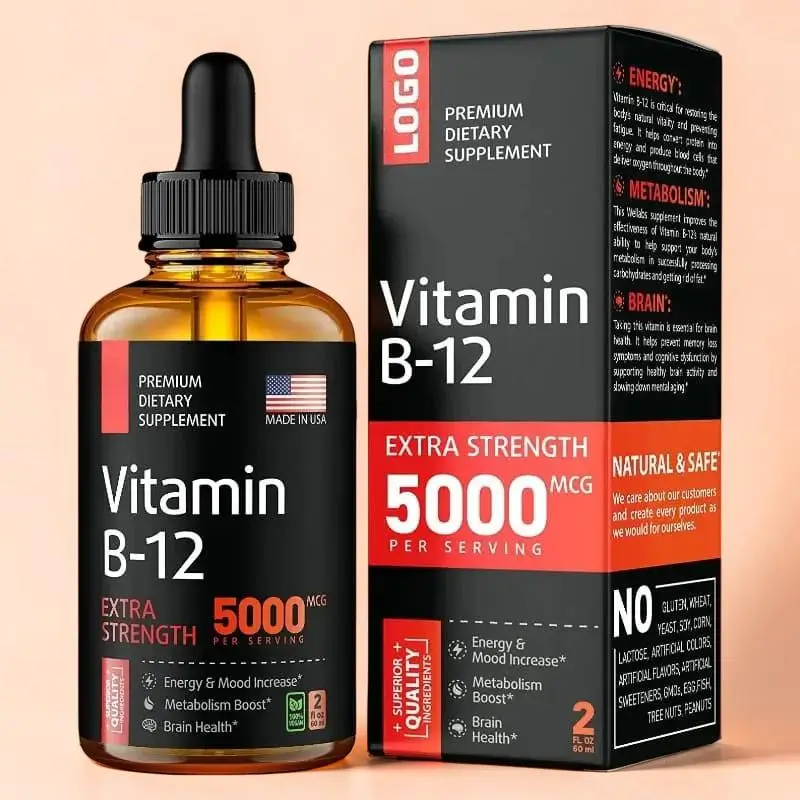
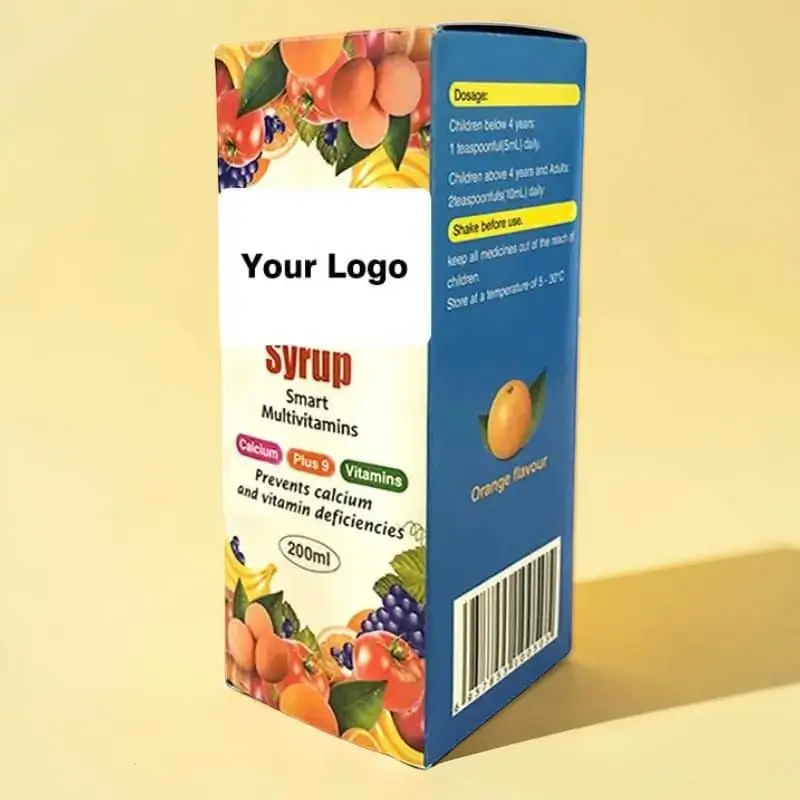
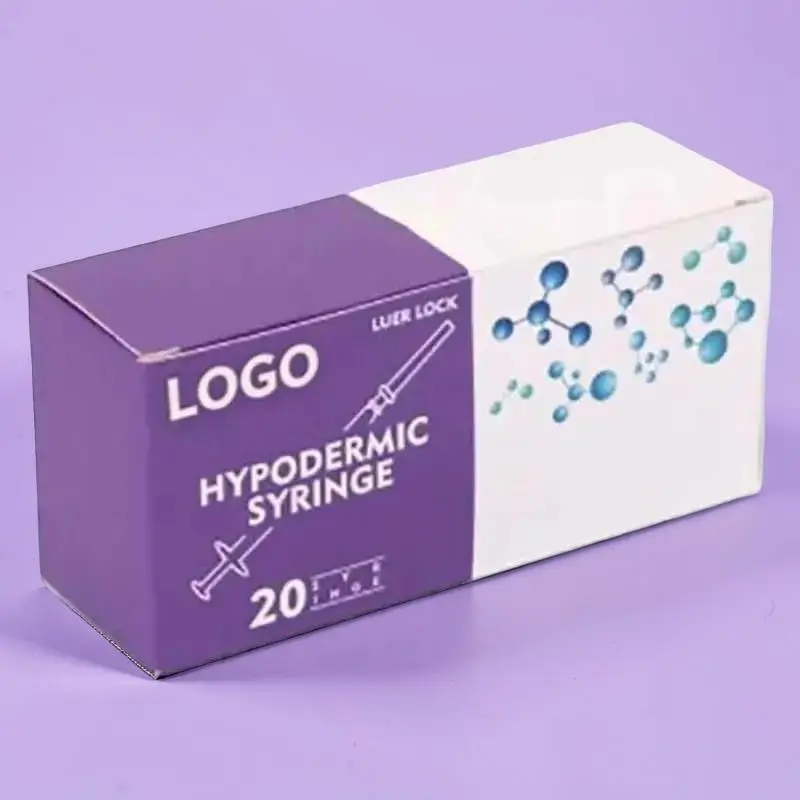
Vials are small, usually they are glass, and on top of that they roll. These three things only cause most of the damage which we hear about, whenever a client comes to us frustrated with their current vial packaging. A carton which fits loosely lets the vial move, and glass which moves against glass, it does not end well. We print a lot of secondary packaging for vials here at ZEE Packaging. No matter you need peptide vial packaging box or need boxes for 2ml, 3ml or 10ml vials we have got you covered. We also provide labels for your vial bottles, so that the same matches your branding. So here is how we approach the vial packaging properly.
Stop The Movement First
Everything else after this is secondary only. If the vial shifts inside the vial box, then whatever else you do, nothing of it matters.
- Die-cut paperboard insert having an individual well, this is our default recommendation
- Foam bed for heavier or thicker glass
- Molded pulp tray in case you want zero plastic in the vial packaging
- Snug internal dimensions, so that nothing rattles even before the insert goes in
- Never rely on tissue alone with glass; on its own it is simply not enough
- Reverse tuck end carton, the standard single-vial box, cheap and quick
- Seal-end carton, glued ends which give tamper evidence for pharma vial packaging
- Multi-cavity carton, for 2-, 3-, 5- and 10-vial sets
- Rigid lid and base, for a premium serum and clinic range
- Corrugated shipper, an outer for a multipack vial box which goes by freight
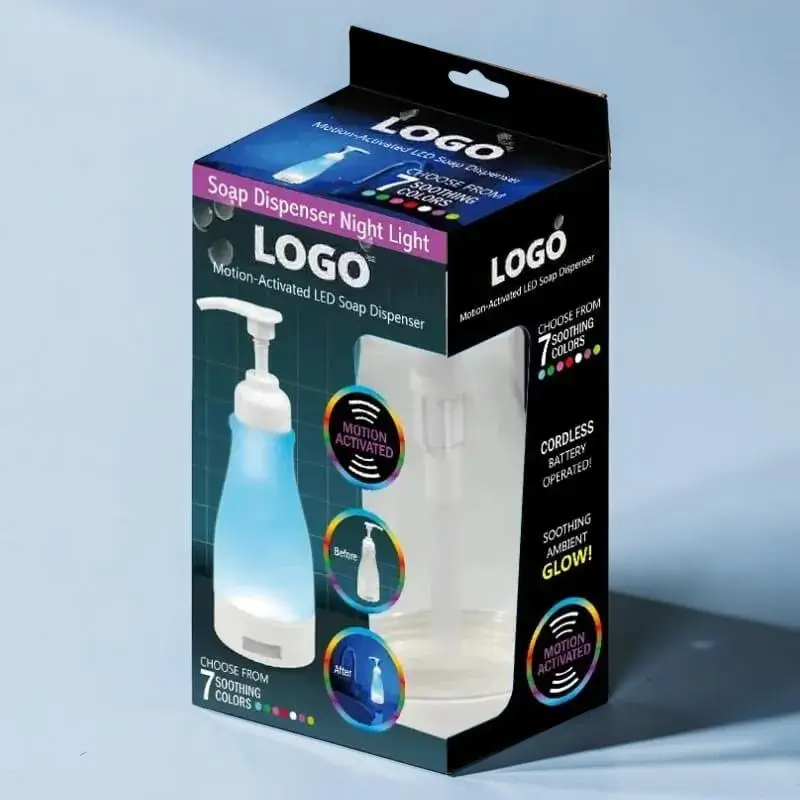
- Window carton, it shows the liquid color, quite popular for cosmetic and serum products
Sizes We Run Regularly
Every vial box is built as per your glass, though these sizes turn up constantly:
- 1" x 1" x 2.5" for a 2ml single-vial box
- 1.25" x 1.25" x 3" for 5 ml
- 1.5" x 1.5" x 3.5" for 10 ml having a dropper cap
- 2.5" x 1.5" x 3.5" for a two-vial set
- 4" x 2.5" x 3.5" for a five-vial box
- 6" x 4" x 3.5" for ten-pack vial packaging
Kindly measure the vial with the cap or dropper fitted, not bare, and send us that number. Cap height catch people out more than anything else.
Board Choice
- SBS C1S for printed retail and pharma vial boxes
- 18pt to 24 pt cardstock, with glass inside we rarely go thinner than this
- Kraft board for natural and apothecary look
- Corrugated E-flute for shipping vial packaging
- Rigid greyboard 36 pt for a premium clinic range
Thin board bows around a glass vial within few days only on a shelf, and a bowed vial box reads cheap immediately.
Panel Requirements
Pharma and cosmetic vial packaging carries much more mandatory copy as compared to most of the products.
- Product name, strength and concentration
- Volume in ml
- Batch and lot number space, kindly leave it blank for coding
- Expiry date panel
- Storage conditions, refrigerate or ambient
- Ingredient or active list
- Barcode with proper quiet zone
- Braille in case you supply into a regulated pharma market
Our prepress team checks each one of these against the dieline, so that nothing gets trimmed at the edge.
Finishing
- Matte or gloss lamination
- Soft touch on a premium serum vial box
- Spot UV over the logo
- Foil stamping, gold and silver for a clinical or luxury feel
- Embossing and debossing on kraft
- Window patch with clear PET
Greener Options
- Recycled kraft vial box with no film
- Molded pulp insert over foam
- FSC certified board, certificate on request
- Soy-based ink
- Right-sized vial packaging, so that you ship less air
How We Work
- 100-unit minimum on any vial box design
- Free 3D mockup and flat proof
- Free dieline from our inhouse designer
- Urgent turnaround of 5 to 8 business days
- Free shipping worldwide
Frequently Asked Questions
How much does a box of vials cost?
vial boxes estimated cost is $0.28 to $0.85 per unit for a single folding carton, $0.60 to $2.60 for multi-cavity cartons and $2.00 to $7.00 for rigid boxes at moderate quantities. The insert type and foil finishing push the price up. Shipping is already included in our price. This is an estimate only, so ask our team for an exact quote.
Which insert is best for glass vials?
Die-cut paperboard for most of the jobs; it costs less and recycles cleanly also. Use foam or molded pulp once the glass gets thicker, or in case you ship the vial box on its own.
Can you leave space for batch and expiry coding?
Yes, we lay out one clear uncoated area, so that your inkjet coder prints sharply. Coding over the lamination tends to smudge.
Do you offer tamper evident options?
Seal-end cartons plus tamper stickers, this is the usual route. We can print the sticker also alongside your vial packaging.
Can you fit a dropper and vial together?
Easily we can. We build a two-well insert, so the dropper sits beside the glass and neither of them knocks against the other in transit.
Is a window a bad idea for light sensitive product?
Usually yes it is. If the formula degrades in light, then we recommend amber glass and one solid panel instead of a window.
Do you print Braille?
We do, on request, positioned to the standard which your market requires. Just send us the text and we place it on the dieline.