Custom Frozen Food Boxes & Frozen Food Packaging
Freezers destroy ordinary cartons. Board absorbs frost, the fibres separate, and a box that looked perfect on a desk comes apart after six weeks in a chest freezer. Then it moves to a warm kitchen and condensation finishes the job. We produce a lot of frozen food packaging at ZEE Packaging and freezer performance decides every part of the spec.
The Freezer Is A Hostile Place
A frozen food box has to survive conditions most packaging never faces.
- Frost works into uncoated board and delaminates it
- Freezer grade coating is essential, not an optional upgrade
- Condensation on removal is what softens a carton, not the cold itself
- Ink cracks on a fold once board goes rigid at low temperature
- Lamination must bond properly or it lifts at the corners
- Six weeks in a freezer tells you far more than a warehouse test
Most failures we get asked to fix are cartons that were never tested cold.
Test It Cold Before You Commit
This is the single best piece of advice we give in this category.
- Put a sample in an actual freezer for several weeks
- Take it out and let it reach room temperature
- Check the corners, the seams and the print surface
- Repeat the cycle, since stock often freezes and partly thaws in transit
- Check the closure still opens cleanly when cold
- We supply samples specifically so you can do this
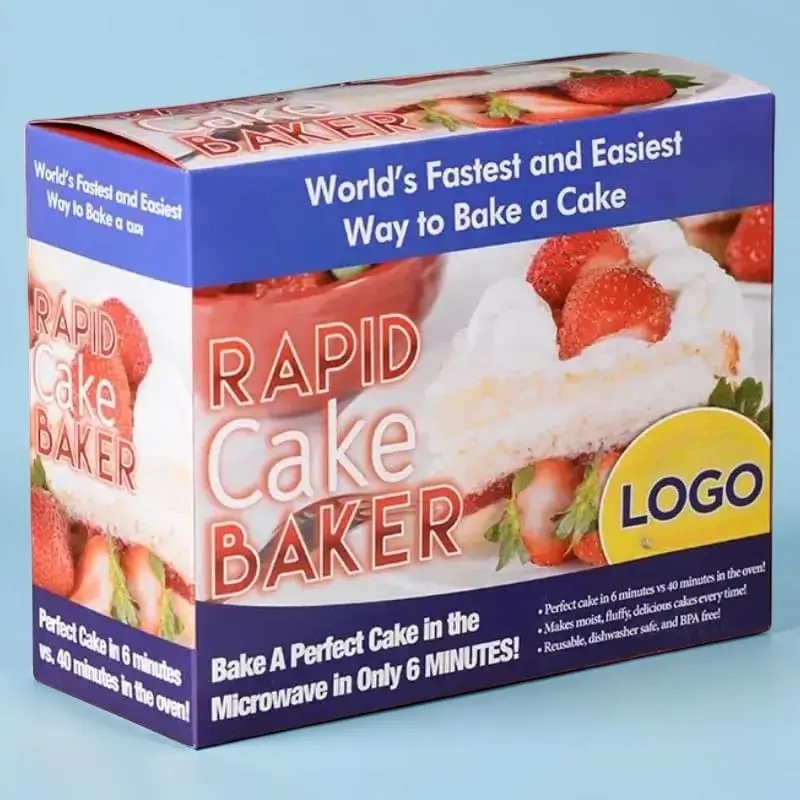
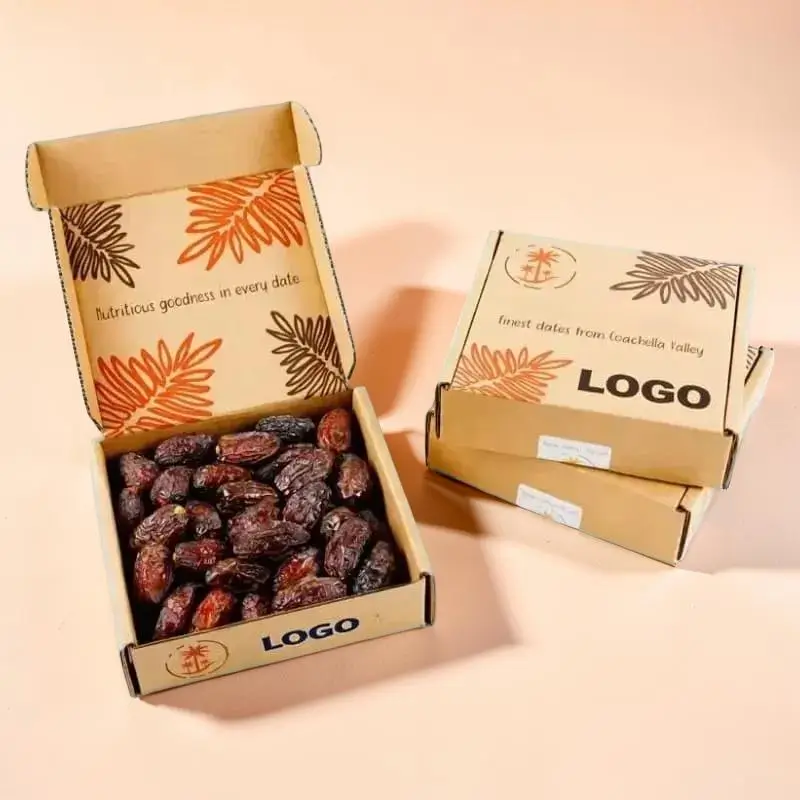
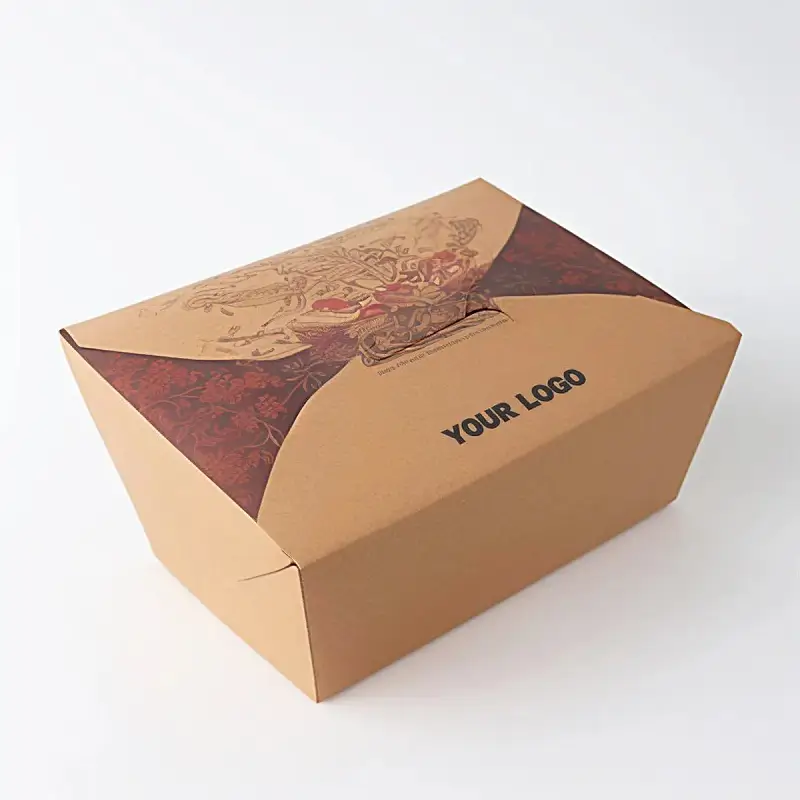
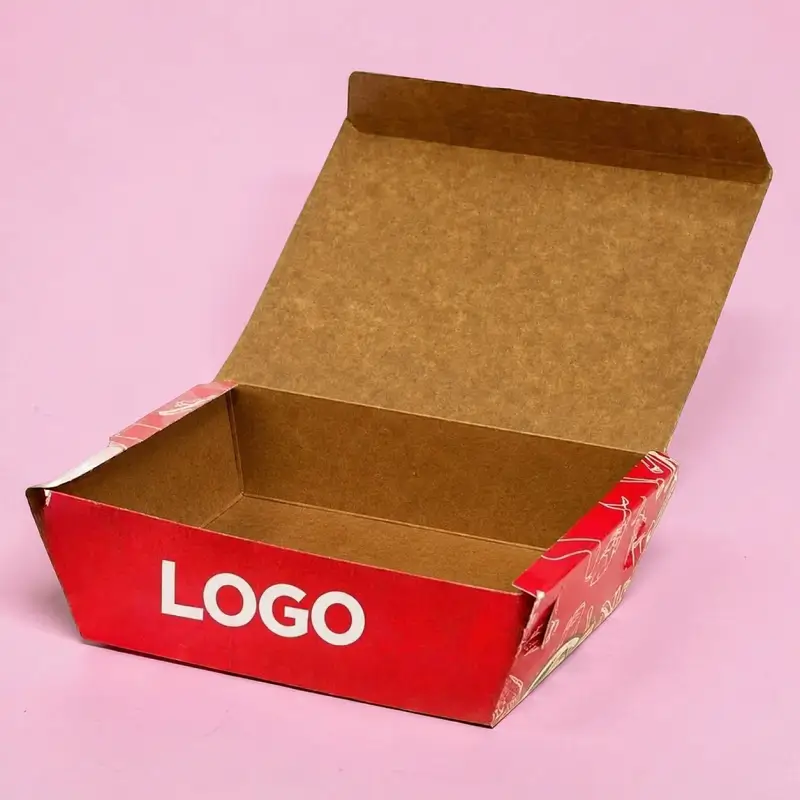
- Tuck end carton over an inner bag the standard retail frozen food box
- Seal end carton tidy on a freezer shelf
- Auto lock bottom heavier fills and bulk formats
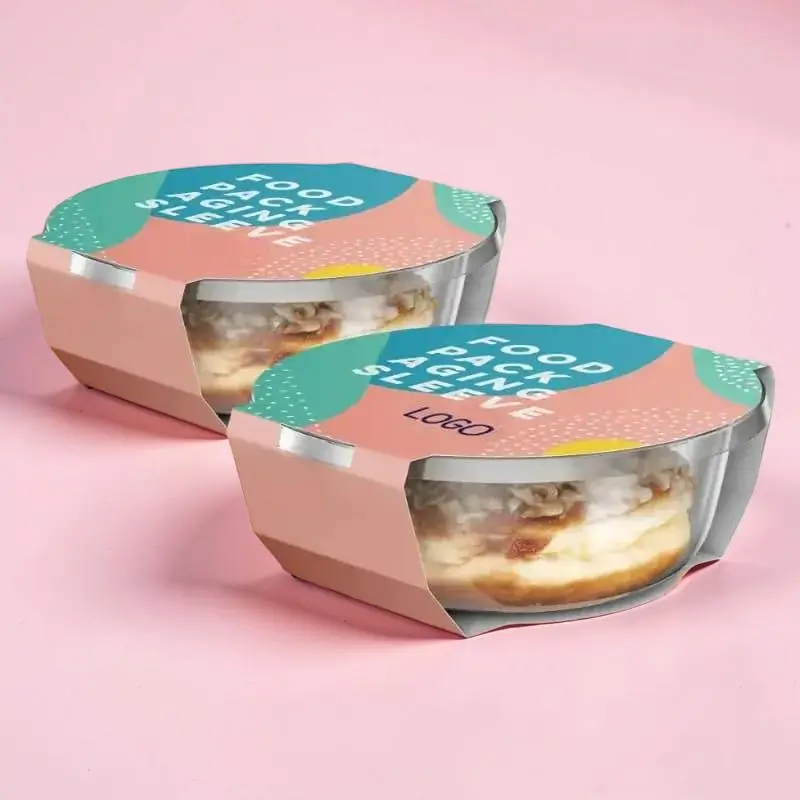
- Ovenable tray with a sleeve ready meal frozen food packaging
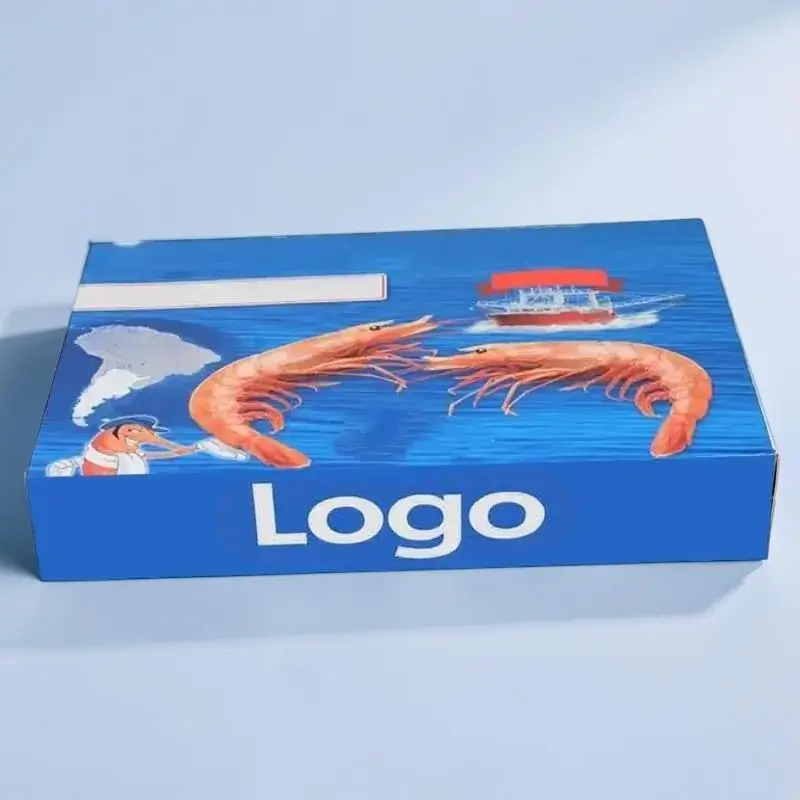
- Corrugated shipper cold chain distribution
- Single portion carton meal and snack formats
Sizes We Print Regular
Every frozen food box is built to your product, though these run often:
- 8" x 5" x 2" for a standard retail meal
- 6" x 4" x 2" for a single portion
- 10" x 7" x 2.5" for a family size
- 9" x 6" x 3" for a bulk bag carton
- 12" x 9" x 3" for a multipack
- 16" x 12" x 10" for a cold chain shipper
Board And Coating
- Food grade certified stock, always, without exception
- Freezer grade coating on anything in direct contact
- SBS C1S for vivid print, since frozen aisles are colour led
- 20pt to 24pt depending on the fill weight
- Corrugated E flute or B flute for shippers
- Ovenable grades where the tray goes straight in an oven
Cooking instructions need real prominence here. Buyers check them before purchase, and unclear instructions generate complaints that have nothing to do with the food.
Kinder Material Choices
- Recycled board where the freezer grade allows it
- FSC certified stock, certificate available on request
- Soy based ink through the whole run
- Water based freezer coating instead of plastic lamination
- Compostable inner bags where the barrier permits
- Right sized frozen food packaging so you ship less air
How An Order Runs With Us
- 100 unit minimum, so a new brand can launch a product
- Free 3D mockup and flat proof before anything prints
- Free dieline drawn by our own designer
- Physical sample on request, which we would strongly encourage here
- Urgent turnaround at 5 to 8 business days
- Free shipping worldwide with nothing hidden
Frequently Asked Questions
How much is a frozen food box?
Rough estimate is $0.25 to $0.70 per unit for a retail carton, $0.45 to $1.20 for a larger format and $1.60 to $3.60 for a cold chain shipper at moderate quantity. Coating moves it. Shipping is included in our price. This is estimate only, so ask our team for a exact quote.
Will a normal carton survive a freezer?
Not reliably. Standard board absorbs frost and delaminates, so freezer grade coating is genuinely necessary rather than a premium option.
Can the print crack in the cold?
With the wrong ink, yes. Board goes rigid at low temperature and cheap ink cracks along the folds, which is why we spec for freezer specifically.
Do you supply ovenable trays?
We do, in grades rated for the temperature. Confirm your cooking time and temperature and we will advise honestly.
Do we still need an inner bag?
For loose products, yes. The carton handles branding and structure, the bag handles the barrier.
How do we test before ordering?
Freeze a sample for a few weeks, then thaw it. We send samples specifically so you can run that test properly.
Is the board food safe?
Always. We only run food grade certified stock for anything holding food.