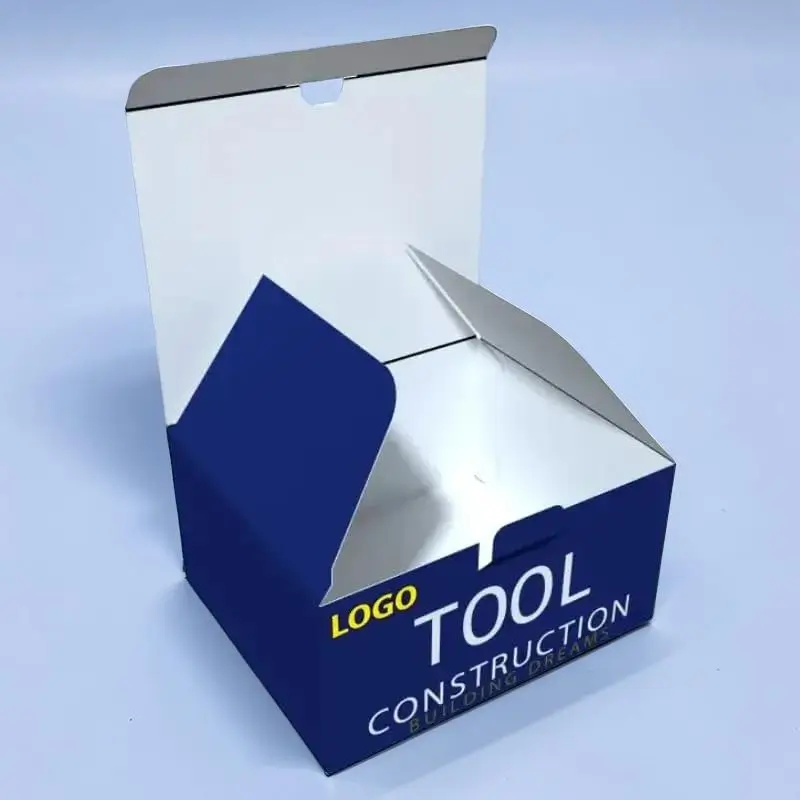
Tools are heavy, sharp and awkward, and the buyer is usually someone practical who judges a product by how solid it feels. A flimsy carton around a decent tool sends exactly the wrong message. We produce a lot of hardware & tool packaging at ZEE Packaging and this is a category where over specifying the board is almost never the wrong call.
Weight Concentrates In Small Areas
A hardware & tool box has to cope with dense metal.
- Steel and cast iron concentrate load on a tiny contact point
- The base seam takes the punishment, not the lid
- Double wall for anything with real weight or a pallet destination
- Reinforced handle cuts, because these get carried by hand
- Corner strength matters, since dropped tools land on corners
- Send us the filled weight rather than only the dimensions
Most failures we get asked to fix are a base that split under a loaded carton.
Sharp Edges Cut Their Way Out
This is the part that catches people out.
- Blade guards or edge protection on anything with a cutting surface
- A cradle that stops the tool sliding into a wall
- Board barrier between a point and the outer panel
- Never let two sharp tools share an undivided compartment
- Serrated edges tear board faster than straight ones
- Loose screws and bits need their own sealed compartment
- Corrugated carton with a die cut tray the standard hardware & tool box
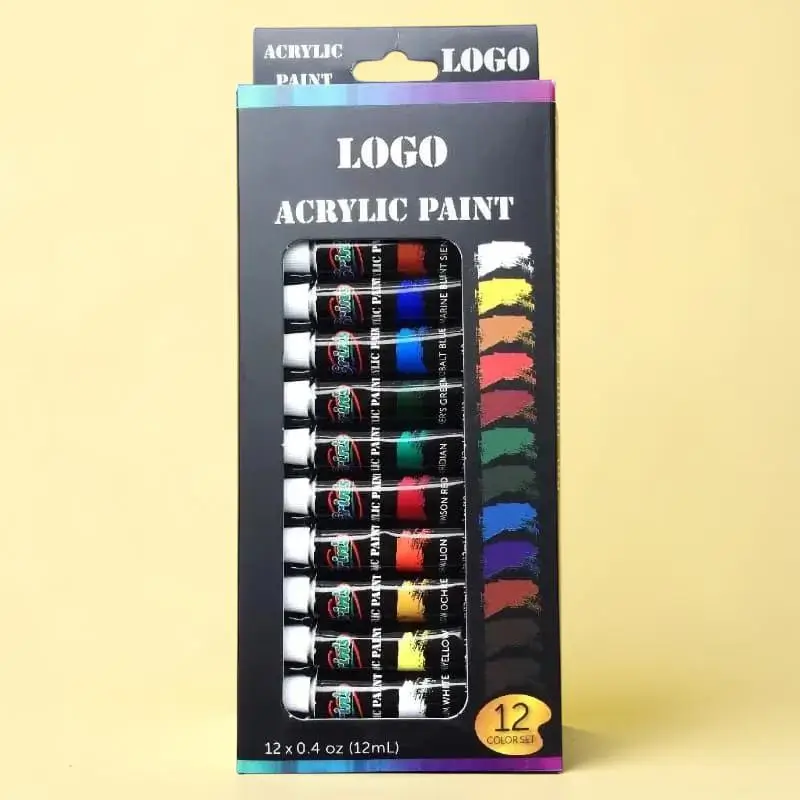
- Blister card on a backer peg display hardware & tool packaging
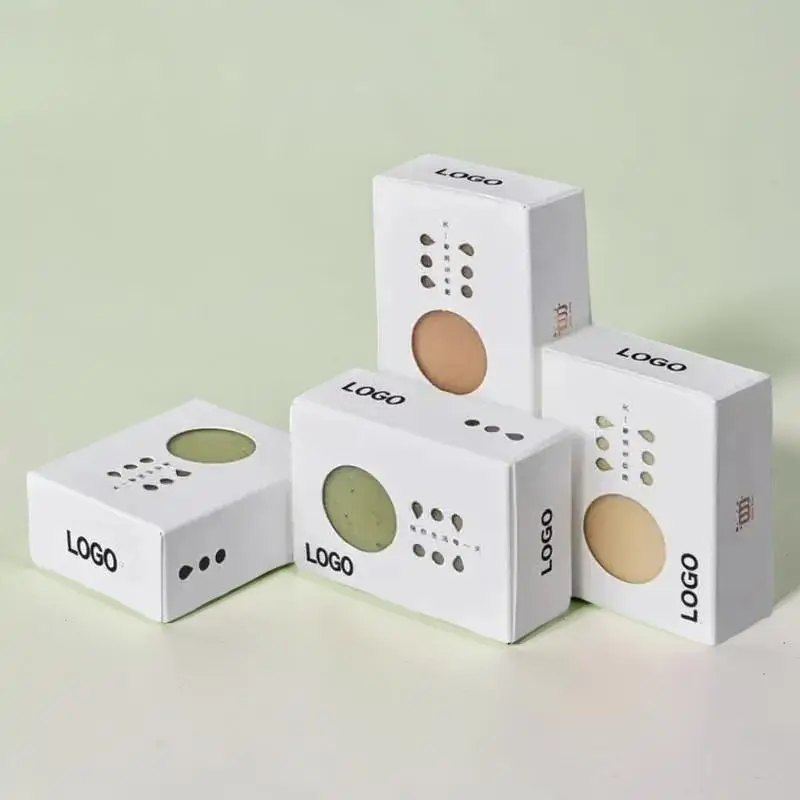
- Window carton shows the finish and the tool itself
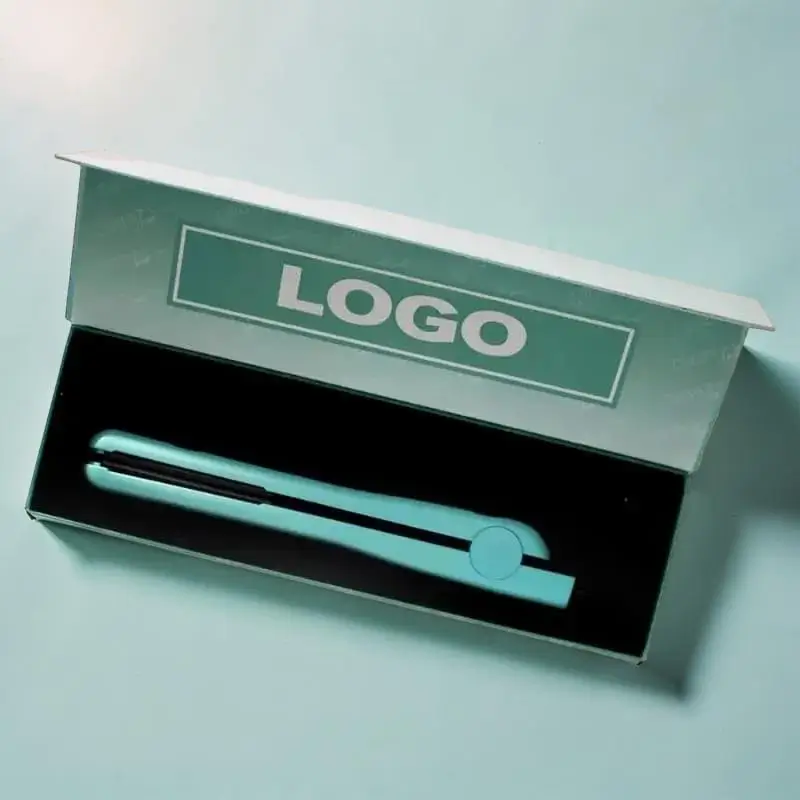
- Rigid presentation box gift sets and premium tool ranges
- Multi tool set carton with a divided insert kits and bundles
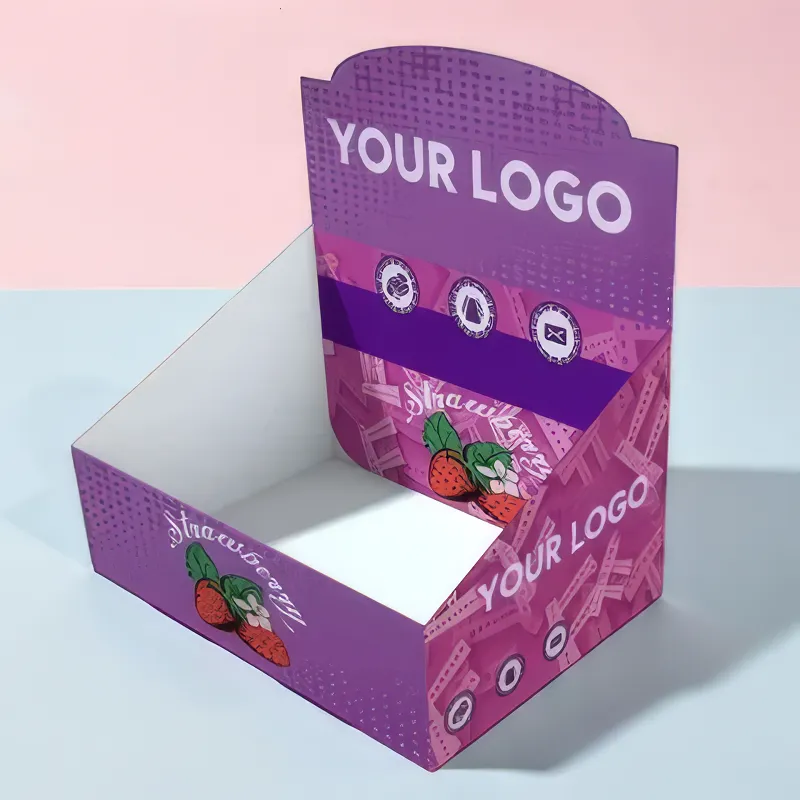
- Bulk trade carton wholesale hardware & tool packaging
Sizes We Print Regular
Every hardware & tool box is built to your product, though these run often:
- 10" x 4" x 2" for a single hand tool
- 14" x 6" x 3" for a power tool
- 12" x 9" x 3" for a small tool set
- 16" x 12" x 4" for a full kit
- 6" x 4" x 1.5" for fixings and small hardware
- 18" x 14" x 8" for a bulk trade carton
Measure with any attachment or accessory fitted if that is how it packs.
Board And Insert
- B flute corrugated as the baseline for a single tool
- Double wall for kits, power tools and anything palletised
- Litho laminated corrugated for full colour retail print
- Kraft corrugated for trade and plain shipping
- 20pt to 24pt backer card, since a flimsy card sags under a tool
- Moulded pulp or die cut board cradle inside
Peg hole tearing is the most common complaint on blister formats, so we reinforce every hang hole as standard.
What The Panel Should Carry
- Size, gauge or capacity, since tradespeople check specifications
- Material, chrome vanadium, carbon steel, forged
- Voltage and battery compatibility on power tools
- What is included in a set, listed clearly
- Safety warnings where they apply
- Barcode with a proper quiet zone
Choices That Waste Less
- Recycled corrugated across most grades we run
- FSC certified board, certificate available on request
- Soy based ink through the whole run
- Moulded pulp instead of EPS foam
- Paper blade guards rather than plastic sleeves
- Right sized hardware & tool packaging so you ship less air
How An Order Runs With Us
- 100 unit minimum, so a new brand can launch a line
- Free 3D mockup and flat proof before anything prints
- Free dieline drawn by our own designer
- Physical sample on request to test the fit and the handle
- Urgent turnaround at 5 to 8 business days
- Free shipping worldwide with nothing hidden
Frequently Asked Questions
Which flute for a power tool?
Double wall, particularly if it goes on a pallet. A power tool concentrates real weight on a small footprint and B flute alone gives way.
Do you supply blade guards?
We do, in board or moulded pulp. Anything with a cutting edge needs one, since a blade will work through a panel in transit.
Will the peg hole hold?
Only if reinforced. An unreinforced hang hole tears under the weight of a metal tool, which is the failure we get shown most.
How much is a hardware and tool box?
Rough estimate is $0.55 to $1.40 per unit for corrugated with a tray, $0.35 to $0.95 for a blister backer card and $2.60 to $6.00 for rigid presentation at moderate quantity. Weight and insert type move it. Shipping is included in our price. This is estimate only, so ask our team for a exact quote.
Can you build a divided insert for a set?
Yes, with a well per tool. Loose tools knocking together is what causes finish damage inside a kit.
Is a window worth adding?
For retail, often yes. Tradespeople want to judge the finish and the build before buying.
Can you print trade and retail versions?
Yes, one dieline with two artwork versions. Plain kraft for trade, full colour for retail shelf.