Custom Paperboard Boxes & Paperboard Packaging
Paperboard is the umbrella term covering everything from a thin cereal carton to a heavy rigid gift box. It is thicker than paper, thinner than corrugated, and it accounts for most of what sits on a retail shelf anywhere in the world. We produce a lot of paperboard packaging at ZEE Packaging and understanding the grades is what gets you the right box at the right price.
The Grades Behind The Word
A paperboard box could be any of several materials.
- SBS, bleached white through the whole thickness
- CCNB, recycled with a grey or brown back
- Kraft board, unbleached and naturally brown
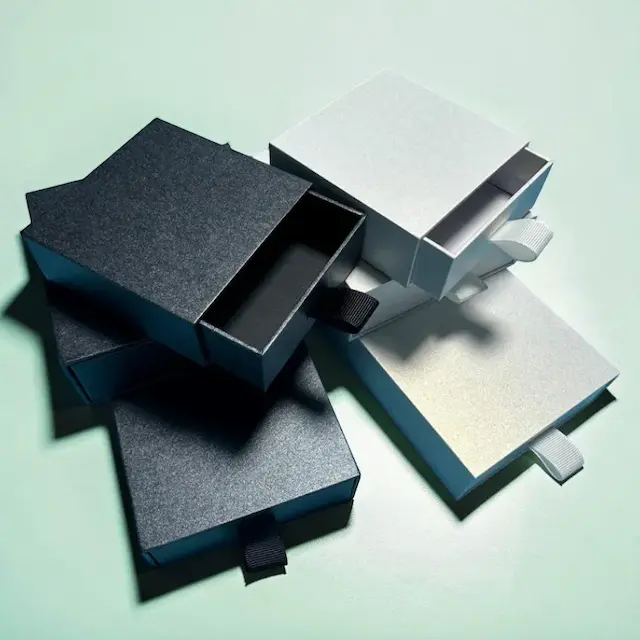
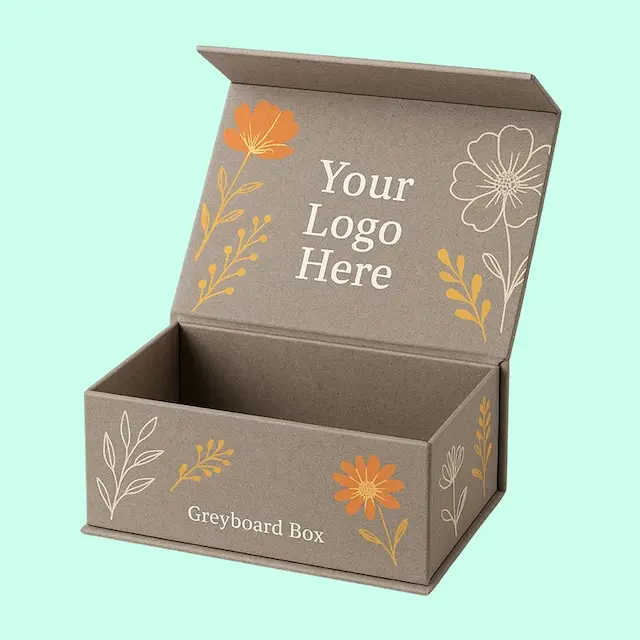
- Greyboard, dense recycled fiber for rigid builds
- Duplex, coated one side with a recycled reverse
- Each prints, folds and costs differently
Most paperboard packaging problems we get asked to fix are the wrong grade rather than a poor structure.
Caliper Follows The Load
Thickness decides how a carton performs.
- 12pt to 14pt for very light retail items
- 16pt to 18pt for the majority of what we run
- 20pt to 24pt where the product carries real weight
- 28pt for a near rigid feel without the rigid cost
- 36pt and above for built rigid construction
- Send us the filled weight rather than the dimensions alone
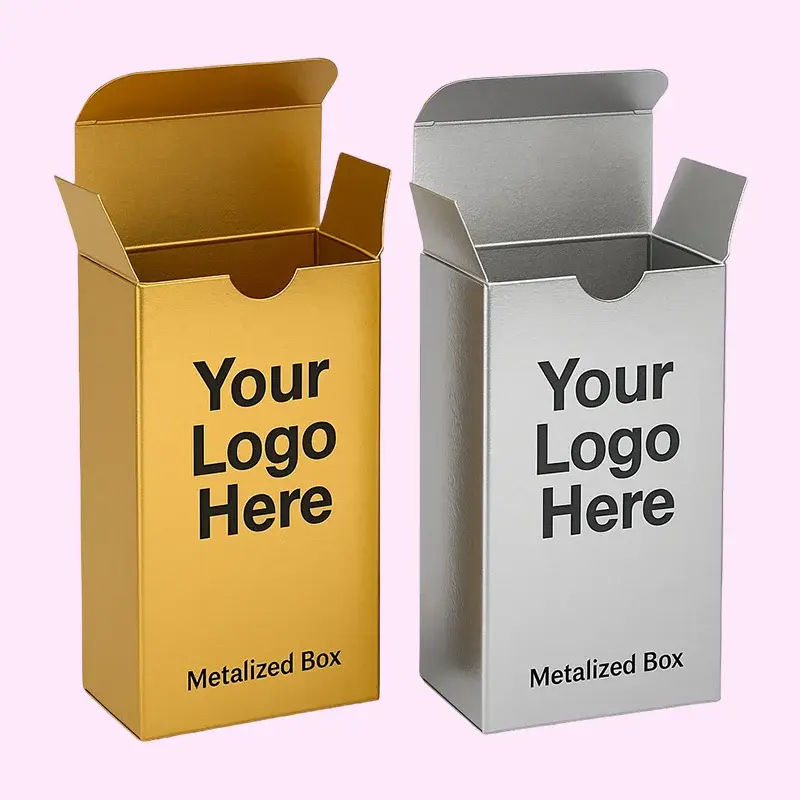
- Reverse tuck end the cheapest paperboard box format
- Straight tuck end a cleaner front for retail display
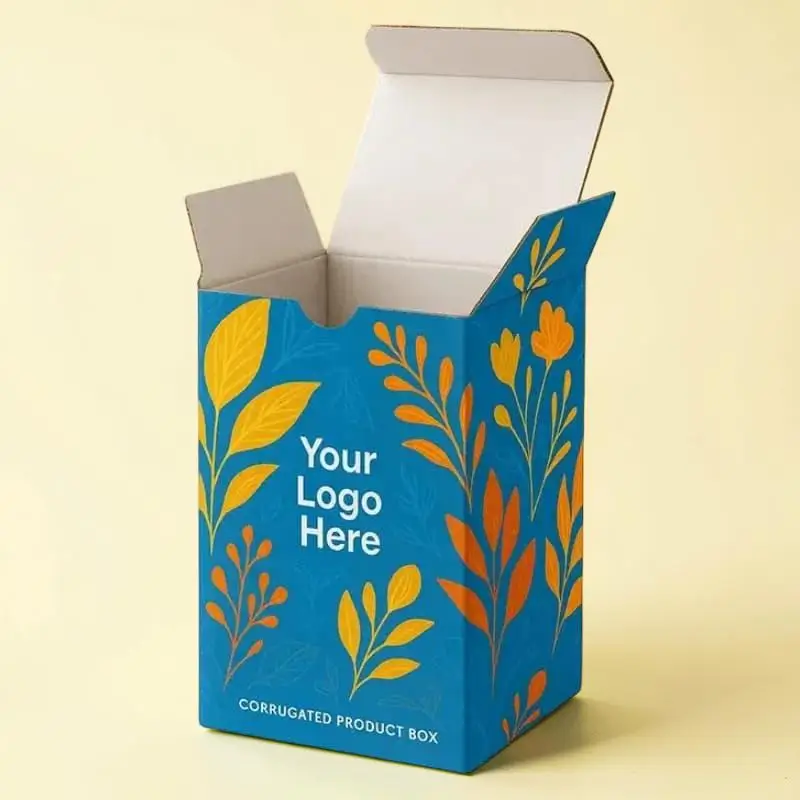
- Seal end carton glued, standard in food and pharma
- Auto lock bottom carrying weight and assembling fast
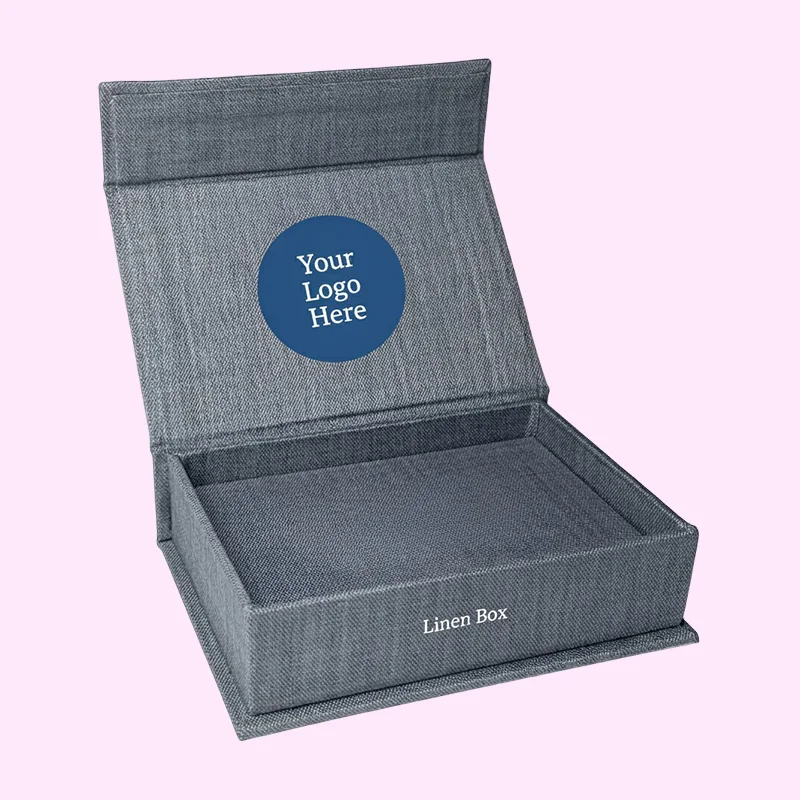
- Rigid lid and base premium paperboard packaging
- Window carton showing the product through a die cut
Sizes We Print Regular
Every paperboard box is built to your product, though these run often:
- 2" x 2" x 4" for a cosmetic tube
- 3" x 2" x 5" for pharma and blister packs
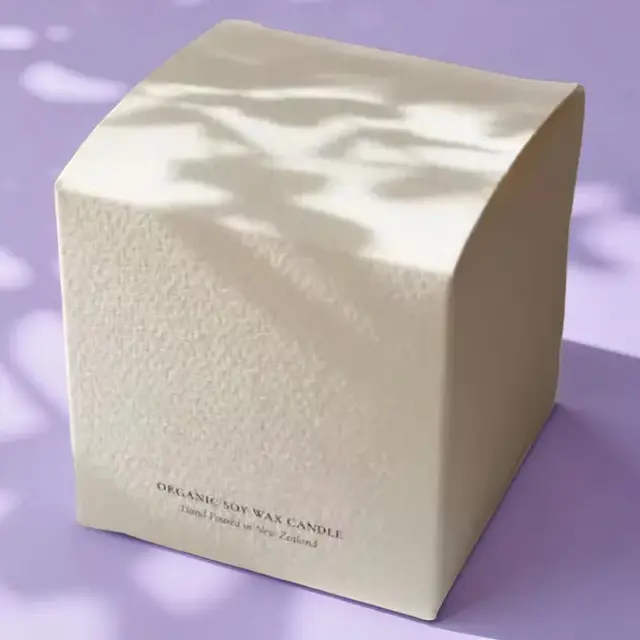
- 4" x 4" x 6" for a candle or jar
- 6" x 4" x 8" for a food carton
- 8" x 6" x 2" for a flat item
- 10" x 8" x 3" for a gift set
Print And Finish
- Offset litho for volume, digital for shorter runs
- CMYK plus spot Pantone, up to six colors
- Matte, gloss and soft touch lamination
- Aqueous coating where recyclability leads
- Foil stamping, spot UV, emboss and deboss
- Window patching with PET or compostable film
Our prepress team check every file against the dieline before printing, so nothing gets trimmed at the edge.
Materials That Reduce Impact
- Recycled content grades, widely available across the category
- FSC certified board, certificate available on request
- Soy based ink through the whole run
- Aqueous coating instead of plastic lamination
- Compostable window film in place of PET
- Right sizing so no board is wasted per carton
Paperboard is already among the easier materials to recycle. Dropping the lamination is the single change that keeps it in a standard household stream.
What Working With Us Involves
- 100 unit minimum, so a small brand can order properly
- Free 3D mockup and flat proof before anything prints
- Free dieline drawn by our own designer
- Physical sample on request to check fit and fold
- Urgent turnaround at 5 to 8 business days
- Free shipping worldwide with nothing hidden
Frequently Asked Questions
Which grade should we choose?
SBS for vivid print, kraft for a natural look, CCNB where a grey back is acceptable and rigid greyboard for gifting.
How much is a paperboard box?
Rough estimate is $0.15 to $0.55 per unit for a folding carton, $0.30 to $0.85 with finishing and $1.80 to $4.20 for rigid at moderate quantity. Grade and caliper move it. Shipping is included in our price. This is estimate only, so ask our team for a exact quote.
Which caliper for a glass jar?
20pt or above with a cradle. Below that the base panel bows under the weight fairly quickly.
Why does my crease crack?
Board too thick for the score, or heavy ink on the fold. We adjust the score depth to suit the caliper.
Is it strong enough for shipping?
Not on its own through a courier. It suits retail display, with a corrugated shipper around it in transit.
Can it be fully recyclable?
Yes, with aqueous coating and no plastic window. It then goes straight into household paper collection.
Do you supply inserts?
We do, in die cut paperboard or molded pulp depending on the weight and protection needed.