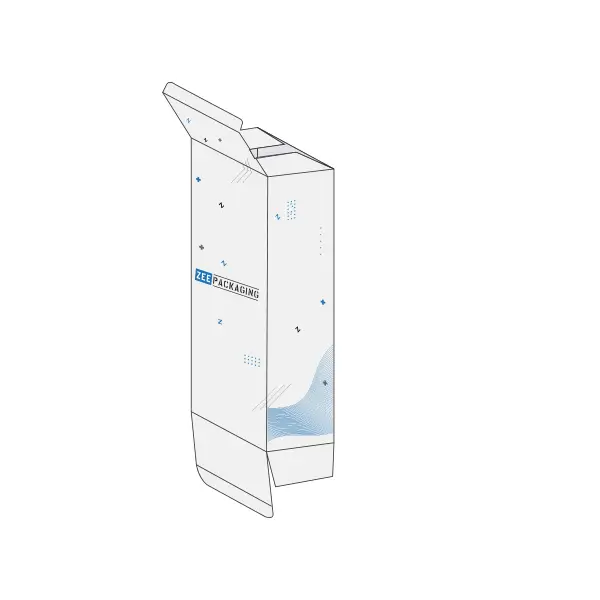
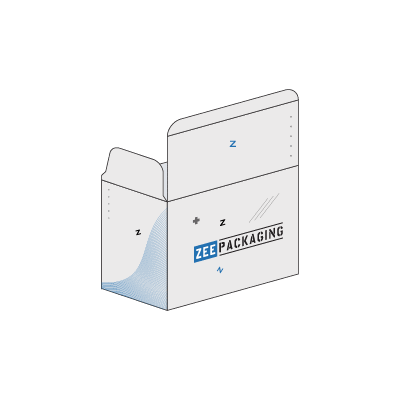
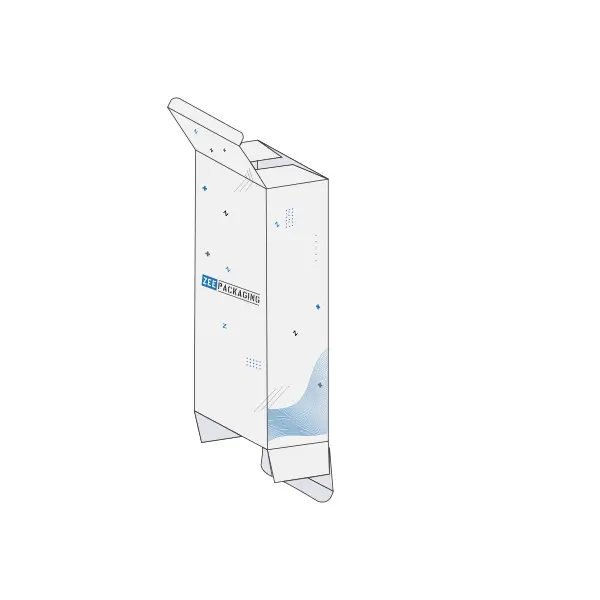
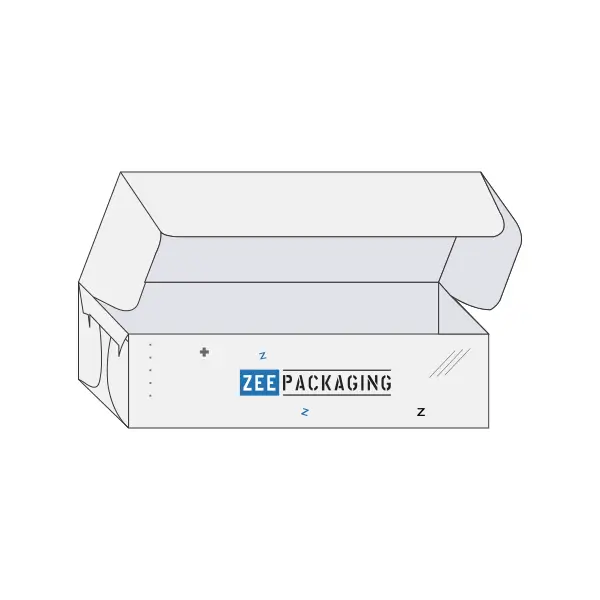
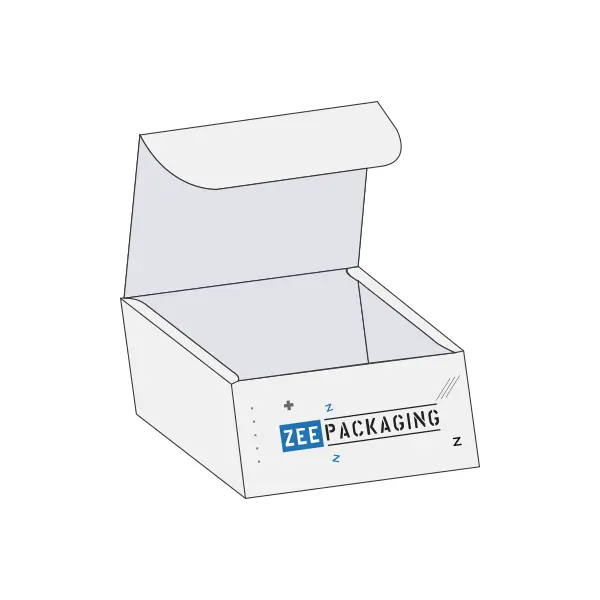
Custom Straight Tuck End Boxes
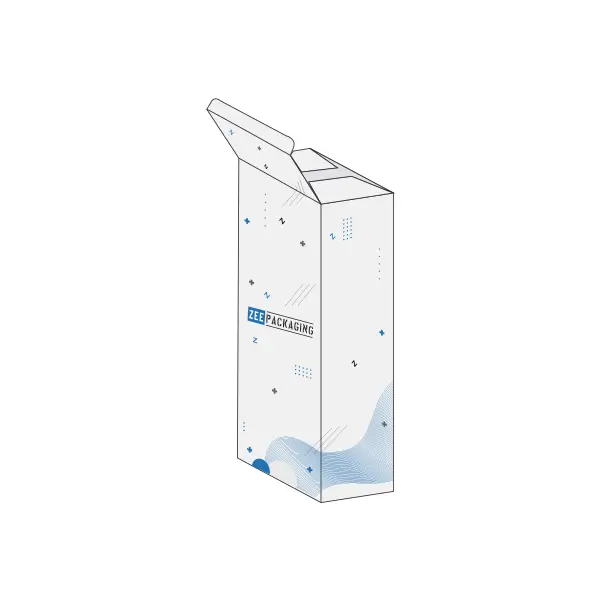
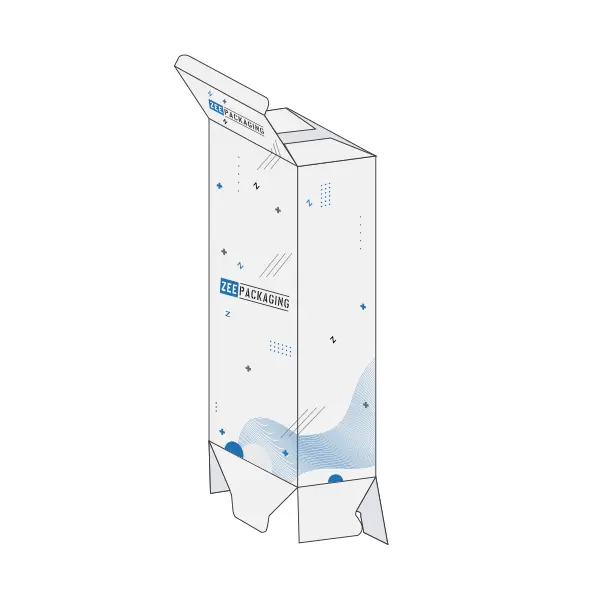
Both flaps opening from the same panel sounds like a trivial difference and it shows up on a shelf. The front face stays clean with no visible flap edge interrupting the artwork. For retail display where the front panel does the selling, that is worth the small extra board. We produce a lot of straight tuck end work at ZEE Packaging and presentation is why clients choose it.
A Clean Front Panel
A straight tuck end keeps the flap edges out of sight.
- Top and bottom flaps both fold from the rear panel
- The front face has no visible flap seam
- Artwork runs uninterrupted across the front
- It looks tidier on a retail shelf
- No glue is needed anywhere on the structure
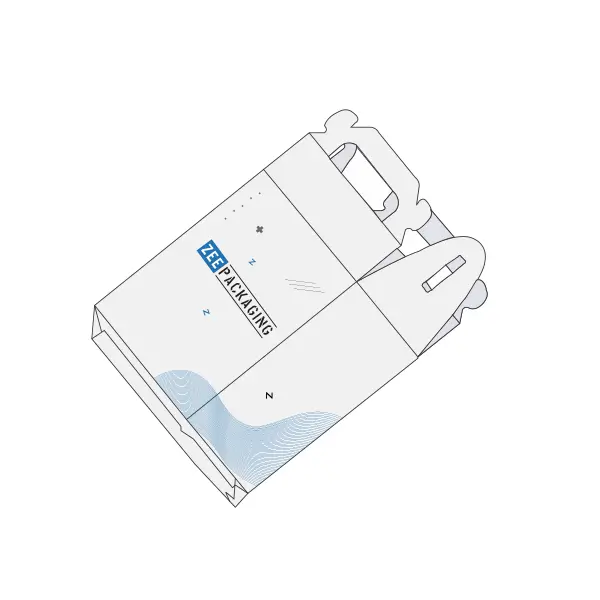
- It ships flat and folds in a couple of seconds
Most brands choosing a straight tuck end care about how the front panel looks on display.
Straight Or Reverse
Two nearly identical formats with a real difference.
- Straight tuck has both flaps folding the same way
- Reverse tuck has them folding opposite ways
- Reverse nests tighter, so it costs slightly less
- Straight gives a cleaner front with no seam
- For shelf display we would suggest straight
- For pure cost efficiency, reverse wins
- Standard straight tuck end the everyday build we run
- With a tongue lock resisting accidental opening
- With a hang tab for peg display
- Window version showing product through a die cut
- With a die cut insert holding contents steady
- Food grade version for direct food contact
Sizes We Print Regular
Every straight tuck end carton is built to your product, though these run often:
- 2" x 2" x 4" for a cosmetic tube
- 3" x 2" x 5" for pharma and blister packs
- 4" x 4" x 6" for a candle or jar
- 6" x 4" x 8" for a food carton
- 8" x 6" x 2" for a flat item
- 2.5" x 1.5" x 3.5" for small goods
Board And Print
- SBS C1S at 16pt to 24pt for most applications
- CCNB and duplex where a grey back is acceptable
- Kraft board for a natural or artisan position
- Matte, gloss and soft touch lamination
- Foil, spot UV, emboss and deboss available
- Food grade certified stock where required
Tuck flaps still pop open under weight. For heavier products we would suggest a tongue lock, or move you to a snap lock or glued base entirely.
Materials Worth Choosing
- Recycled board grades, widely available here
- FSC certified stock, certificate available on request
- Soy based ink through the whole run
- No glue on the closure, so recycling stays simple
- Aqueous coating rather than plastic lamination
- Right sizing so no board is wasted per carton
How An Order Runs With Us
- 100 unit minimum, so a small brand can order properly
- Free 3D mockup and flat proof before anything prints
- Free dieline drawn by our own designer
- Physical sample on request to check the fit and fold
- Urgent turnaround at 5 to 8 business days
- Free shipping worldwide with nothing hidden
Frequently Asked Questions
Why does it cost more than reverse tuck?
The dieline nests slightly less efficiently, so fewer cartons come off each sheet. The difference is small.
How much is a straight tuck end carton?
Rough estimate is $0.14 to $0.48 per unit plain, $0.22 to $0.62 with print and $0.35 to $0.90 with finishing at moderate quantity. Volume moves it. Shipping is included in our price. This is estimate only, so ask our team for a exact quote.
Is the front really cleaner?
Noticeably, since no flap edge interrupts the panel. On a shelf that difference shows more than people expect.
Will the flap pop open?
It can under weight. A tongue lock helps, or we would move you to a glued base for heavier products.
Which caliper should we choose?
16pt to 18pt for most retail. Anything with real weight needs 20pt or above.
Does it ship flat?
Completely, and it folds in a couple of seconds. Storage requirement stays minimal.
Can we add a window?
Yes, patched with PET or compostable film. The clean front makes a window sit particularly well.