Custom Cardboard Inserts
Almost all transit damage comes from one thing. The product moved inside the box. Not a crush or a drop, just an item sliding until something gave. Cardboard inserts stop that, and it costs less than upgrading the whole carton. We produce a lot of cardboard inserts at ZEE Packaging and eliminating movement is the entire job.
Movement Is What Breaks Things
Cardboard inserts hold the product still.
- A loose item slides and knocks against the walls
- Corners take the impact when it eventually lands there
- Rattling tells a customer something is wrong
- Cardboard inserts remove the void rather than filling it
- Nothing shifts, so nothing arrives scuffed
- Loose fill is no longer needed alongside
Most brands ordering cardboard inserts already tried void fill and still had breakages.
Types And What They Suit
Different products need different holds.
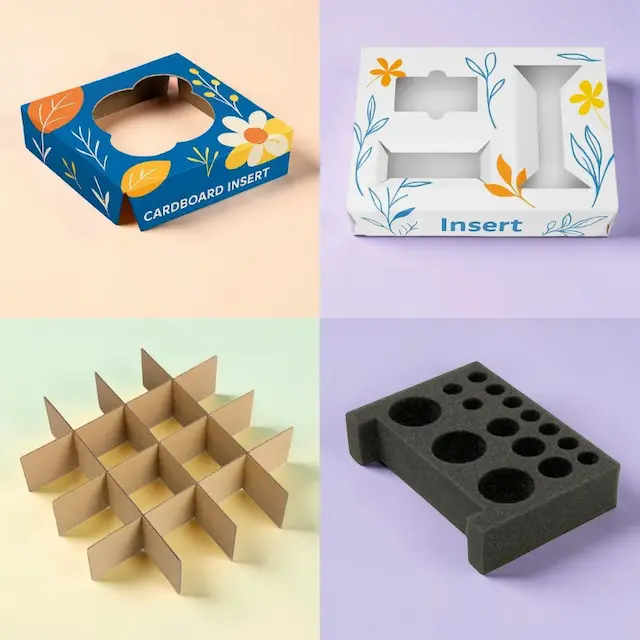
- Die cut cradles, which grip a shaped item
- Platform cardboard inserts, raising a product on opening
- Divider grids, separating several components
- Retainer tabs, gripping at defined points
- Corner protectors, reinforcing vulnerable areas
- Layer pads, separating stacked product
- Die cut cradle our most common cardboard inserts
- Divider grid a cell for every component
- Platform insert presenting the item raised
- Multi tier insert layered contents in one box
- Corner and edge protectors reinforcing weak points
- Layer pads plain cardboard inserts between stacks
Sizes We Print Regular
Every insert is cut to your product, though these run often:
- 6" x 4" for a small carton insert
- 8" x 6" for a standard product
- 10" x 8" for a curated set
- 12" x 9" for a mailer box
- 4" x 4" for a compact format
- Custom shapes cut to any outline
Send us the actual product. Cardboard inserts are cut around a profile, and dimensions rarely capture how something sits.
Board And Construction
- E flute corrugated for lighter products
- B flute where cardboard inserts carry real weight
- Chipboard for thin dividers and layer pads
- 20pt to 24pt for folded retainer inserts
- Coated contact face where a finish is delicate
- Printed inserts where the interior is on show
Board stiffness does the holding. Light cardboard inserts relax within weeks, letting the product work loose again.
A Cleaner Alternative To Foam
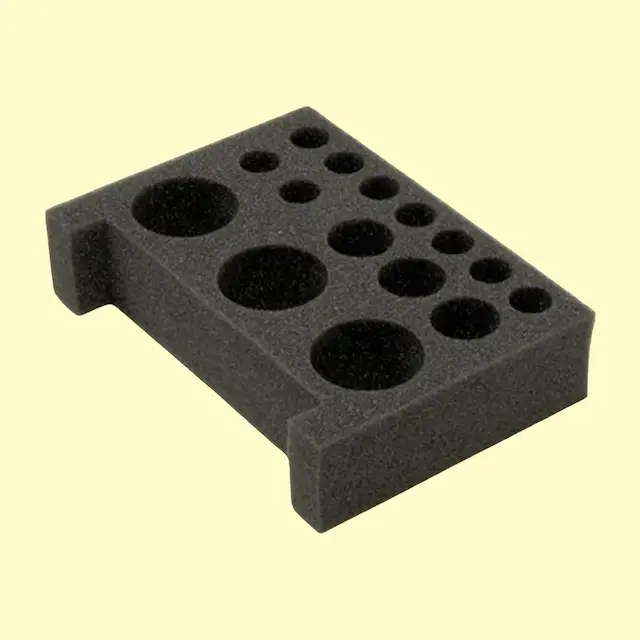
- Cardboard inserts replace foam and plastic trays
- Recycled content across most grades we run
- FSC certified board, certificate on request
- Soy based ink where printing is applied
- Cardboard inserts recycle with the carton itself
- Right sizing so less board is used per unit
Foam is what most clients want rid of. A die cut insert does the same job and recycles with the box.
How An Order Runs With Us
- 100 unit minimum, so a small brand can order
- Free 3D mockup and flat proof before anything prints
- Free dieline drawn by our designer
- Physical sample on request, tested on your product
- Urgent turnaround at 5 to 8 business days
- Free worldwide shipping, nothing hidden
Frequently Asked Questions
How much do paperboard box inserts run?
Rough estimate is $0.08 to $0.25 for a simple divider, $0.20 to $0.60 for a die cut cradle and $0.45 to $1.20 for multi tier at moderate volume. Shipping is included. This is estimate only, so ask us for a exact quote.
Do they really replace foam?
For most products, yes. Cardboard inserts hold as well and remove the plastic entirely.
Will the product be hard to remove?
Not at the right tolerance. Cardboard inserts cut too tight are as much a fault as loose ones.
Which board suits cardboard inserts?
E flute for light items, B flute where weight is involved. Chipboard suits thin dividers.
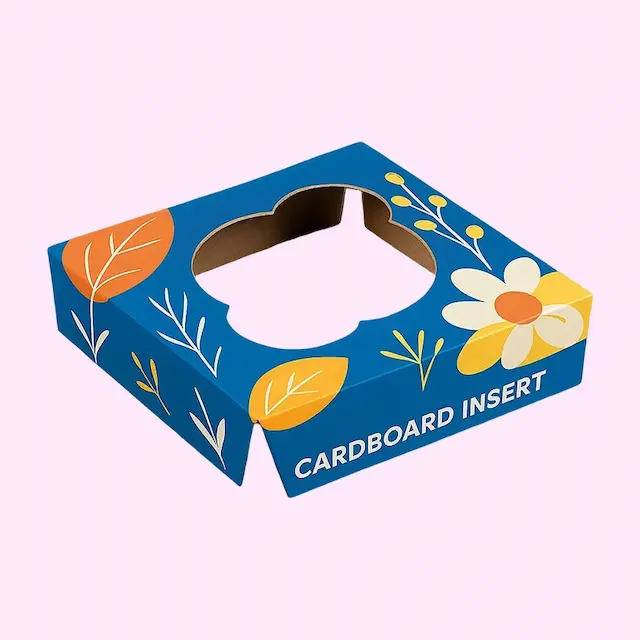
Can cardboard inserts be printed?
Yes, though most are plain. Printing makes sense where the insert shows on opening.
Do we still need void fill?
No, which is part of the saving. With cardboard inserts nothing moves, so nothing needs packing.
Can cardboard inserts hold several items?
Yes, with a divided grid. Send us the full set and we lay out a cell for each.