Custom Game Boxes & Game Packaging
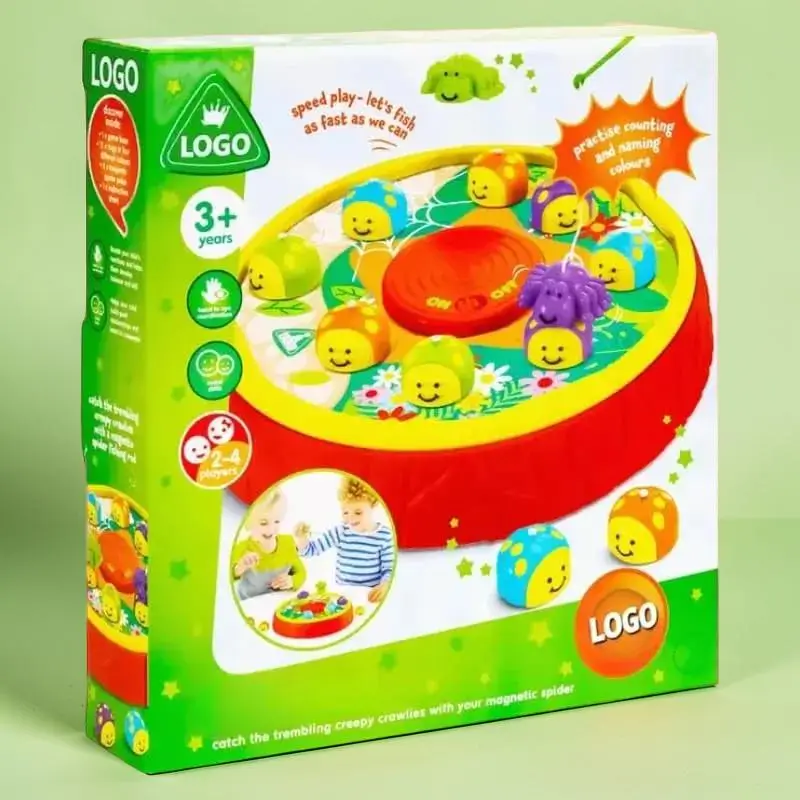
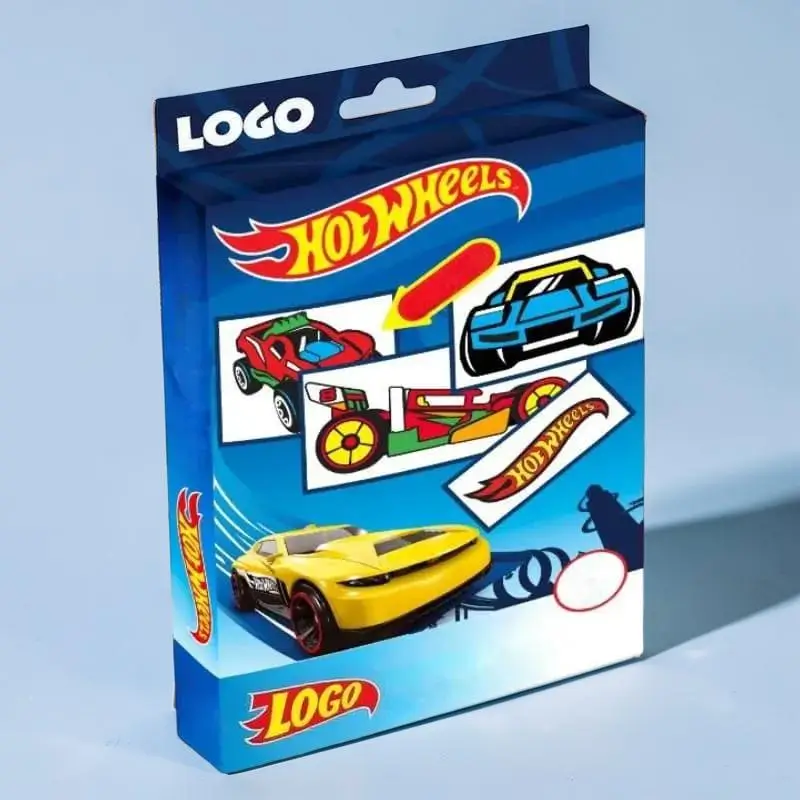
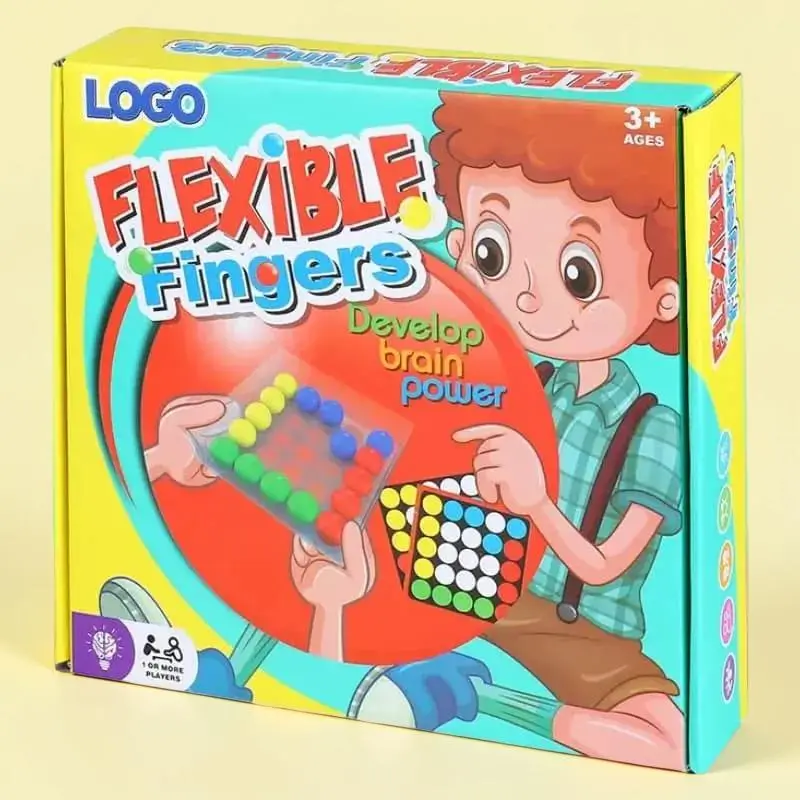
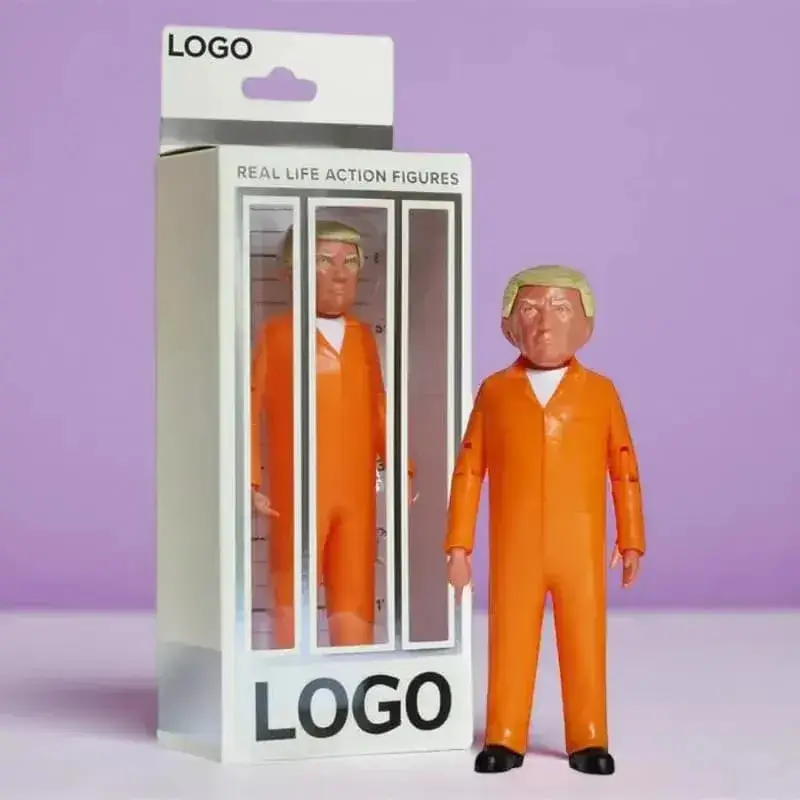
Games cover a lot of ground. A card game in a tiny tuck box, a party game with a hundred components, a puzzle, a dice set, a video game sleeve. What ties them together is that the buyer usually cannot try the product first, so the game packaging has to communicate the whole experience from a shelf. We produce a lot of it at ZEE Packaging and that communication job shapes most of the design.
The Box Has To Explain The Game
A game box sells something intangible, which is unusual.
- Player count and playing time on the front, buyers filter on these first
- Age suitability stated plainly for a parent scanning quickly
- A short line on what the game actually is, not just a title
- Component list on the back, since it signals value
- Cover art that reads at arm's length on a crowded shelf
- Spine printed properly, because most retail shelving displays spine out
Most weak game packaging we get asked to fix hides the player count and time somewhere small.
Component Weight Changes Everything
A loaded box is heavier than clients allow for.
- Card decks, dice and tokens add up fast
- Rigid construction once you pass a certain component count
- A base that flexes will eventually split at the corners
- Deep boxes need extra wall strength, not just a thicker lid
- Miniatures require cradles so nothing snaps in transit
- Send us the filled weight and we spec the game box from that
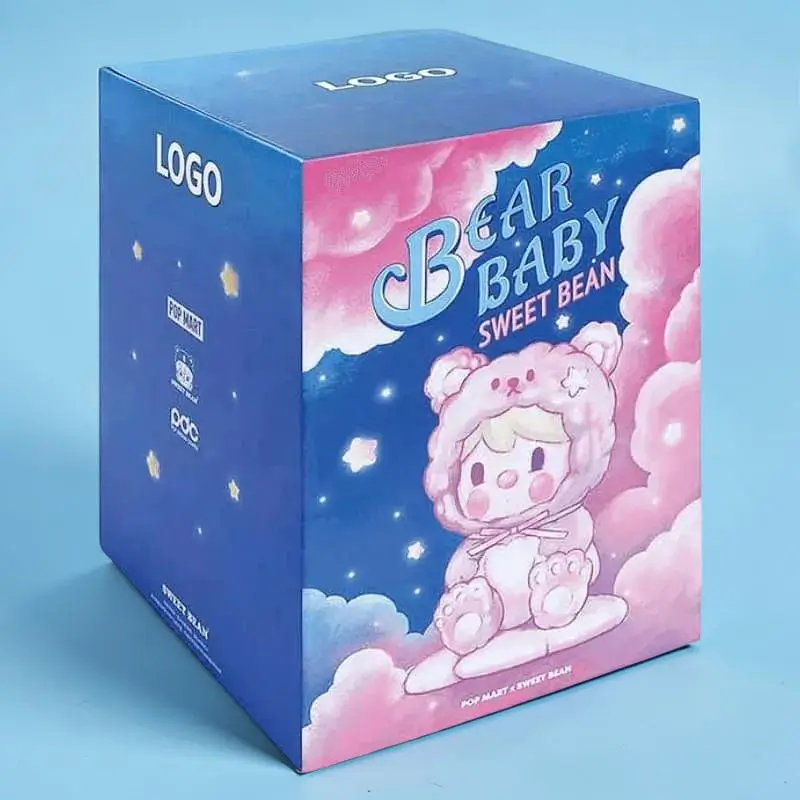
- Rigid lid and base the standard game box for most retail titles
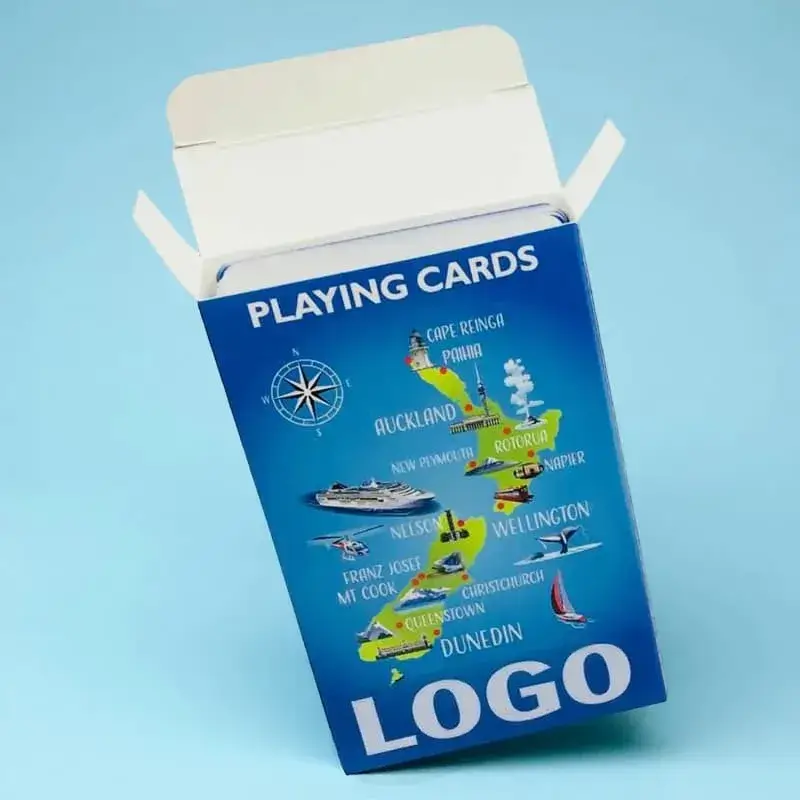
- Tuck end card box compact and low cost game packaging
- Two piece with a lift out tray organised component storage
- Telescoping deep box heavy component games
- Tin sleeve printed board wrapped around a metal tin
- Corrugated shipper outer for direct to customer game packaging
Sizes We Print Regular
Every game box is built to your components, though these run often:
- 11.5" x 11.5" x 2.75" for a standard square title
- 11.75" x 8.75" x 2.5" for a rectangular format
- 3.75" x 2.5" x 1" for a card game tuck box
- 8" x 8" x 2" for a small format game
- 12" x 12" x 4" for a heavy component title
- 6" x 4" x 1.5" for a dice or travel game
Measure your largest component first, usually the folded board or the card deck, since that sets the footprint.
Board And Finish
- Rigid greyboard 36pt or 48pt with a litho printed wrap
- SBS C1S at 20pt to 24pt for tuck end card formats
- Matte lamination, which handles shelf scuffing better than gloss
- Spot UV or foil on the cover for retail standout
- Coated inner face so cards do not mark against bare board
- Corrugated E flute or B flute for the shipping outer
Materials That Waste Less
- Recycled greyboard core under a printed wrap
- FSC certified stock, certificate available on request
- Soy based ink through the whole run
- Moulded pulp or paperboard insert instead of a plastic vacuum tray
- A seal sticker rather than shrink wrap
- Right sized game packaging so you are not shipping air
How A Project Runs With Us
- 100 unit minimum, which suits a crowdfunded or first print run
- Free 3D mockup and flat proof before anything prints
- Free dieline drawn by our own designer
- Physical sample on request to check the lid fit and insert
- Urgent turnaround at 5 to 8 business days
- Free shipping worldwide with nothing hidden
Frequently Asked Questions
Rigid or a tuck end box?
Tuck end for a card only title where cost matters. Rigid once you have a board, tokens or miniatures, because a folding carton will not survive repeated play.
Do you print the spine?
Always, and we treat it as a priority. Most retail shelving displays games spine out, so that narrow panel does more selling than the cover does.
How much is a game box?
Rough estimate is $0.30 to $0.85 per unit for a tuck end card format, $1.60 to $3.80 for a rigid two piece and $2.60 to $6.00 with a moulded insert at moderate quantity. Component count and insert type move it most. Shipping is included in our price. This is estimate only, so ask our team for a exact quote.
Can you fit sleeved cards?
Yes, tell us upfront. Sleeved decks need noticeably deeper wells and a box that will not close afterwards is a real frustration for players.
Do you handle miniatures?
We do, with die cut or moulded cradles. Loose miniatures snap in transit, so the insert matters more than the outer board there.
Matte or gloss lamination?
Matte, in most cases. Gloss picks up fingerprints and scuffs, and these boxes get handled constantly in a shop.
Is a shipper necessary for online sales?
Yes. A rigid lid scuffs at the corners in a courier network, so we put it inside a plain corrugated outer.