Custom Packaging Inserts
The box gets the attention and the insert does the work. Packaging inserts decide whether a product arrives intact, whether it rattles, and what somebody sees on lifting a lid. Clients think about them last and regret it first. We produce a lot of packaging inserts at ZEE Packaging and damage rates are won here.
Protection And Presentation Together
Packaging inserts do two jobs at the same time.
- Packaging inserts remove movement, which causes damage
- The product presents where it was packed
- Rattling stops, which customers notice immediately
- Components stay separated, not knocking together
- Packaging inserts make an unboxing feel deliberate
- Void fill becomes unnecessary, saving cost
Most brands order packaging inserts after damage claims made the carton look like the problem.
Choosing The Right Material
Four options and a clear order of use.
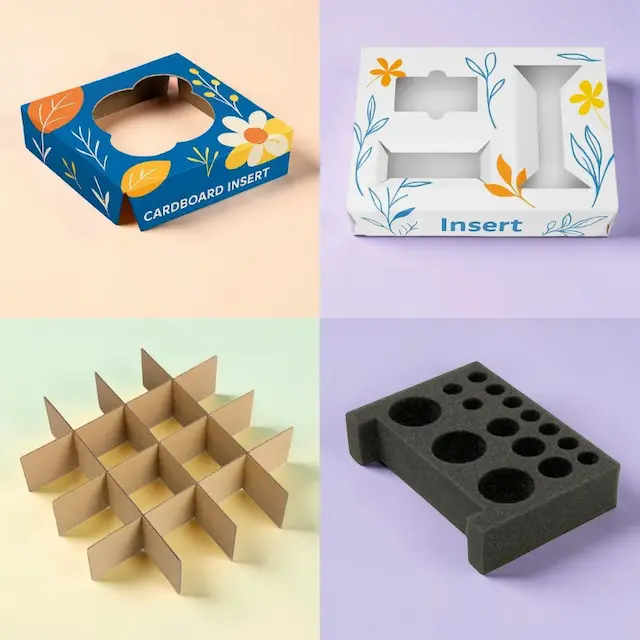
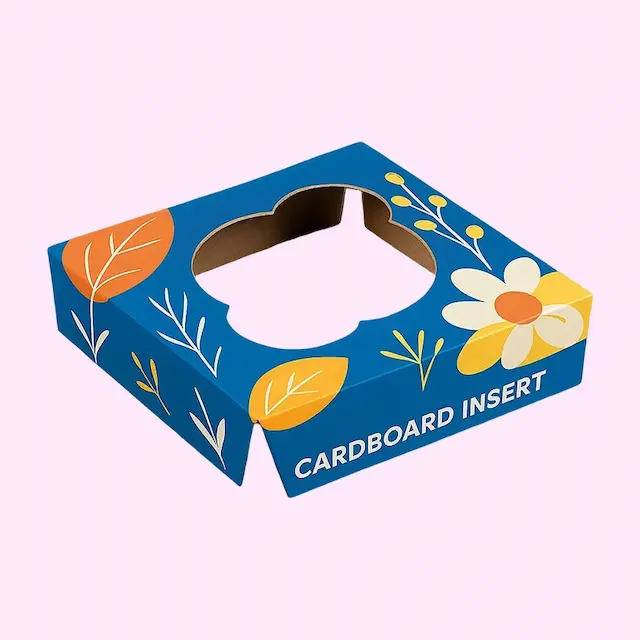
- Die cut board packaging inserts for rigid products
- Molded pulp for heavier or irregular shapes
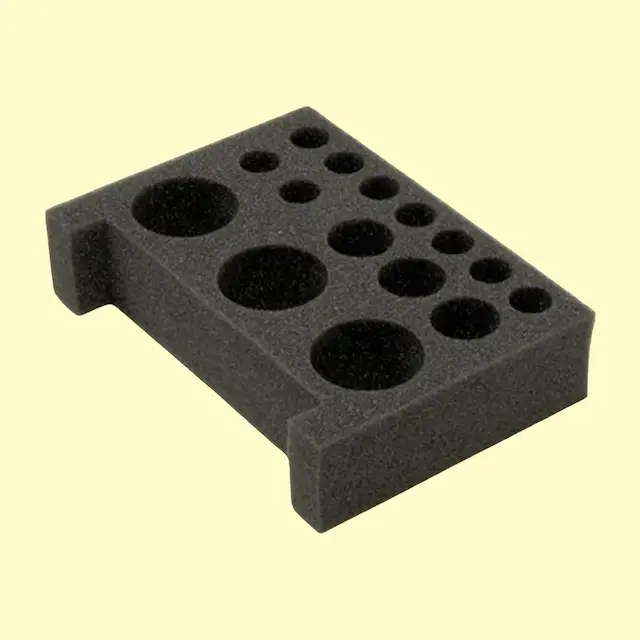
- Foam where genuine shock absorption is needed
- Chipboard for thin dividers and layer pads
- Fabric wrapped board at the gifting end
- Tell us the product and we advise honestly
- Die cut cradle the most common packaging inserts we make
- Divider grid a cell for every component
- Platform packaging inserts raising the product
- Multi tier packaging inserts layered contents
- Molded pulp tray for weight and odd outlines
- Foam cavity for fragile or precision items
Sizes We Print Regular
Every insert is cut to your product, though these run often:
- 6" x 4" for a small carton
- 8" x 6" for a standard product
- 10" x 8" for a curated set
- 12" x 9" for a mailer box
- 4" x 4" for a compact format
- Custom shapes cut to any outline
Send us the product itself. Packaging inserts are cut around a profile, and dimensions rarely capture how it sits.
Material And Fit
- E flute corrugated for lighter products
- B flute where packaging inserts carry weight
- 20pt to 24pt for folded retainer designs
- Molded pulp where board cannot hold the shape
- Coated contact face where a finish is delicate
- Printed packaging inserts where the interior shows
Tolerance is what we sample. Tight packaging inserts are a struggle to unload, loose ones let the product shift.
Cutting The Plastic Out
- Board and pulp packaging inserts replace foam entirely
- Recycled content across most grades we run
- FSC certified board, certificate on request
- Soy based ink where printing is applied
- They recycle with the carton, not separately
- Right sizing so less material is used
Foam is what most clients want rid of. Without real cushioning needs, board packaging inserts do the same job and recycle with the box.
How An Order Runs With Us
- 100 unit minimum, so a small brand can order
- Free 3D mockup and proof before printing
- Free dieline drawn by our designer
- Physical sample on request, tested on your product
- Urgent turnaround at 5 to 8 business days
- Free worldwide shipping, nothing hidden
Frequently Asked Questions
How much do box inserts run?
Rough estimate is $0.08 to $0.25 for a simple divider, $0.20 to $0.60 for a die cut cradle and $0.45 to $1.20 for molded pulp at moderate volume. Shipping is included. This is estimate only, so ask us for a exact quote.
Do packaging inserts replace void fill?
Entirely, in most cases. Nothing moves, so there is nothing left to pack around.
Board, pulp or foam?
Board for rigid items, pulp for weight and odd shapes, foam only where cushioning is needed.
Will the product be hard to lift out?
Not at the right tolerance. Inserts cut too tight are as much a fault as loose ones.
Can packaging inserts hold several components?
Yes, with a divided grid. Send the full set and we lay out a cell for each.
Should packaging inserts be printed?
Only where they show. Most sit hidden, so printing is money better spent elsewhere.
Will packaging inserts pass a drop test?
Board often will. For genuinely fragile goods we would move you to foam.