

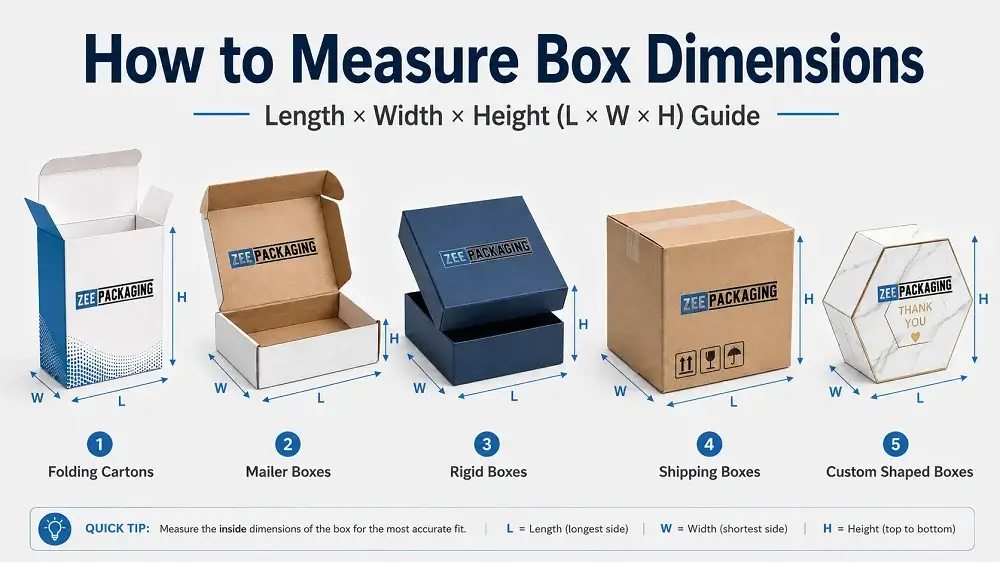
How to Measure Your Box: A Complete Box Measurement (L × W × H) Guide by ZEE Packaging
Getting your box dimensions right is the first real step in any custom packaging project. Here at ZEE Packaging we receive hundreds of quote requests every month, and honestly speaking, the most common delay which we see does not come from artwork or material choice; it comes from incorrect or unclear box measurements only. One half inch mistake on your box, it can result into a product which rattles inside, a lid which will not close, or a shipping carton which costs more than what it should. So we have put together this guide, so that we can walk you through the process properly.
Understanding Length × Width × Height/Depth
Length × Width × Height/Depth, in short written as L × W × H/D, is the standard way for describing the three-dimensional size of an object. These three numbers show how much space something occupies in three directions.
Length (L) is generally the longest horizontal dimension, measured end to end. Width (W) is the horizontal measurement from side to side, which runs perpendicular to the length. Height (H) is the vertical measurement from bottom to top.
Depth (D) is the same thing only as height; both the terms describe the exact same measurement. In the standard Length × Width × Height format, the third number is the vertical measurement from bottom to top, and many people write it as Depth (D) instead. You will see it in furniture listings, appliance specifications, storage units, shelving, and other product dimensions where Length × Width × Depth is used in place of Length × Width × Height. Neither term is wrong; it is simply a matter of preference and industry practice only. The word "depth" appears more often for items which sit flatter than what stand tall, or for anything which is measured inward, such as a cabinet or drawer. In packaging also, the same rule applies. In case you receive a quote written as Length × Width × Depth for your boxes, kindly do not get confused. It still refers to the same third dimension, and at ZEE Packaging, we accept either of the term as long as the order remains the same.
Dimensions are normally written in the same order itself. For example, 10" × 6" × 4" means that the item is 10 inches long, 6 inches wide, and 4 inches high. Keeping the order consistent matters alot, because rearranging the numbers describes a completely different orientation or size. The same system works with inches, centimeters, millimeters, or feet, depending on what you measure.
The same L × W × H format is used for box dimensions also. On most of the boxes, the length and width describe the base or opening, while the height is the distance from bottom to top. The exact way in which each dimension is identified, it can vary depending on the box style and construction, as explained below.
Product Dimensions Guide by Shape
Before you determine the size of a box, first you need to measure your product correctly. Different shapes are measured in different ways:
- Rectangular and square products use Length × Width × Height.
- Flat products use Length × Width, with the thickness added whenever it is necessary.
- Round or cylindrical products use Diameter × Height.
- Spherical products are measured by Diameter only.
- Oval products use Length × Width × Height at their longest and widest points.
- Conical products use Diameter × Height, sometimes with both top and bottom diameters.
- Triangular and other geometric products use their maximum Length × Width × Height.
- Irregularly shaped products are measured at their longest, widest, and highest overall points.
Dimensions for boxes also are written as L × W × H, but the correct way of identifying each measurement, it depends on the box style.
How to Measure Box Dimensions Correctly
Accurate box measurements matter for the product fit, production, shipping calculations, and also for obtaining an accurate quotation from us. Box dimensions are written in the order Length × Width × Height. You should always confirm whether you provide inside or outside dimensions, because the two are not the same once the material thickness is considered.
Tools You Need
For most of the boxes, you need few simple tools only:
- Ruler for small folding cartons and light weight boxes
- Measuring tape for larger corrugated, shipping, and rigid boxes
- Caliper in case exact measurements or board thicknesses are required
- Straightedge for checking the measurements across flat surfaces
Kindly place the box on a flat surface and measure in a straight line only, without following the folds, curves, or angled panels. This one simple habit prevents most of the inaccurate measurements which we receive.
Length, Width, and Height/Depth on a Standard Box
On a typical rectangular box, first begin by identifying the main opening or base. The length is generally the longer side, the width is the shorter side which runs perpendicular to it, and the height runs from bottom to top.
Example: 12" L × 8" W × 4" H/D means the box is 12 inches long, 8 inches wide, and 4 inches high.
Some specialty box styles use slightly different reference points, so you should confirm the correct measuring method for that particular structure.
Inner Box Dimensions
Inner dimensions, sometimes these are called internal dimensions, represent the usable space inside the box. These measurements matter when your box has to fit a specific product, insert, bottle, or jar. Measure from one inside wall to the opposite inside wall for the length and width, and from the inside bottom to the inside top for the height.
Outer Box Dimensions
Outer dimensions represent the complete external size of the finished box, including the thickness of the paperboard, corrugated board, or rigid board. Outer box dimensions are used for shipping, storage, pallet planning, and also for calculating how much space the finished package occupies.
Which Dimensions Should You Send Us?
For a custom box quotation, we prefer finished internal box dimensions in L × W × H, because they show the usable space which is available for your product. Kindly state clearly that the measurements are inside dimensions.
Example: Box Size: 10" L × 6" W × 3" H, Inside Dimensions
In case you have only the outside measurements of an existing box, then tell us that the same are outer dimensions. Never assume that inside and outside measurements are interchangeable. On corrugated and rigid boxes, the board thickness change the final size noticeably.
The table below covers the different box types which we produce and their standard measurement methods. It will help you to quickly determine how Length × Width × Height (L × W × H) should be measured for your particular box style. Just find your box style in the list and follow the method given there, it makes the entire process much simpler.
# | Unique Measurement Method | How to Measure | Box Types Covered |
|---|---|---|---|
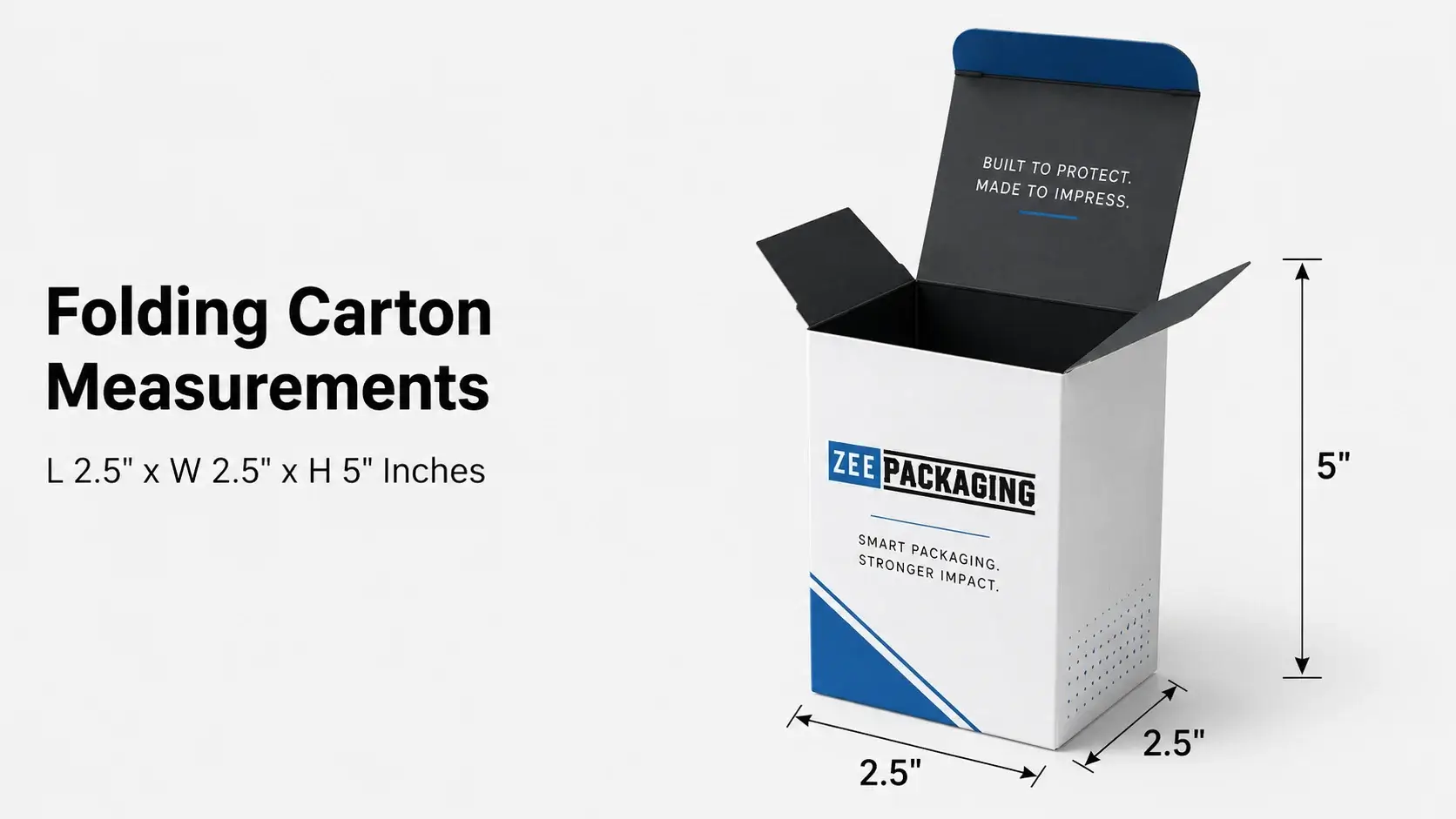
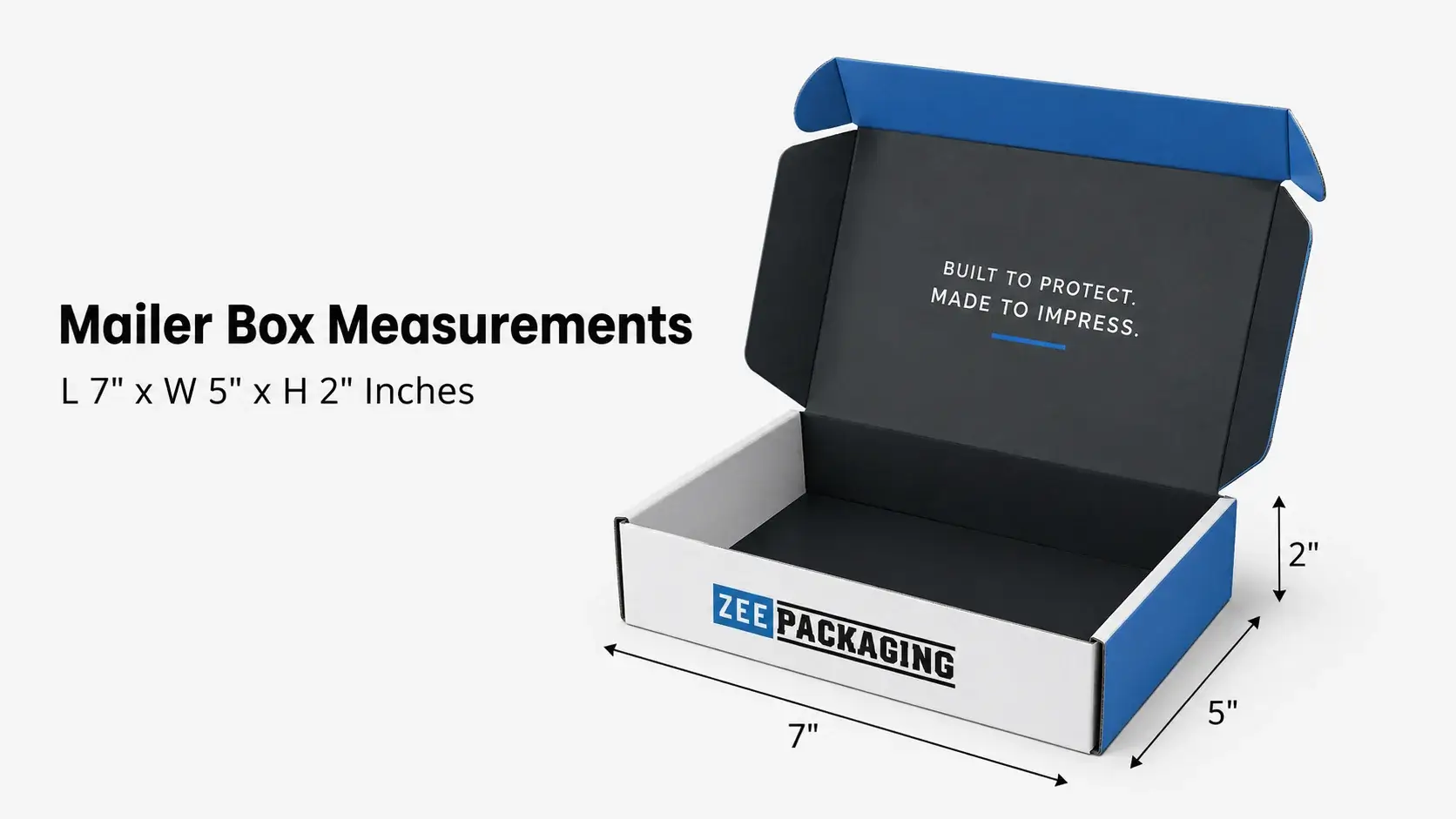
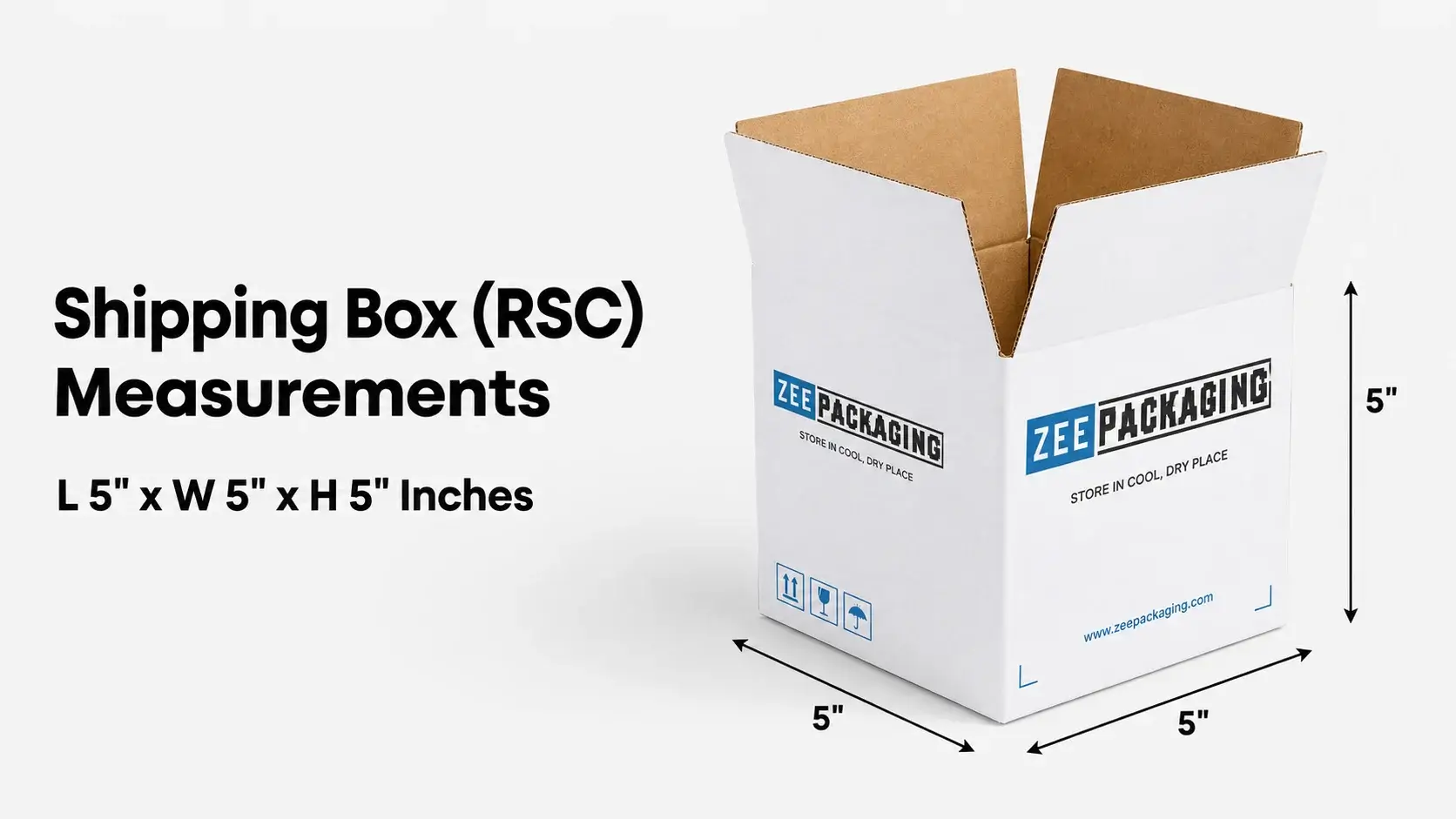
1 | Standard Rectangular Box | L × W × H/D | RTE, STE, tuck-end, auto-bottom, snap-lock, crash-bottom, seal-end, mailers, RSC shipping boxes, most folding cartons, shoe boxes, cake boxes, cosmetic boxes, cereal boxes, etc. |
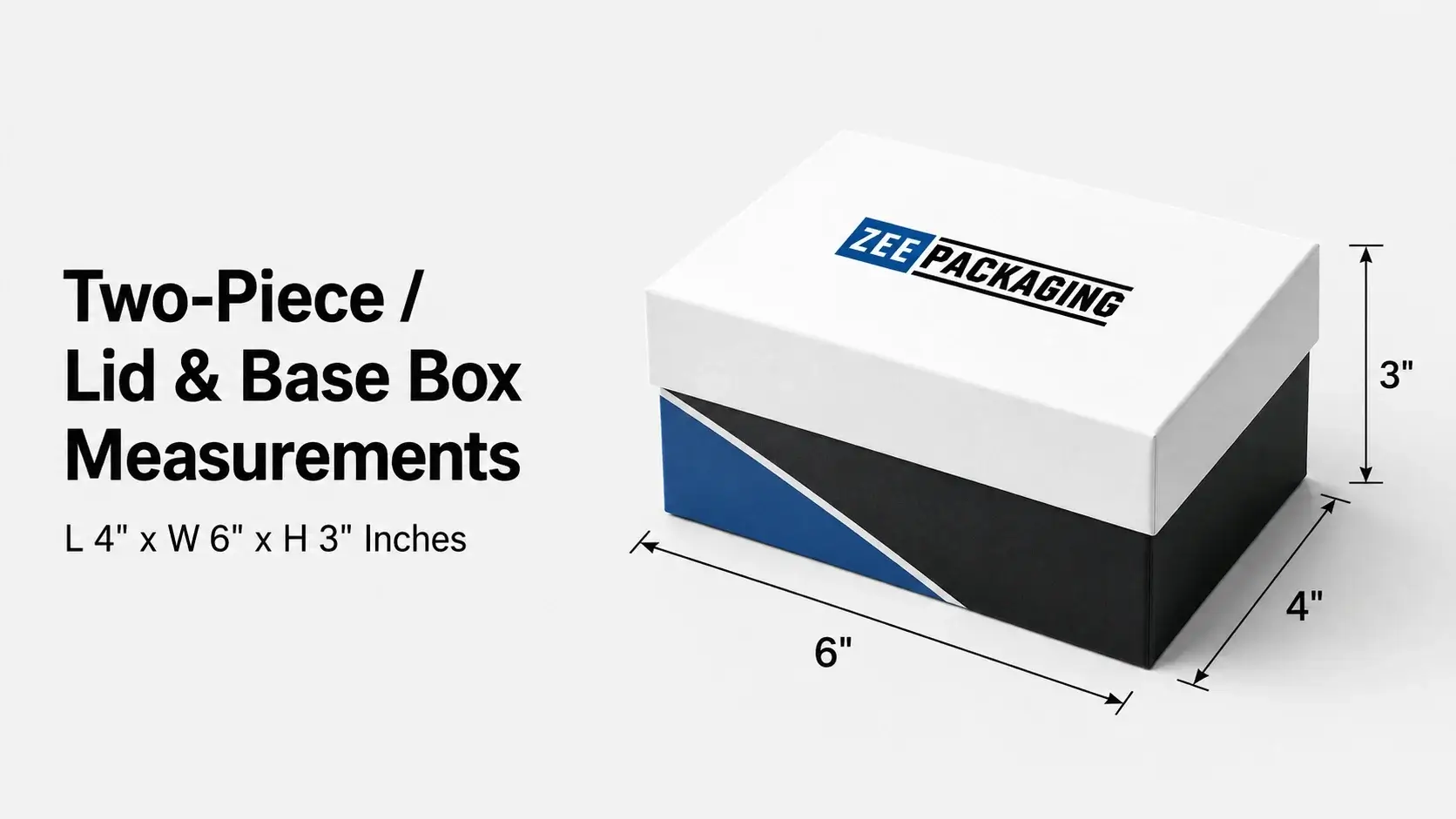
2 | Two-Piece / Lid & Base Box | Base L × W × H + Lid Height | Two-piece rigid boxes, setup boxes, gift boxes, apparel boxes, chocolate boxes, rigid lid-and-base boxes |
3 | Telescoping Box | L × W × Base H + Lid H / Overlap | Full telescope boxes, partial telescope boxes, corrugated telescope boxes, rigid telescope boxes |
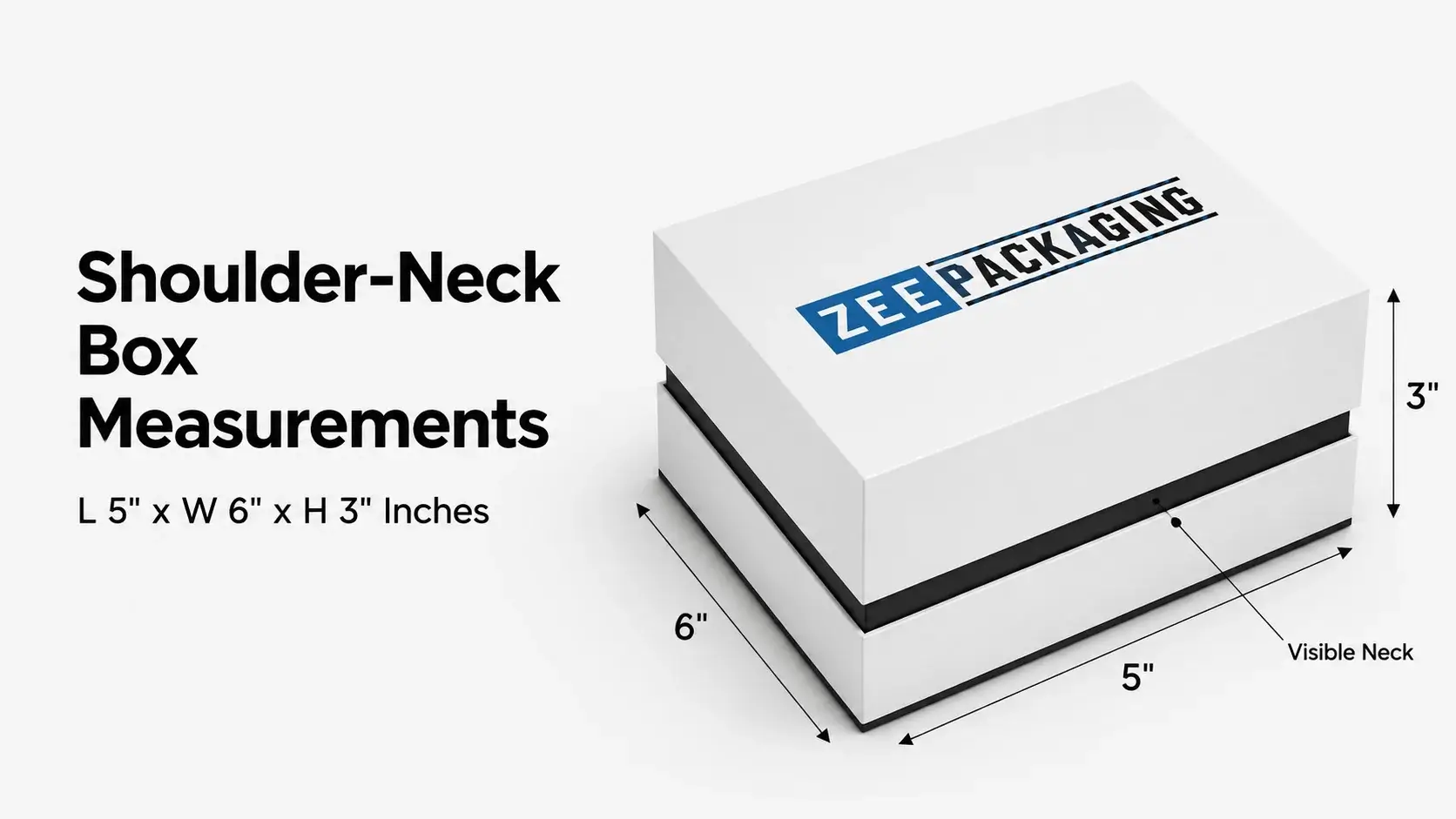
4 | Shoulder-Neck Box | L × W × H + Neck Height + Neck Reveal | Shoulder-neck rigid boxes, perfume boxes, jewelry boxes, luxury cosmetic boxes |
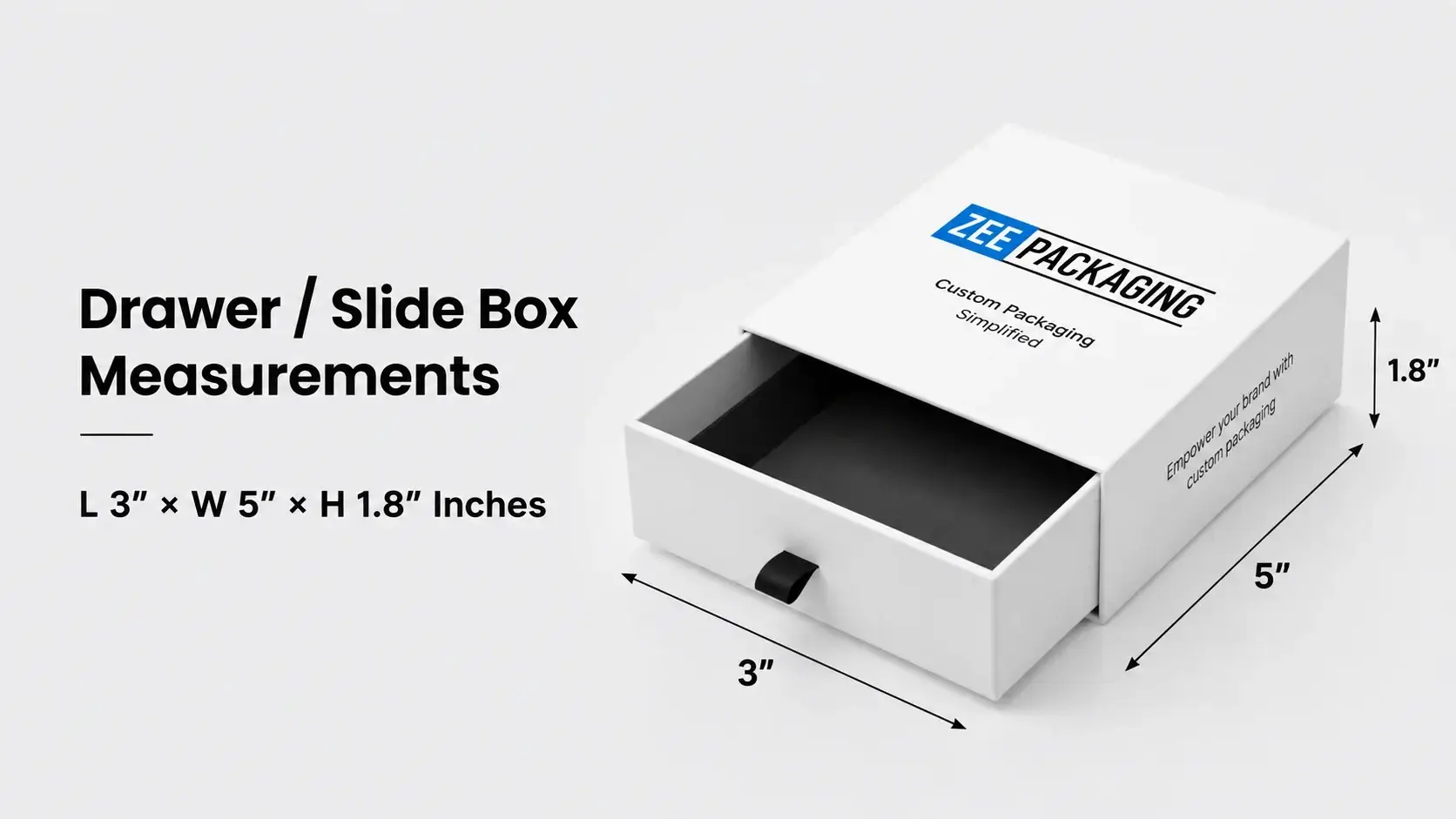
5 | Drawer / Slide Box | Inner Drawer L × W × H + Sleeve Dimensions | Drawer boxes, match boxes, slide boxes, ribbon-pull boxes, rigid drawer boxes |
6 | Sleeve + Tray Box | Tray L × W × H + Sleeve dimensions | Paperboard sleeve boxes, rigid sleeve boxes, food sleeves, product sleeves |
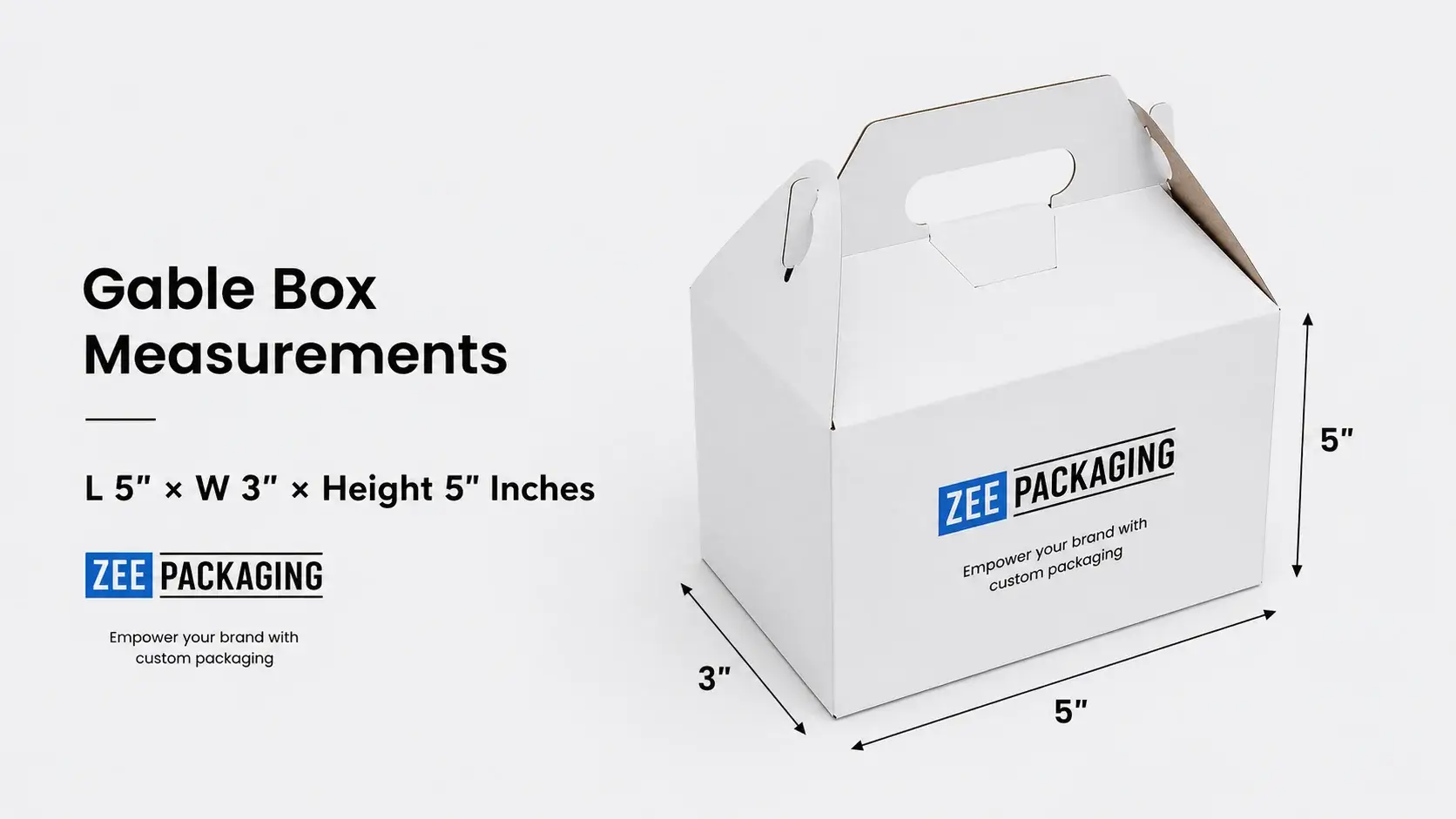
7 | Gable / Handle Box | L × W × Body H + Gable/Handle H | Gable boxes, carry boxes, handled cartons, food gable boxes |
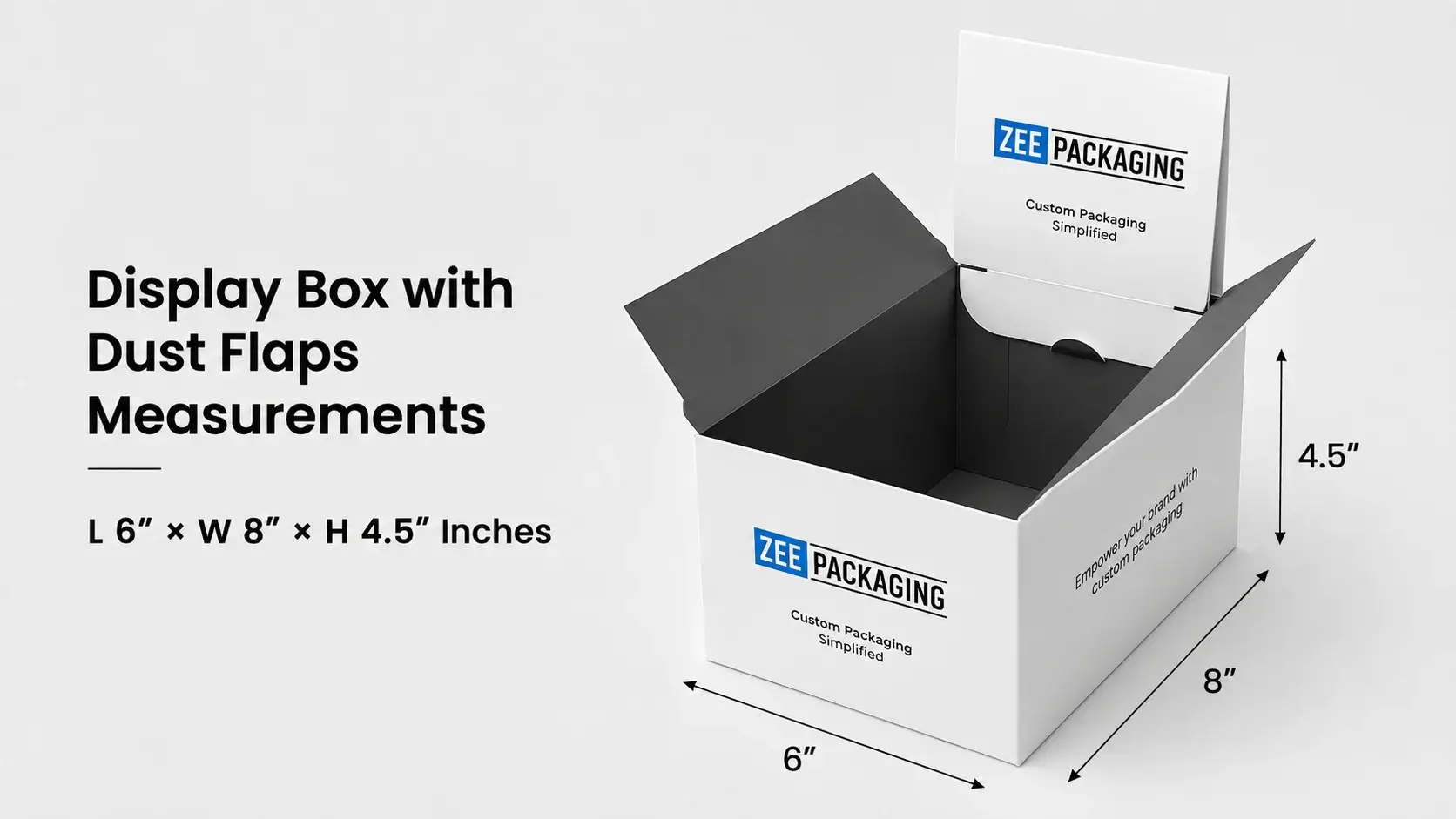
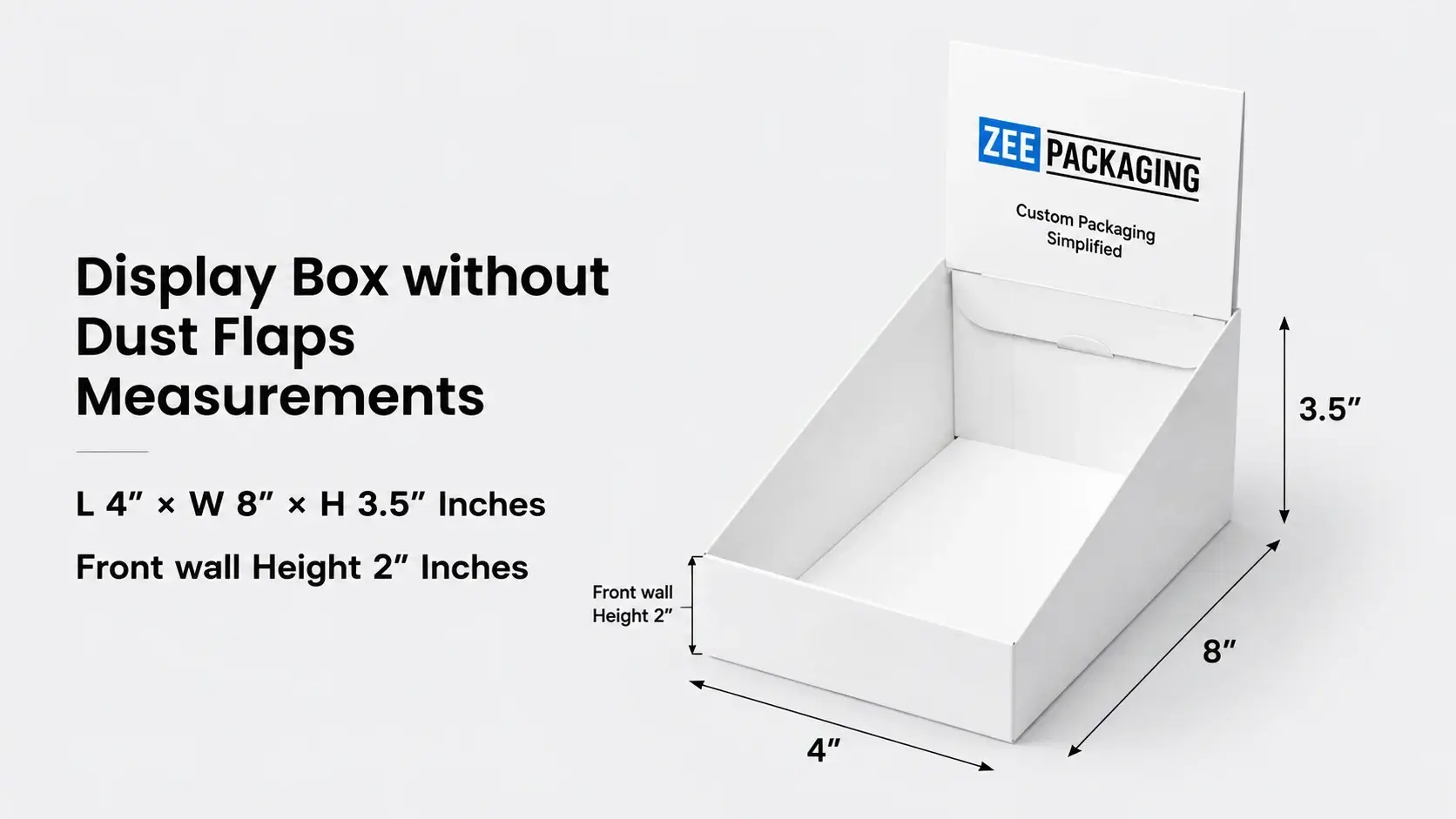
8 | Display Box | W/L × D × Front H × Back H | Counter displays, PDQ displays, countertop displays, display trays with header/back panel |
9 | Floor Display | Overall W × D × H + Shelf/Header dimensions | FSDUs, floor displays, display towers, retail stands, dump bins, shelf displays |
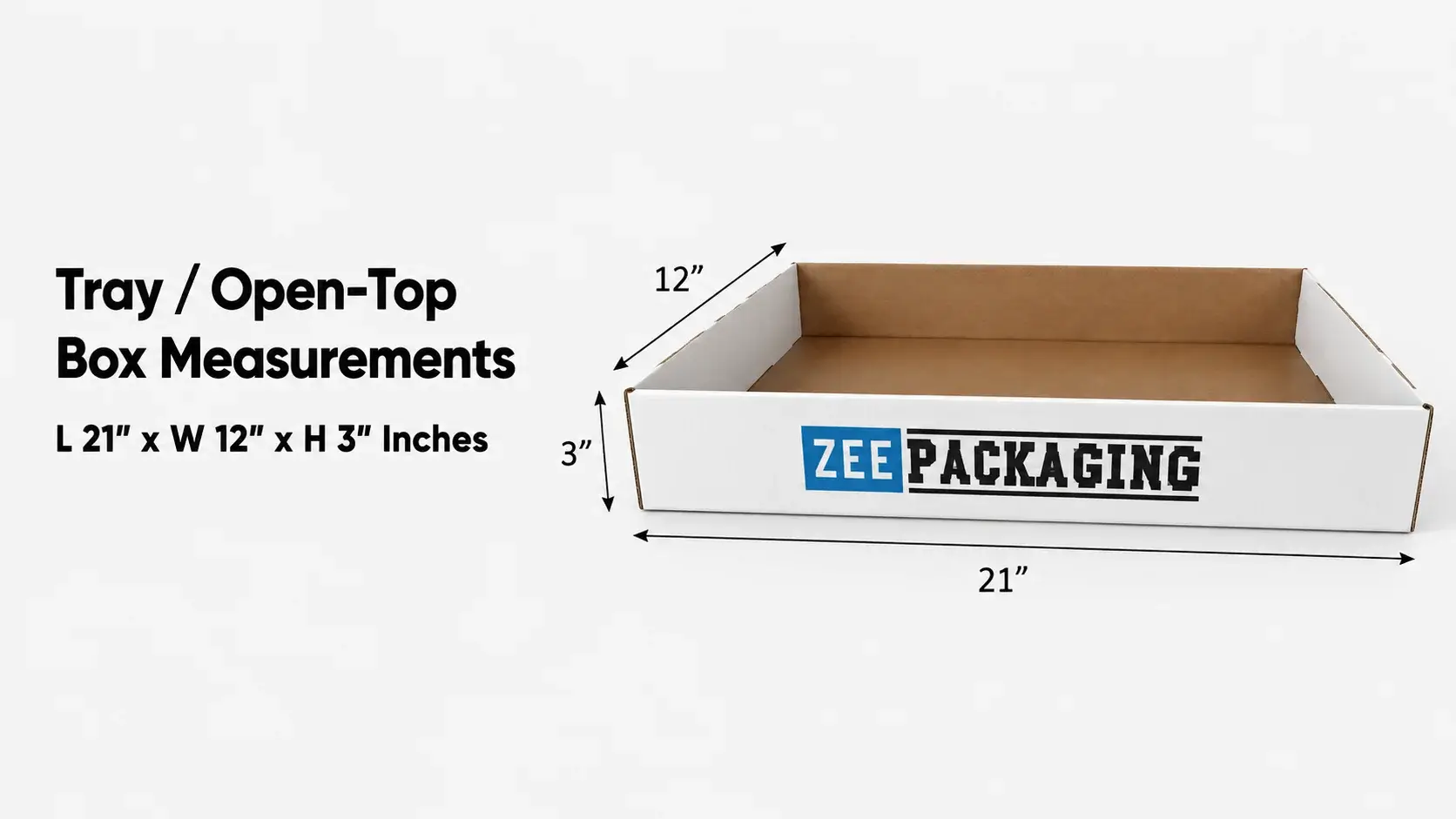
10 | Tray / Open-Top Box | Inside L × W × Wall H | Four-corner trays, lock-corner trays, bakery trays, food trays, display trays |
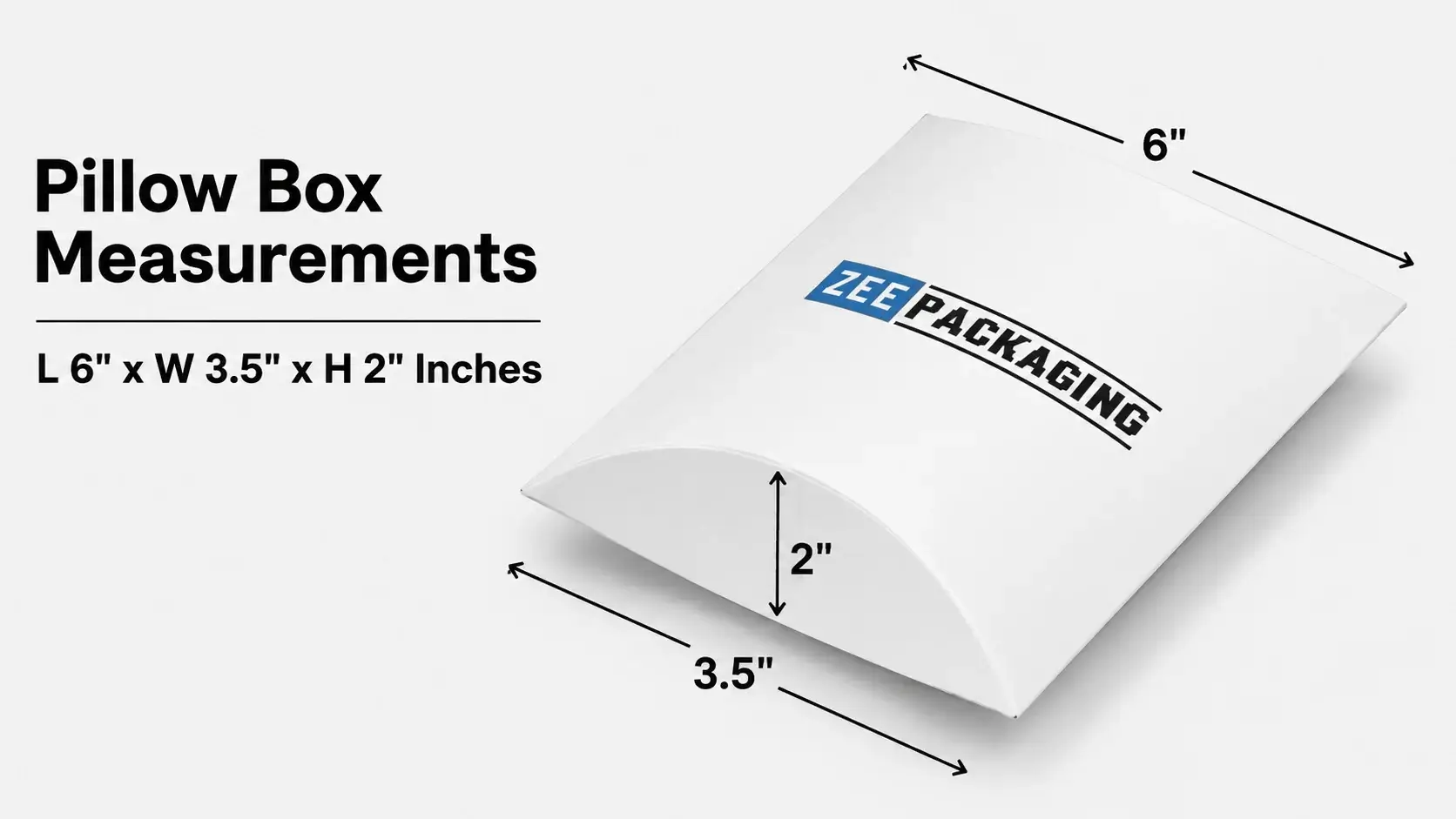
11 | Pillow Box | Length × Width × Maximum Center Depth | Pillow boxes, curved pillow cartons, pillow gift boxes |
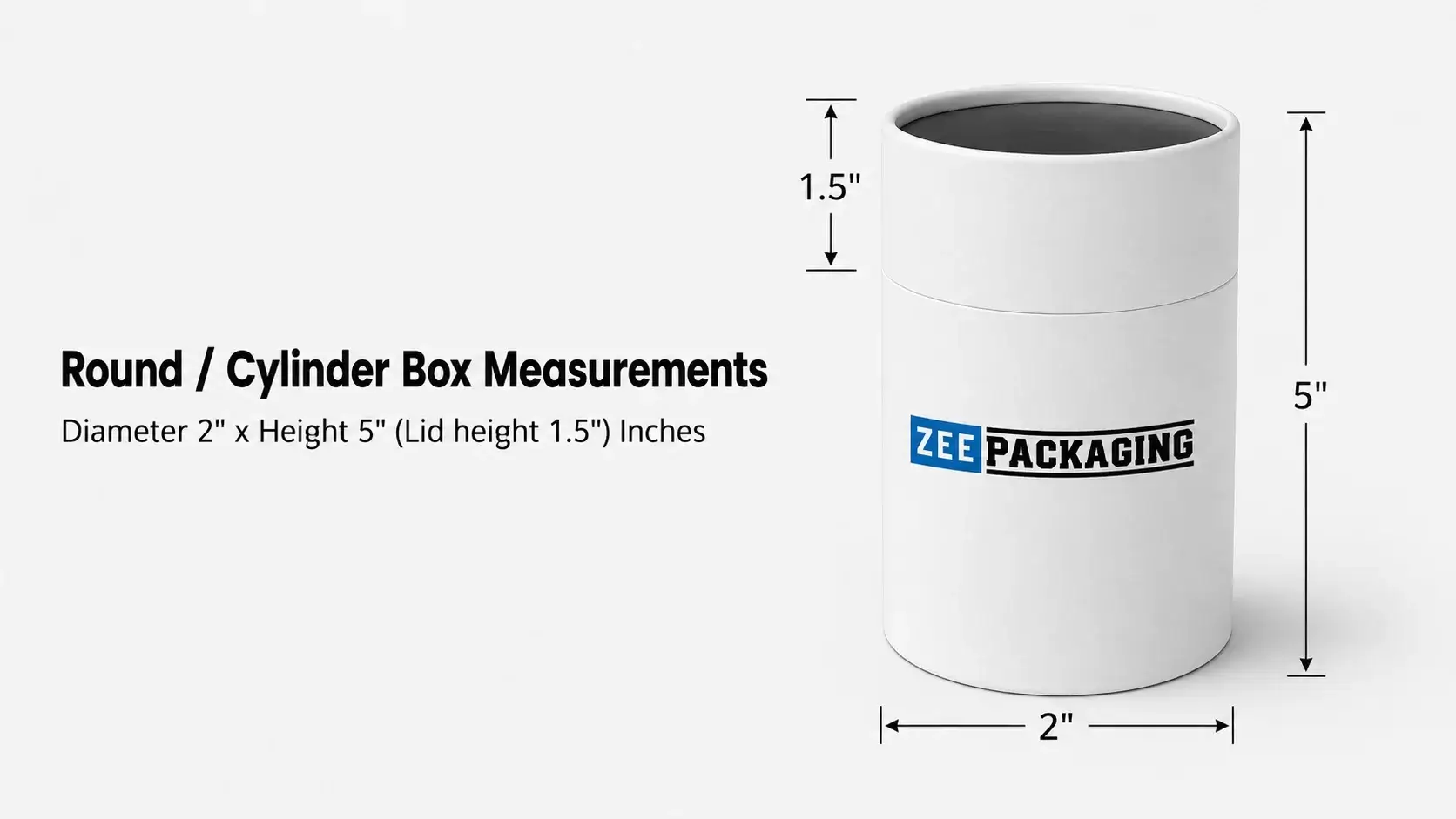
12 | Round / Cylinder Box | Diameter × Height | Paper tubes, round rigid boxes, cylinder boxes, poster tubes, round gift boxes |
13 | Conical / Tapered Round Box | Top Diameter × Bottom Diameter × Height | Cone packaging, tapered tubes, round flower boxes with taper, specialty cylindrical packaging |
14 | Hexagon / Polygon Box | Across Flats or Side Length × Height | Hexagon boxes, octagon boxes, polygon gift boxes |
15 | Triangle / Prism Box | Triangle Base Width × Triangle Height × Length | Triangular boxes, prism boxes, Toblerone-style cartons, triangular tubes |
16 | Pyramid Box | Base L × Base W × Vertical H | Pyramid gift boxes, pyramid favor boxes, specialty cartons |
17 | Tapered / Trapezoid Box | Top L × Top W × Bottom L × Bottom W × H | Tapered cartons, flower boxes, popcorn boxes, food containers, trapezoid packaging |
18 | Window Box | Box L × W × H + Window W × H + Window Position | Window cartons, bakery window boxes, gift window boxes, toy window boxes |
19 | Dispenser Box | L × W × H + Dispensing Opening dimensions | Tissue boxes, product dispensers, gravity-feed cartons, candy dispensers |
20 | Hang-Tab Box | L × W × Body H + Hang Tab H + Slot Position | Five-panel hanger boxes, retail hanger boxes, peg-hook cartons |
21 | Clamshell / Hinged Box | L × W × Bottom Depth + Lid Depth | Rigid clamshell boxes, presentation boxes, hinged gift boxes |
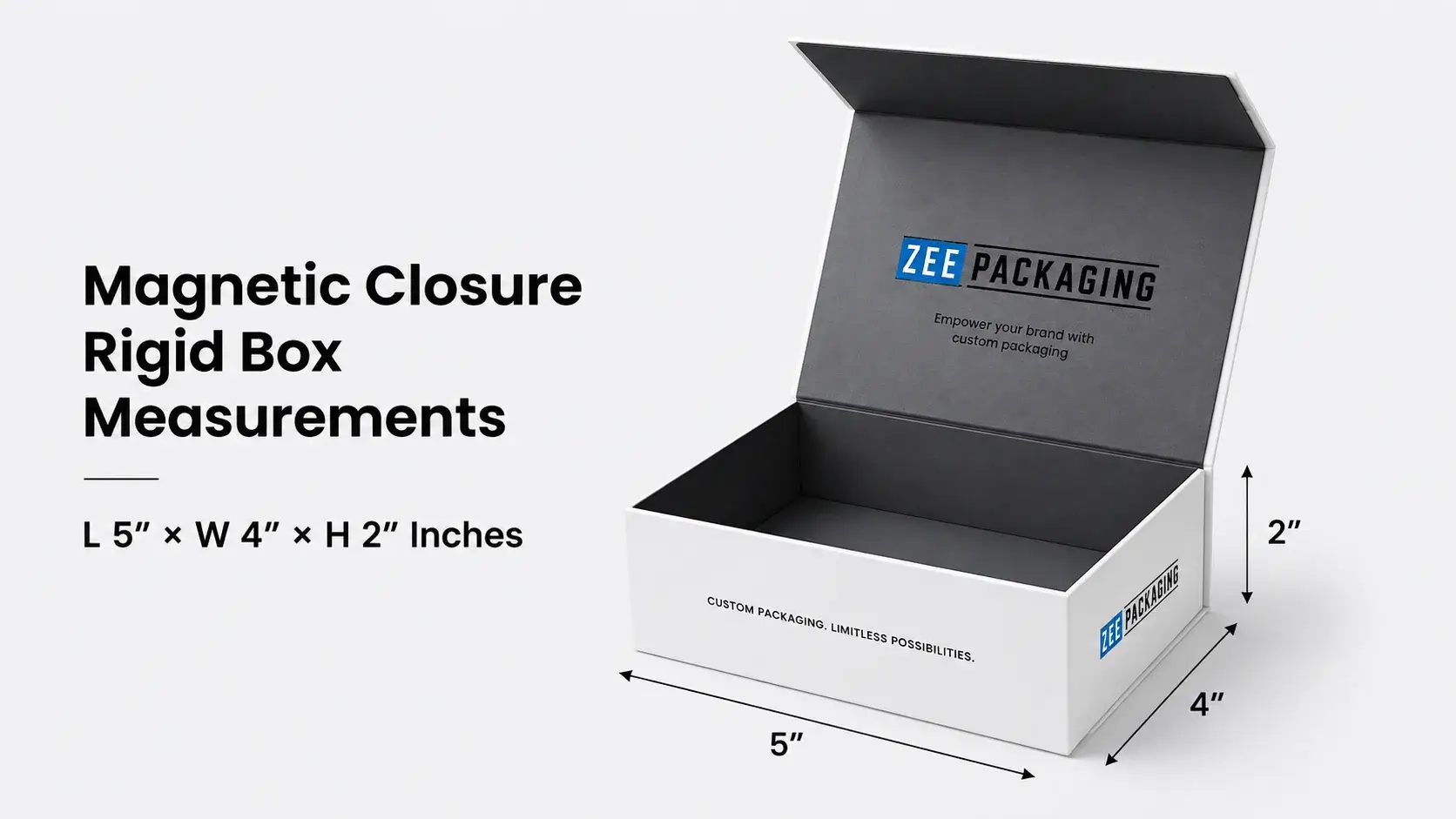
22 | Book-Style Rigid Box | Inner L × W × H + Spine + Cover/Flap | Book-style magnetic boxes, presentation boxes, hinged magnetic boxes |
23 | Slipcase Box | Opening W × H × Internal Depth | Book slipcases, album boxes, presentation slipcases, rigid slipcases |
24 | Multi-Level / Step Box | Main L × W × H + individual level dimensions | Tiered displays, stepped presentation boxes, specialty rigid boxes |
25 | Irregular Die-Cut Box | Maximum L × W × H + shape-specific dimensions | House-shaped boxes, coffin boxes, star boxes, custom die-cut packaging |
26 | Insert / Product Cavity | Insert L × W × H + Cavity L/W/D | Foam inserts, paperboard inserts, molded pulp, EVA inserts, product holders |
27 | Divider / Partition Box | Box L × W × H + Cell L × W × H + Rows/Columns | Bottle boxes, glassware boxes, cosmetics sets, multi-product packaging |
28 | Bottle / Jar Packaging | Product Diameter × Product H + Box Internal L × W × H | Bottle boxes, jar boxes, beverage cartons, cosmetic bottle cartons |
29 | Multi-Bottle Carrier | Overall L × W × H + Bottle Diameter + Divider spacing | Beer carriers, beverage carriers, bottle gift boxes |
30 | Pizza Slice / Wedge Box | Front W × Back W × Length/Depth × H | Pizza slice boxes, cake-slice boxes, wedge-shaped food boxes |
31 | Corner / L-Shaped Specialty Box | Individual section lengths × widths × heights | L-shaped packaging, corner protectors, specialty structural cartons |
32 | Product-Fit Protective Packaging | Product L × W × H + required clearance/protection | Electronics packaging, appliance boxes, foam-lined shipping boxes, protective corrugated boxes |
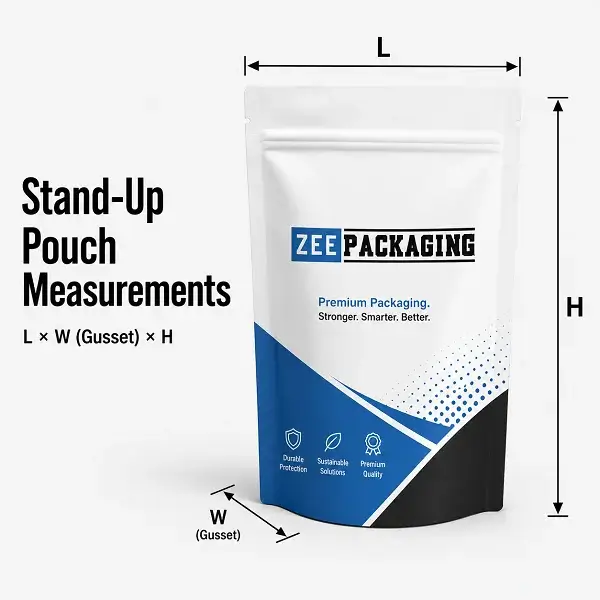
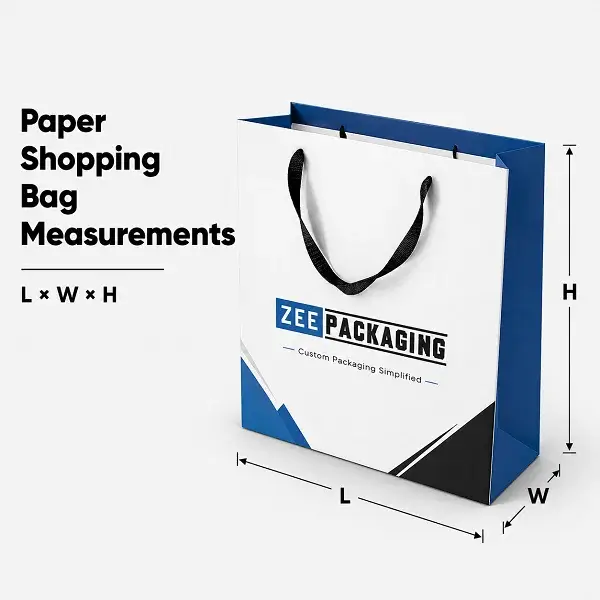
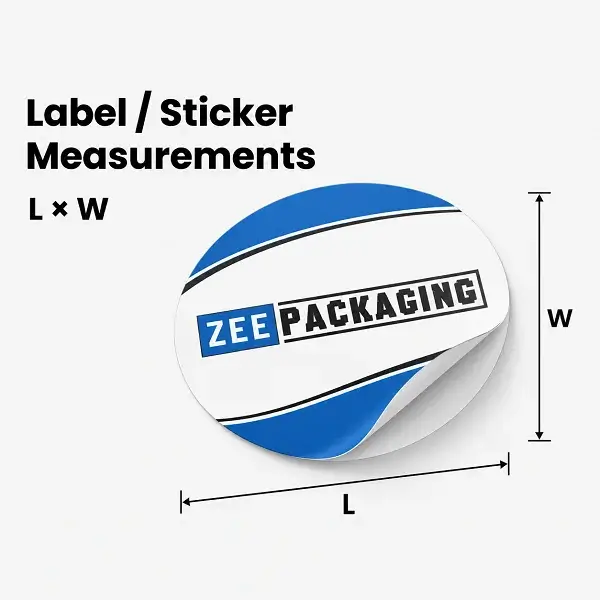
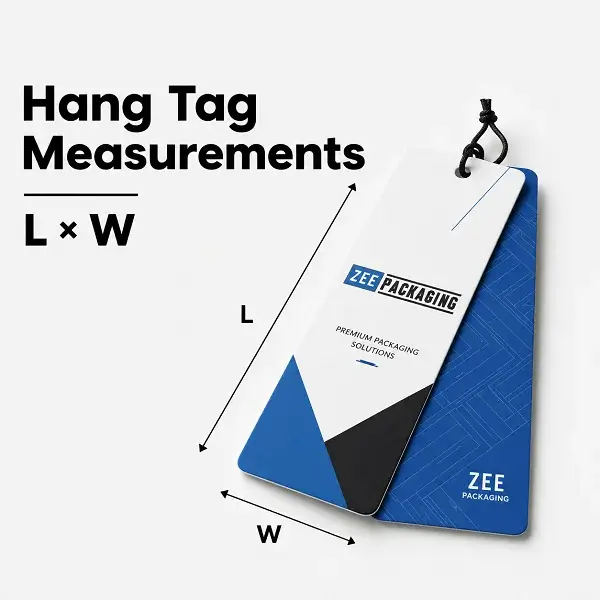
Visual Guide Of Box Measurements by Style
Below we cover visuals - how box measurements work for each style we manufacture.
People Asked Questions
How do I measure custom shaped boxes?
First start with the maximum overall Length × Width × Height, then after that add the measurements for curves, angles, cutouts, openings, handles, necks or any unusual panels. A dieline, drawing, photo or one physical sample helps us alot over here.
Should I provide inside or outside box dimensions?
Finished inside dimensions are best for most of the custom quotes, since these represent the usable space for your product. In case you have only the outside measurements, then kindly label the same clearly as outside dimensions.
What if I only know my product dimensions?
Send us the product Length × Width × Height along with notes on the inserts, padding or protective space which is needed, and our team recommend a suitable box size for you.
Should handles, flaps, lids or display headers be included in L × W × H?
Usually no, they are not. Handles, closing flaps, lid extensions and display headers, all these sit outside the main L × W × H. Kindly mention their measurements separately in case they affect the design.
Should I measure an assembled box or a flat box?
Measure the box fully assembled only, for the finished L × W × H. Flat dimensions belong to dielines and manufacturing specs.
What unit should I use for box measurements?
Inches, millimeters or centimeters, all work. Just state the unit clearly and never mix the units inside the same set of box dimensions.
How accurate do my box measurements need to be?
As accurate as you can manage, especially where the box has to fit a specific product or insert. Even small differences affect the fit, closure and final production, so kindly reach for a ruler, tape or caliper.
What information should I send with a custom box quote request?
Along with the box dimensions, send the box style, quantity, material preference, product dimensions, printing requirements, inserts, special features, and also whether your numbers are inside or outside measurements.
Still Not Sure How to Measure Your Box?
No problem at all, this is the exact thing our team is here for. If your packaging style is not covered above, or simply you are unsure which numbers to take, just contact us with your product dimensions, photos, drawings, a dieline or one existing box sample. We will identify the correct box measurements together with you before your quote goes out, so that your custom packaging comes back fitting the way it should, that too in the very first time.