Custom Bottle Neckers
A bottle necker is a small piece of printed board that hangs around the neck of a bottle, and it does something no label can. It sticks out from the shelf face, catching the eye of somebody walking past a wall of similar looking bottles. Cheap, simple and remarkably effective. We produce a lot of bottle necker work at ZEE Packaging and shelf disruption is exactly what they are for.
It Breaks The Shelf Line
A bottle necker interrupts an otherwise uniform display.
- It projects outward from the shelf face rather than sitting flat
- Movement catches the eye as a shopper walks past
- A row of bottles looks identical until one has a necker on it
- It carries a message the label has no room for
- Adding one requires no change to the bottle or the label
- It comes off without leaving any residue behind
Most brands using a bottle necker do so because it lifts sales without touching the existing packaging at all.
The Hole Has To Fit The Neck
This is the detail that decides whether it works.
- Neck diameters vary considerably between bottle types
- Too tight and staff cannot get it on without tearing
- Too loose and it slides down over the shoulder
- Wine, spirit and beer necks all differ noticeably
- A keyhole slot suits application better than a plain circle
- Send us a bottle and we cut the aperture around it
- Single panel necker the standard bottle necker
- Folded two panel twice the printable area
- With a tear off coupon a redeemable offer attached
- With a recipe card cocktail and serving suggestions
- Die cut shape following a logo or a themed outline
- With a hanging medal or tag added dimension
Sizes We Print Regular
Every bottle necker is built to your bottle, though these run often:
- 3" x 4" for a standard single panel
- 4" x 5" for a larger message
- 3" x 6" folded for a two panel version
- 2.5" x 3.5" for a compact format
- 4" x 8" for a recipe card style
- Custom shapes cut to your outline
Stock And Print
- 14pt to 20pt card stock, which holds shape without curling
- Matte or gloss lamination for durability in store
- Uncoated stock for a natural, craft position
- Kraft board where the brand suits it
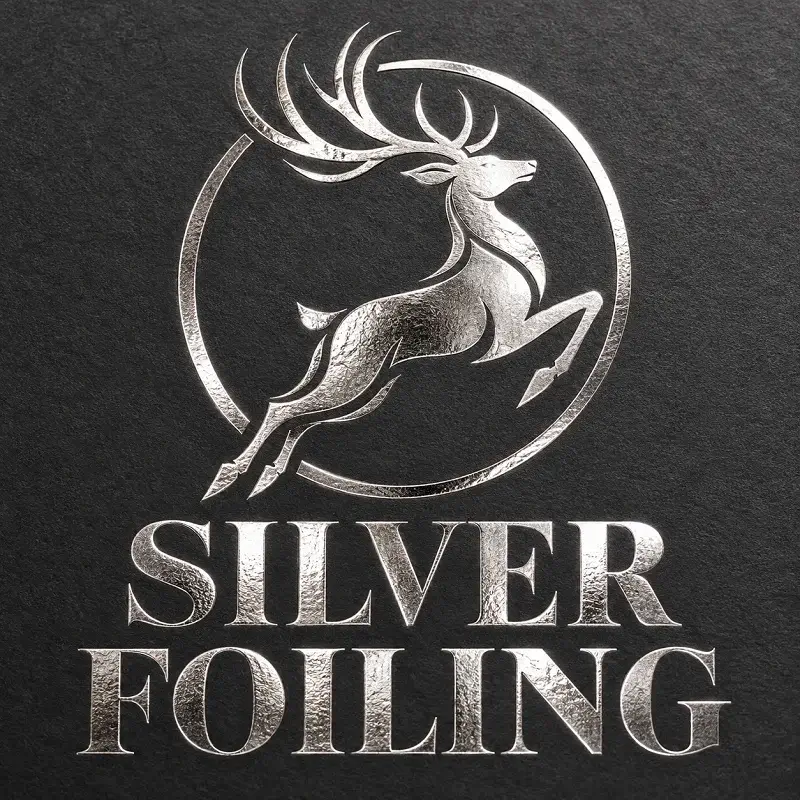
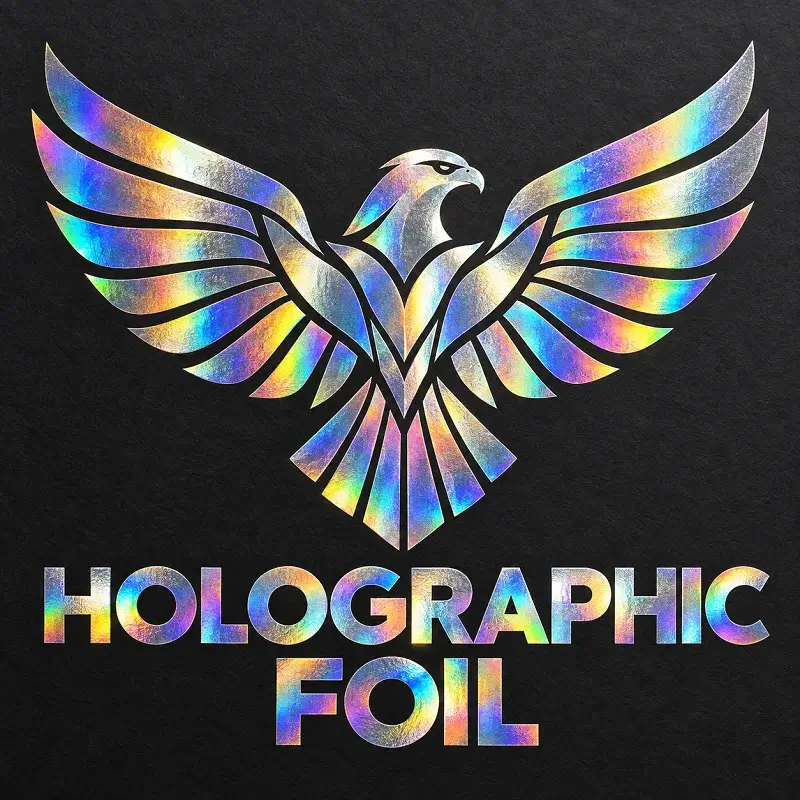
- Foil stamping, which catches light on a shelf
- Spot UV for contrast without adding color
Print both sides. A necker rotates on the bottle as customers handle it, so the reverse gets seen far more than people expect.
Materials Worth Choosing
- Recycled card stock, widely available in these grades
- FSC certified paper, certificate available on request
- Soy based ink through the whole run
- Uncoated stock, which recycles cleanly with no film
- Board rather than plastic hangers or clips
- Right sizing so no card is wasted in the cut
What Ordering Looks Like Here
- 100 unit minimum, so a small producer can order properly
- Free proof before anything prints
- Free dieline drawn by our own designer
- Physical sample on request to test the aperture fit
- Urgent turnaround at 5 to 8 business days
- Free shipping worldwide with nothing hidden
Frequently Asked Questions
Will it fit our bottles?
Send us one and we cut the aperture to match. Neck diameters vary more between bottle types than most people realize.
Does it slide off?
Not with a correctly sized aperture. A keyhole slot holds better than a plain circle, particularly on a tapered neck.
How much is a bottle necker?
Rough estimate is $0.04 to $0.12 per unit for a single panel, $0.08 to $0.22 folded and $0.14 to $0.35 with foil at moderate quantity. Volume moves it. Shipping is included in our price. This is estimate only, so ask our team for a exact quote.
How are they applied?
By hand in most cases, which takes a second or two per bottle. Automated application is possible at high volume.
Should we print both sides?
Yes. Neckers rotate as bottles get handled, so the back face gets seen regularly on shelf.
Can we add a tear off coupon?
We do, with a perforated section. It gives you a measurable response from a shelf level promotion.
Do they work for beer?
Very well, particularly on multipacks and single bottles. The neck is narrower, so we cut a smaller aperture.