Custom Greeting Cards
Somebody choosing a card in a shop picks up several, feels them, and puts most of them back. The one they buy usually felt better than the others before they read a word of it. Stock choice does more selling than artwork in that moment. We produce a lot of greeting card work at ZEE Packaging and paper weight is where we would start every conversation.
People Feel Before They Read
A greeting card is judged in the hand within seconds.
- Weight registers before the artwork does
- Thin card flops open and reads as cheap immediately
- Texture communicates something print alone cannot
- Uncoated stock takes a handwritten message properly
- The fold quality shows whether it was made carefully
- Buyers compare cards physically on a rack
Most greeting card work that underperforms was printed well on stock that was far too light.
The Fold And The Envelope
Two details that decide whether it feels right.
- A scored fold sits clean, an unscored one cracks
- Heavier stock needs deeper scoring to fold without splitting
- The card should stand unaided on a shelf
- Envelopes need a few millimeters of clearance around the card
- A tight envelope creases the card going in
- Matching the envelope stock lifts the whole set
- Standard folded card the everyday greeting card
- Landscape fold opening from the side
- Square format distinctive on a crowded rack
- Flat postcard style printed both sides with no fold
- Gatefold opening outward from the center
- Die cut shape following an outline
Sizes We Print Regular
Every greeting card is built to your range, though these run often:
- 5" x 7" for the standard US size
- A6 at 105mm x 148mm for European ranges
- A5 at 148mm x 210mm for a larger card
- 5.5" x 5.5" for a square format
- 4" x 6" for a compact size
- 7" x 5" landscape
Stock And Print
- 300gsm to 400gsm for a proper substantial feel
- Uncoated stock, which most illustrators prefer
- Textured and laid papers for a heritage look
- Recycled board with visible fiber
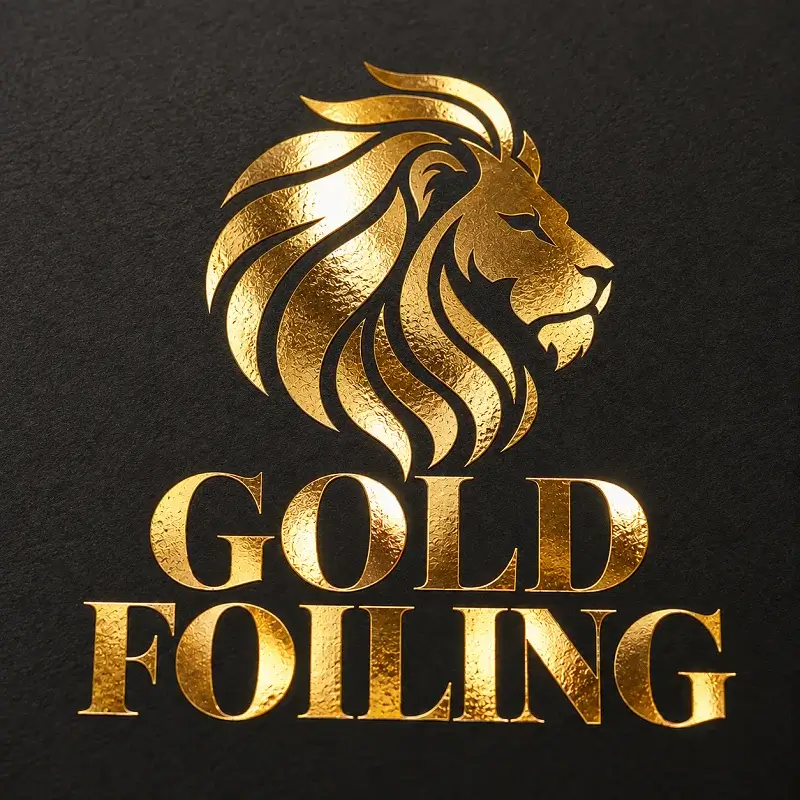
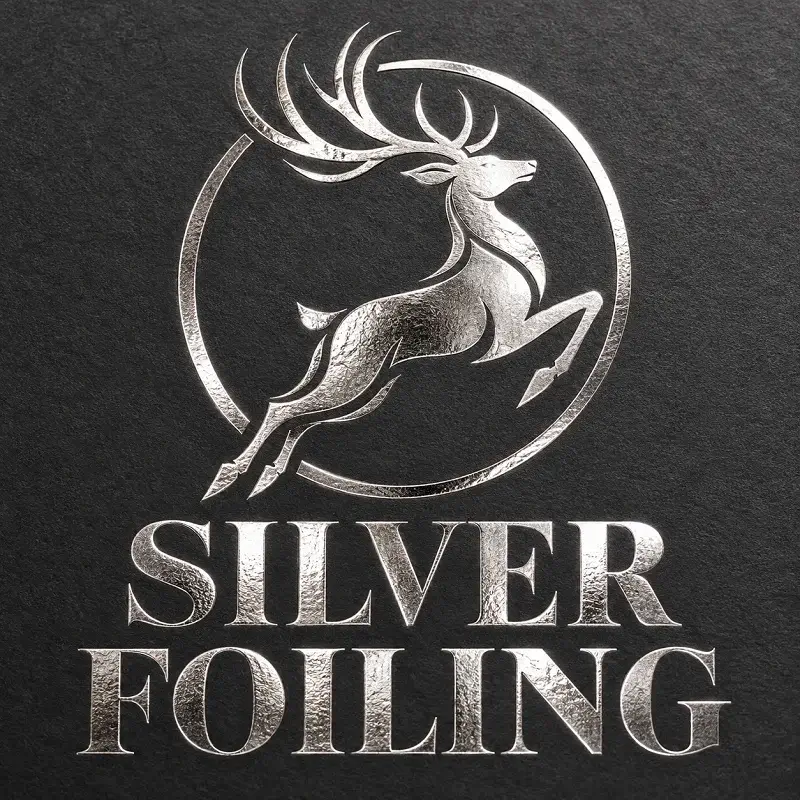
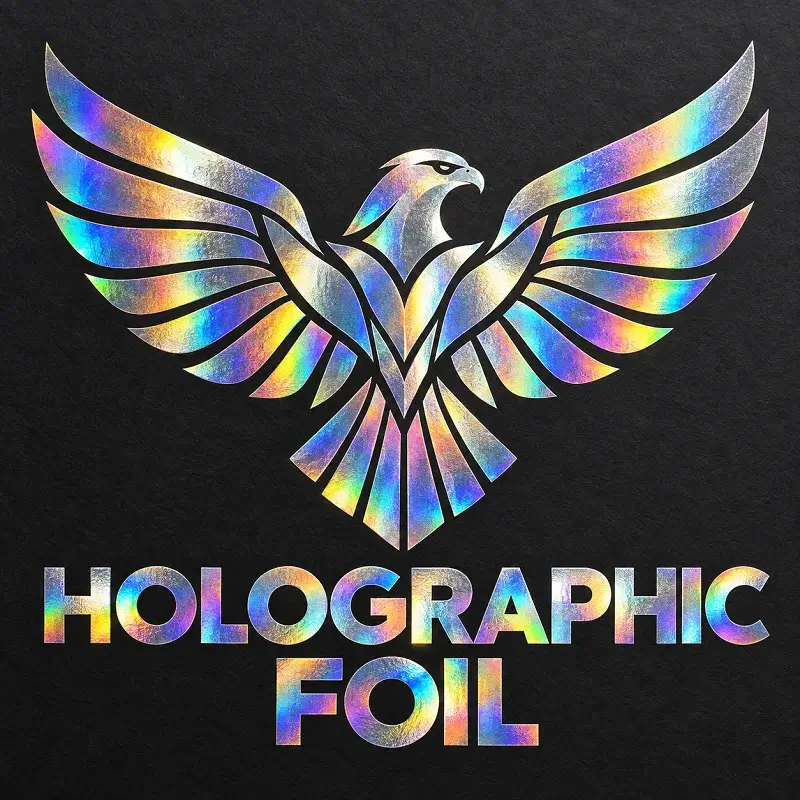
- Foil stamping, which lifts a card considerably
- Blind deboss and emboss for texture without ink
Uncoated is what this category leans toward. It feels warmer, it takes pen ink properly, and it suits illustration far better than a coated sheet does.
Materials Worth Choosing
- Recycled card stock, widely available at these weights
- FSC certified paper, certificate available on request
- Soy based ink through the whole run
- Uncoated stock, which recycles with no film at all
- Compostable sleeve rather than a poly bag
- Seed paper for a card that gets planted afterward
Poly sleeves are the sticking point in this category. Compostable film costs slightly more and removes the one plastic element in an otherwise clean product.
What The Process Looks Like
- 100 unit minimum, so an independent illustrator can order
- Free proof before anything prints
- Free artwork setup by our own designer
- Stock swatches on request, since feel matters here
- Urgent turnaround at 5 to 8 business days
- Free shipping worldwide with nothing hidden
Frequently Asked Questions
Which weight should we choose?
300gsm as a minimum, 350gsm or above where you want it to feel premium. The difference on a rack is genuinely noticeable.
Will the fold crack?
Not with proper scoring. Cracking happens when heavy stock is folded without a deep enough score, which we set for the weight.
How much is a greeting card?
Rough estimate is $0.15 to $0.45 per card on 300gsm, $0.25 to $0.60 with an envelope and $0.45 to $1.10 with foil at moderate quantity. Volume moves it. Shipping is included in our price. This is estimate only, so ask our team for a exact quote.
Do you supply envelopes?
We do, sized with clearance so the card slides in without creasing. Matching stock is available too.
Uncoated or coated?
Uncoated for illustration and handwriting. Coated where you have photography that needs sharper reproduction.
Can we do foil?
Yes, and it lifts a card considerably at retail. A small foil detail often outsells a fully printed design.
Are compostable sleeves available?
They are, and most independent makers now choose them over poly. It costs a little more per card.