Custom Regular Six Corner
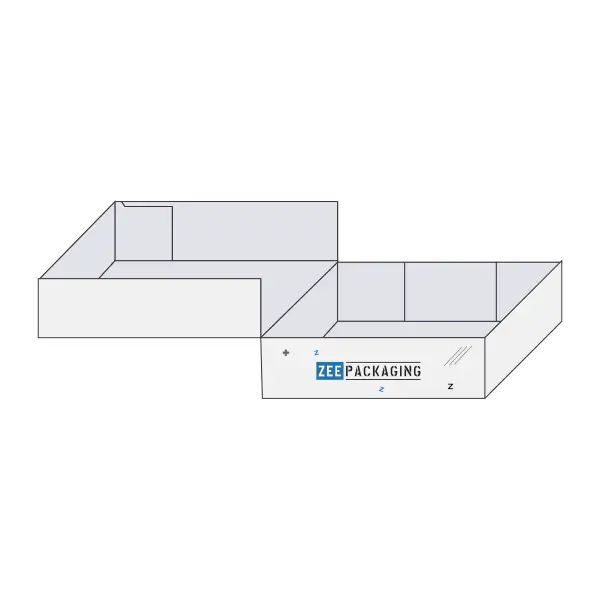
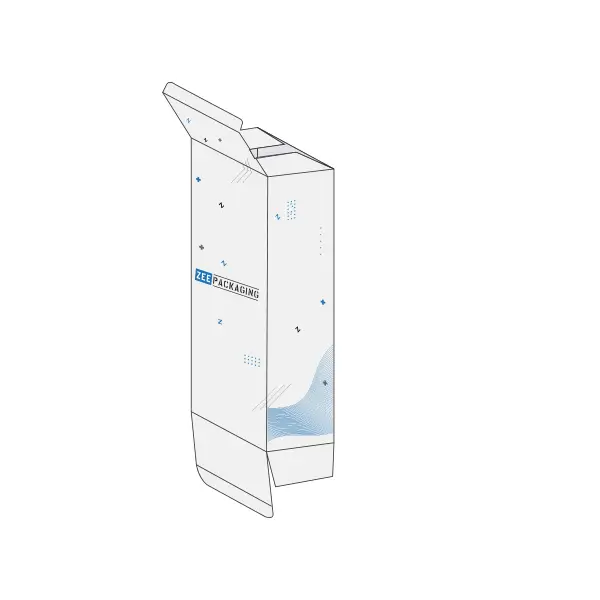
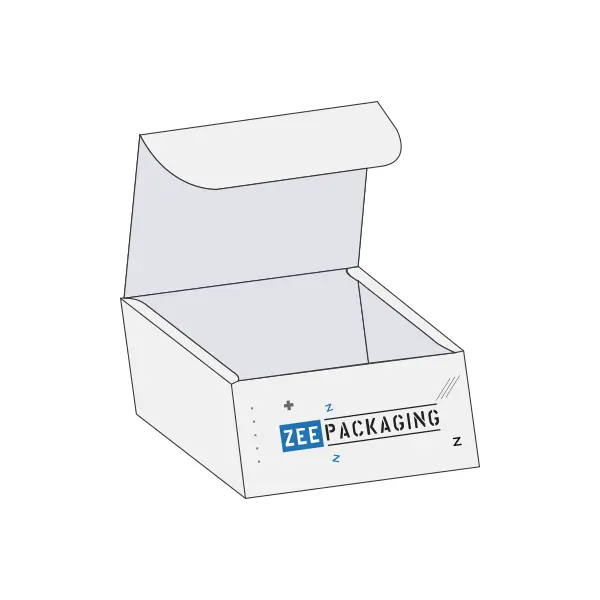
The regular six corner is a tray built from one sheet where each end has three panels folding together rather than one. Six corner points in total, which is where the name comes from. Those extra folds give the walls considerably more rigidity than a plain tray manages. We produce a lot of regular six corner work at ZEE Packaging and the strength to cost ratio is what makes it worth specifying.
Six Points Of Structure
A regular six corner folds more than a simple tray does.
- Each end forms from three panels rather than one
- That creates six corner points holding the structure
- Walls stay vertical instead of pushing outward
- No glue or tape is needed anywhere
- It ships completely flat with nothing pre assembled
- The doubled ends resist crushing in transit
Most operators choosing a regular six corner want tray rigidity without paying for a glued build.
Where It Sits Against Alternatives
Three formats and a clear order between them.
- A plain folded tray is cheapest and weakest
- A regular six corner holds considerably better
- A glued tray is strongest and fastest to assemble
- Glued costs more, since gluing is a separate stage
- Six corner needs no glue but takes a few more seconds
- For medium weight products it usually hits the balance
- Open regular six corner tray the standard build we run
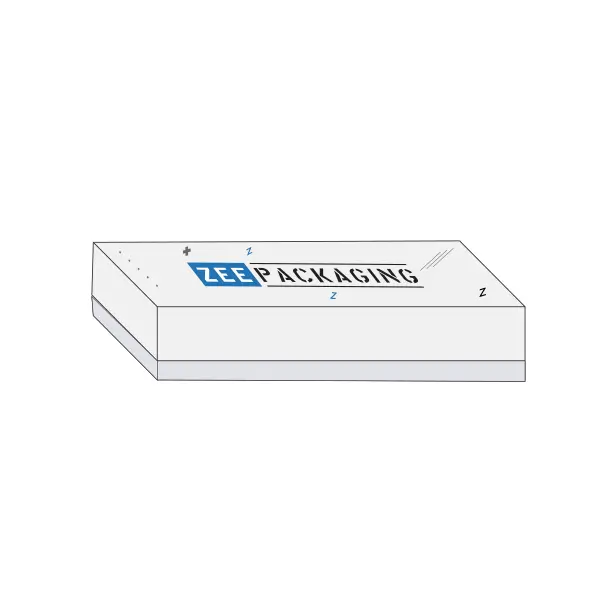
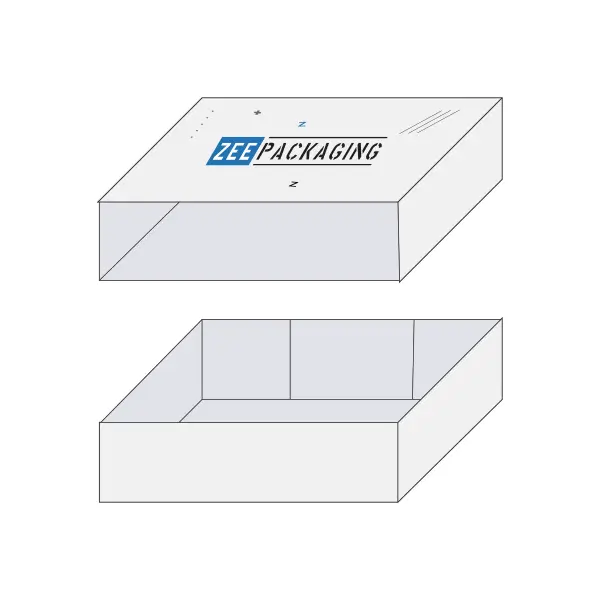
- With a separate lid shipping sealed then displaying
- With a tuck top the lid attached to the tray
- Front cut down version product visible from the front
- Divided tray compartments for several SKUs
- Food grade version for bakery and catering use
Sizes We Print Regular
Every regular six corner tray is built to your product, though these run often:
- 10" x 7" x 3" for a small counter tray
- 12" x 9" x 4" for a standard format
- 14" x 10" x 4" for a larger unit
- 8" x 6" x 3" for compact items
- 16" x 12" x 5" for a bulk tray
- 8" x 8" x 4" for a square format
Send us the loaded weight, since the end construction is specified against it.
Board And Print
- E flute corrugated for lighter trays
- B flute where the tray carries real weight
- SBS C1S for a lightweight retail version
- Litho laminated corrugated for full color print
- Kraft corrugated or board for a plain build
- Food grade certified stock where food is involved
The end folds have to sit flush against each other. A slightly wrong angle leaves a gap, so we sample the fold before running a full job.
Materials Worth Choosing
- Recycled board and corrugated, standard in these grades
- FSC certified stock, certificate available on request
- Soy based ink through the whole run
- No adhesive at all in the construction
- No lamination, so it recycles cleanly
- Right sizing so no board is wasted per tray
How Your Order Runs Here
- 100 unit minimum, so a small brand can test the format
- Free 3D mockup and flat proof before anything prints
- Free dieline drawn by our own designer
- Physical sample on request to test the ends under load
- Urgent turnaround at 5 to 8 business days
- Free shipping worldwide with nothing hidden
Frequently Asked Questions
Why six corners rather than four?
Each end folds from three panels rather than one, which gives more rigidity across the whole structure.
Does it need glue?
No. The folds hold each other in place, which is the point of the design.
How much does a standard six-corner tray cost?
Rough estimate is $0.35 to $0.95 per unit in plain board, $0.60 to $1.50 with print and $1.10 to $2.60 for litho laminated at moderate quantity. Size moves it. Shipping is included in our price. This is estimate only, so ask our team for a exact quote.
How fast does it assemble?
A few seconds once staff learn the sequence. Slower than a glued tray, faster than taping a plain one.
Will the walls hold under weight?
At the right board grade, yes. Failures come from light board carrying a heavy load.
Can it hold food?
Yes, in food grade stock. It works well for bakery and catering trays.
Does it ship flat?
Completely, with nothing pre glued. Storage takes almost no space as a result.