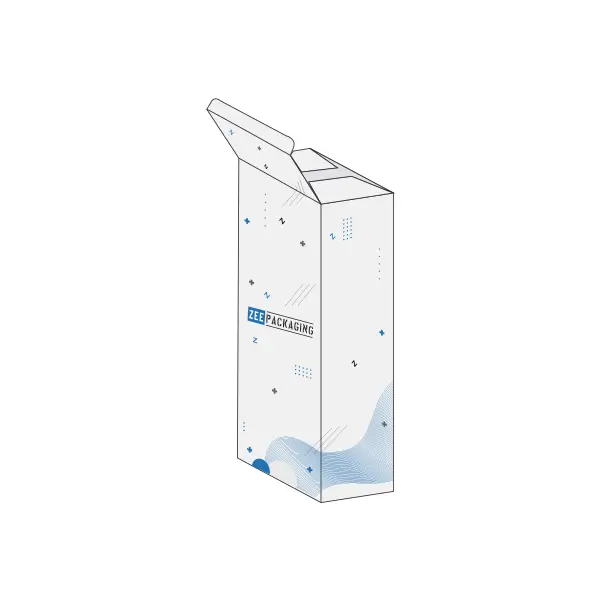
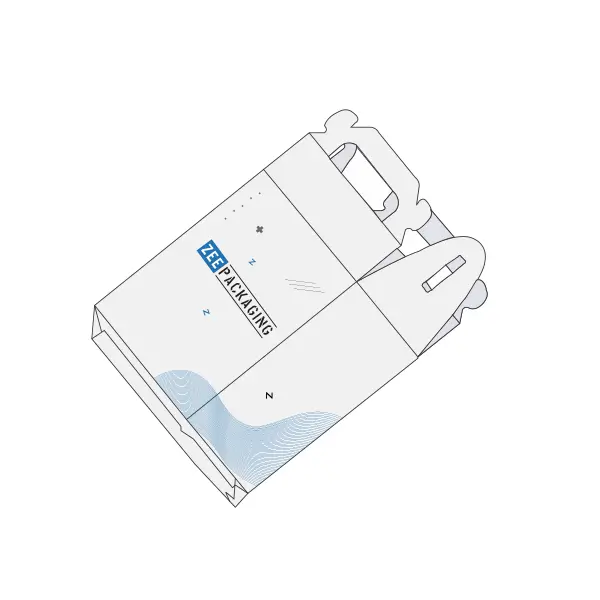
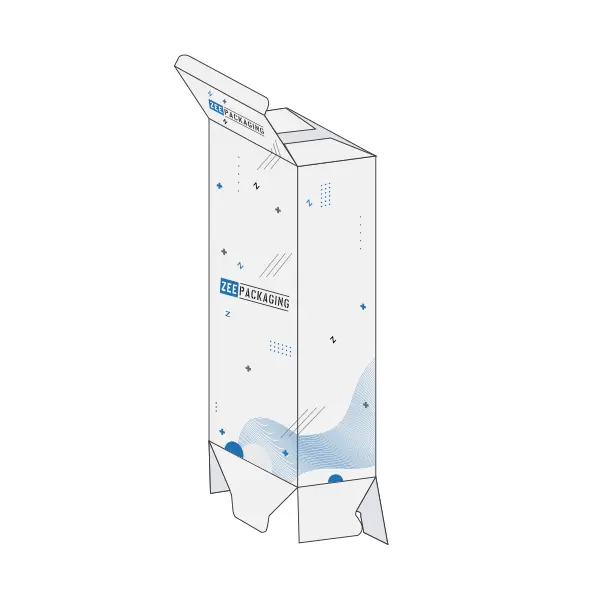
Custom Tray & Sleeve
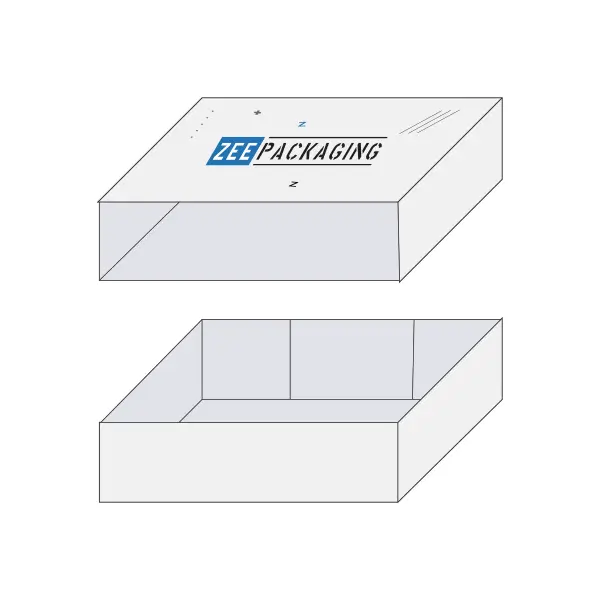
Two components, one opening action. The sleeve slides away and the tray comes out like a drawer, which feels considerably more deliberate than lifting a flap. It also gives you two printed surfaces instead of one. We produce a lot of tray & sleeve work at ZEE Packaging and this is the format we recommend most often when a rigid box is out of budget.
A Drawer Rather Than A Flap
A tray & sleeve opens differently to a folding carton.
- The outer sleeve slides off rather than lifting
- The tray pulls out like a drawer
- The action feels considered rather than rushed
- Two printed surfaces rather than one
- It costs far less than a rigid build
- Most customers cannot tell it from a rigid drawer box
Most brands choosing a tray & sleeve came here after pricing rigid and needing something closer to budget.
Slide Fit Decides The Feel
The tolerance between the two parts matters most.
- Too tight and the tray snags coming out
- Too loose and it slides out unprompted in a bag
- Board caliper on both parts affects the fit
- Lamination adds thickness, changing the tolerance
- A thumb notch makes removal far easier
- We sample both halves together rather than separately
- Sleeve over a folding tray the everyday tray & sleeve
- Sleeve over a rigid tray a more substantial build
- Full width sleeve covering the entire tray face
- Belly band version narrower and cheaper
- Sleeve with a window showing product beneath
- With a fitted insert holding contents in place
Sizes We Print Regular
Every tray & sleeve set is built to your product, though these run often:
- 6" x 4" x 2" for a small gift
- 8" x 6" x 2" for a mid size item
- 10" x 8" x 2" for a curated set
- 12" x 9" x 2" for apparel
- 4" x 4" x 4" for a candle or jar
- 9" x 6" x 1.5" for a slim format
Board And Print
- SBS C1S at 18pt to 24pt on the sleeve
- Rigid greyboard tray for a premium version
- Kraft board for a natural or artisan position
- Matte, gloss and soft touch lamination
- Foil, spot UV and blind deboss on the sleeve
- A printed tray interior, seen as it slides out
Printing the tray inside is worth doing. It costs little and it is exactly what the customer looks at once the sleeve comes away.
Materials Worth Choosing
- Recycled board across most grades we run
- FSC certified stock, certificate available on request
- Soy based ink through the whole run
- Less board than a rigid lid and base build
- Aqueous coating rather than plastic lamination
- Right sizing so no board is wasted per set
How An Order Runs With Us
- 100 unit minimum, so a small brand can order properly
- Free 3D mockup and flat proof before anything prints
- Free dieline drawn by our own designer
- Physical sample on request to test the slide
- Urgent turnaround at 5 to 8 business days
- Free shipping worldwide with nothing hidden
Frequently Asked Questions
Will the tray slide out on its own?
Not at the right tolerance. A loose fit is the usual cause and it is avoidable at sampling.
How much cheaper than rigid?
Considerably, particularly with a folding tray. It is the closest you get to rigid on a modest budget.
Should we add a thumb notch?
Almost always. Without one people struggle to grip the tray and shake the whole thing instead.
Can the sleeve have a window?
Yes, showing the product beneath. It works well on a retail shelf.
Does lamination affect the fit?
Slightly, since it adds thickness. We account for that at dieline stage.
Can we change sleeves seasonally?
Easily. Keep the tray and reprint only the sleeve, which saves on repeat runs.
How much is a tray and sleeve set?
Rough estimate is $0.35 to $0.95 per set with a folding tray, $1.20 to $2.80 with a rigid tray and $0.20 to $0.55 for a belly band at moderate quantity. Format moves it. Shipping is included in our price. This is estimate only, so ask our team for a exact quote.