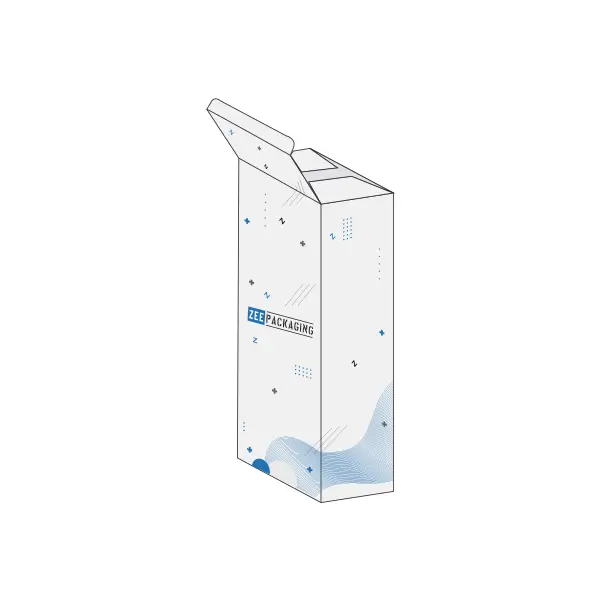
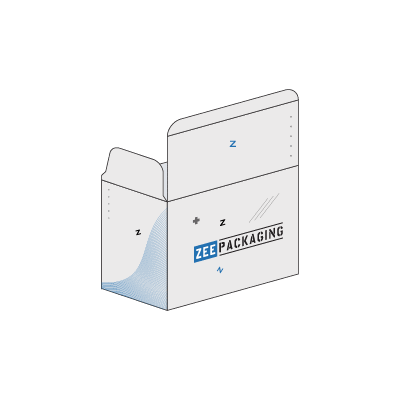
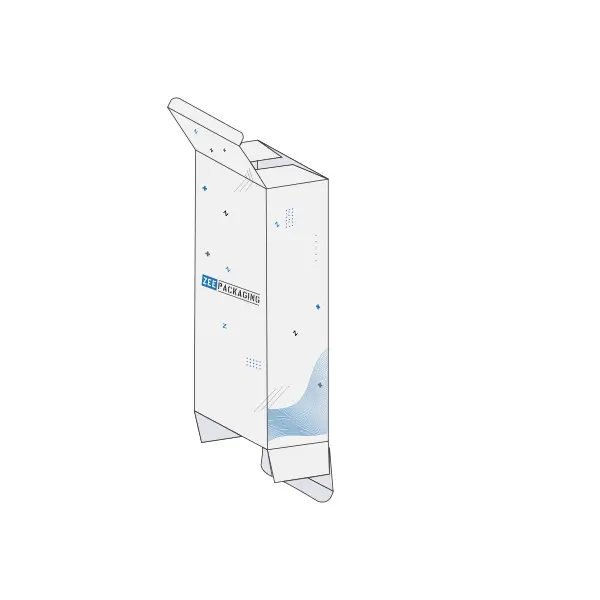
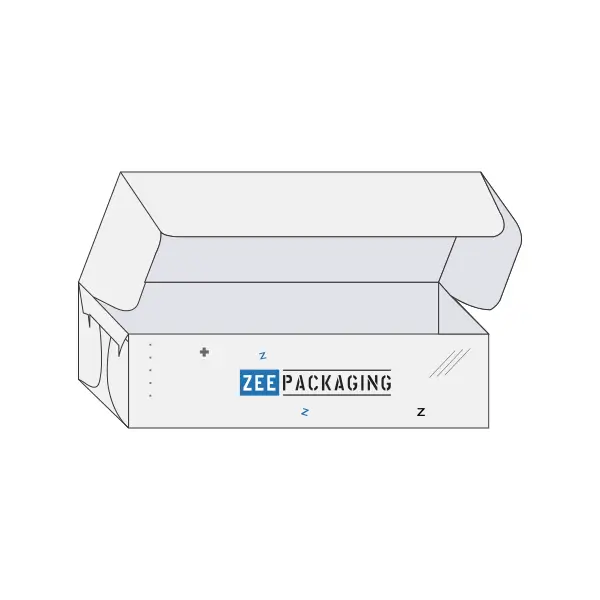
Custom Tuck End Cover
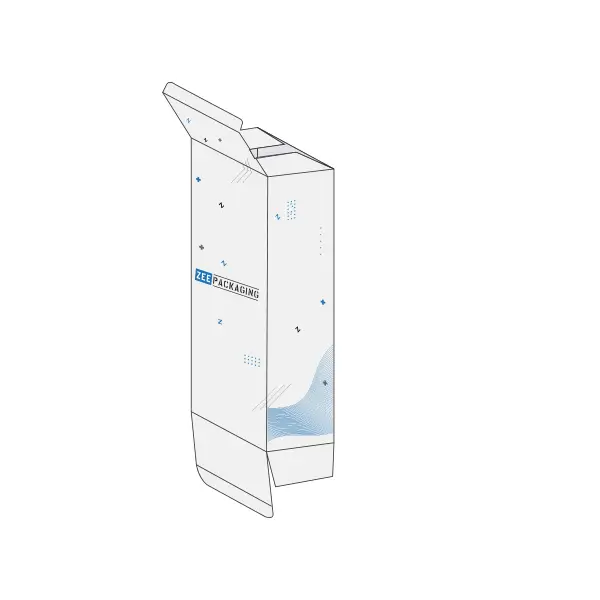
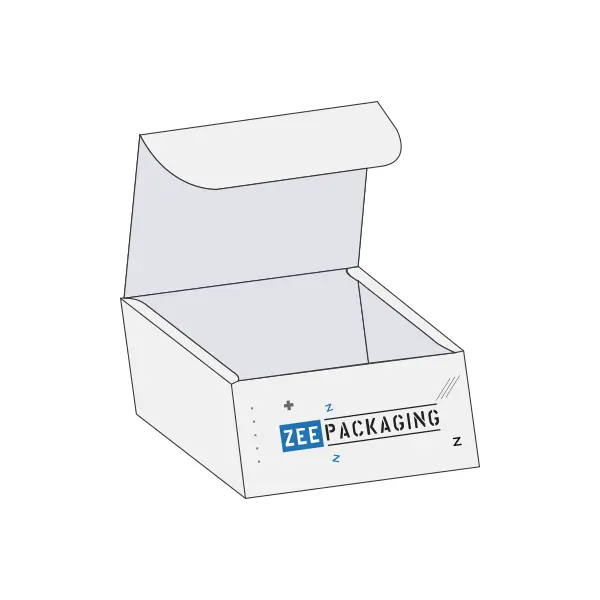
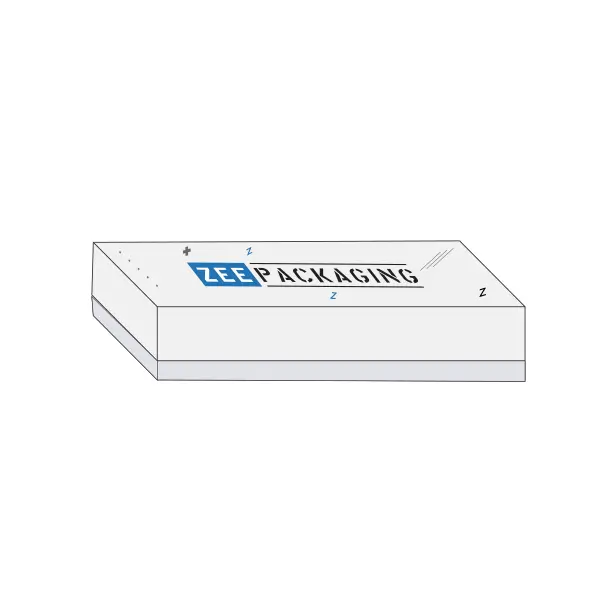
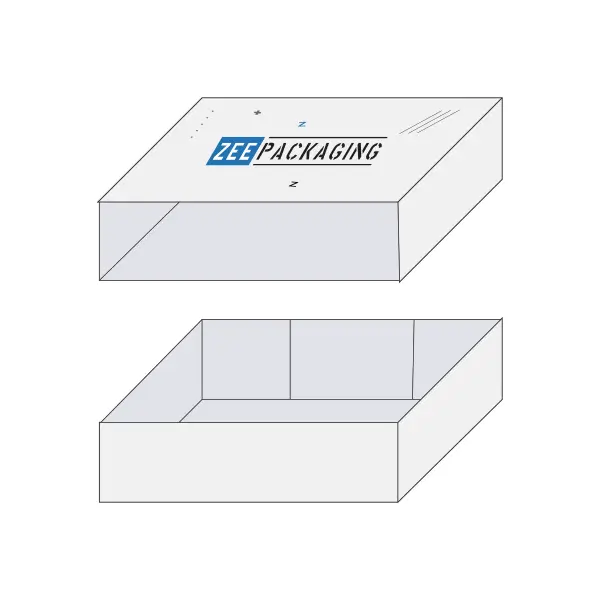
A cover slides over something that already exists. A plain tray, a stock container, an inner box you bought unprinted. Add tucked ends and it closes properly rather than sliding straight off. It is the cheapest way to enclose and brand something without tooling a whole new carton. We produce a lot of tuck end cover work at ZEE Packaging and the low setup cost is what brings clients here.
Branding Something You Already Have
A tuck end cover works over existing packaging.
- It slides over a plain tray or container
- Tucked ends close it rather than leaving it open
- No custom container tooling is needed
- The design changes without changing what is inside
- Far less board is used than a full carton
- Print quality matches anything a custom box could offer
Most brands ordering a tuck end cover came here after pricing a full custom carton and looking for a cheaper route.
Fit Over An Existing Item
The cover has to suit what it goes over.
- Measure the item at its widest point
- Too tight and it will not slide on
- Too loose and it moves around once fitted
- Tuck depth must clear the contents inside
- Board caliper affects the internal dimension
- Send us the actual item rather than dimensions
- Standard tuck end cover the everyday build we run
- Full depth version covering the whole item
- Shallow cover showing part of what is beneath
- Window version showing product through a die cut
- With a tongue lock resisting accidental opening
- Food grade version for direct food contact
Sizes We Print Regular
Every tuck end cover is built to your item, though these run often:
- 6" x 4" x 2" for a small tray
- 8" x 6" x 2" for a standard format
- 10" x 8" x 3" for a larger item
- 4" x 4" x 4" for a cube format
- 12" x 9" x 2" for a flat product
- 9" x 6" x 3" for a mid size container
Send us the item it covers, since the internal dimension matters more than the external one.
Board And Print
- SBS C1S at 16pt to 22pt for most covers
- Kraft board for a natural or artisan position
- CCNB and duplex where a grey back is acceptable
- Matte, gloss and soft touch lamination
- Foil, spot UV and deboss on the visible faces
- Food grade certified stock where required
A cover needs less caliper than a structural carton, since it is not carrying the load. That is part of where the cost saving comes from.
Materials Worth Choosing
- Recycled board grades, widely available here
- FSC certified stock, certificate available on request
- Soy based ink through the whole run
- Considerably less board than a full carton
- No adhesive needed anywhere
- Right sizing so no material is wasted per unit
What Happens On Your Order
- 100 unit minimum, so a small brand can test the format
- Free 3D mockup and flat proof before anything prints
- Free dieline drawn by our own designer
- Physical sample on request to check the fit
- Urgent turnaround at 5 to 8 business days
- Free shipping worldwide with nothing hidden
Frequently Asked Questions
Is it cheaper than a full carton?
Considerably, since it uses less board and needs no structural strength. It also avoids new container tooling.
How much is a tuck end cover?
Rough estimate is $0.14 to $0.45 per unit plain, $0.24 to $0.65 with print and $0.38 to $1.00 with finishing at moderate quantity. Volume moves it. Shipping is included in our price. This is estimate only, so ask our team for a exact quote.
How do we get the fit right?
Send us the actual item. Stated dimensions rarely account for how a tray flexes when filled.
Will it slide off?
Not with tucked ends and the right fit. That is the difference between a cover and a plain sleeve.
Which caliper should we use?
16pt to 20pt for most covers. It carries no load, so heavy board is unnecessary.
Can we change the design seasonally?
Easily. Keep the same inner tray and reprint only the cover.
Can it hold food?
Yes, in food grade stock where any contact happens.