Custom Pop Display
Point of purchase covers everything from a small tray beside a register to a six foot tower at the end of an aisle. What they share is a job, which is capturing a decision that was not made before the shopper walked in. We produce a lot of pop display work at ZEE Packaging and matching the format to the position is where most of the value sits.
A pop display has to suit where it will actually stand.
- Counter units work at a register or a queue line
- Floor standing towers suit aisle ends and entrances
- Shelf trays sit within an existing planogram
- Pallet displays handle seasonal bulk volume
- Each position has different space and weight limits
- Getting the format wrong means the unit gets removed
Most pop display work we get asked to fix was designed without knowing where it would stand.
Retailers Refuse More Than They Accept
Understanding their concerns improves your odds considerably.
- Anything that creates staff work gets declined
- Assembly in store is a common reason for refusal
- Units that look untidy at half empty get pulled early
- Footprint is scrutinized hard, particularly at tills
- Pre filled shipper formats are far easier to place
- Compliance with their planogram rules matters
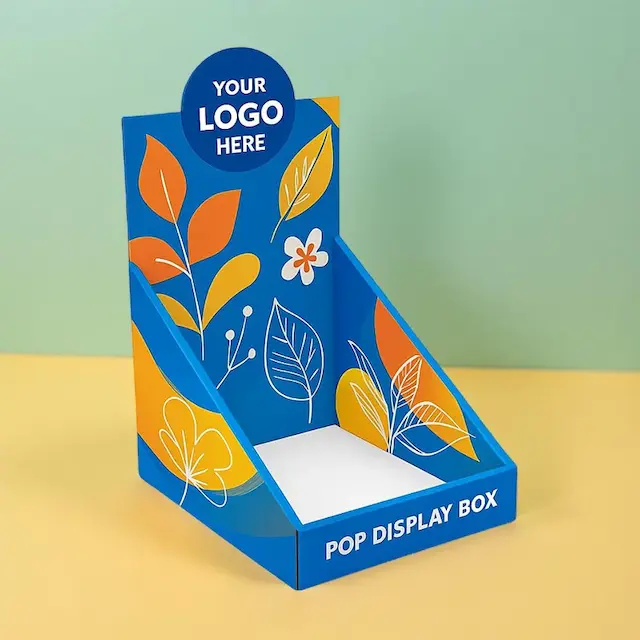
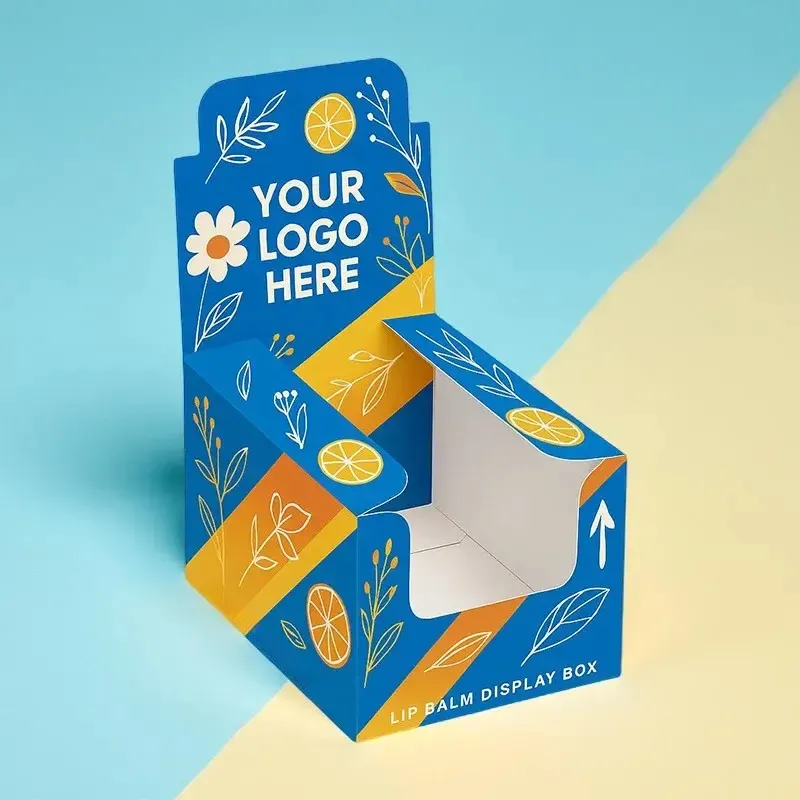
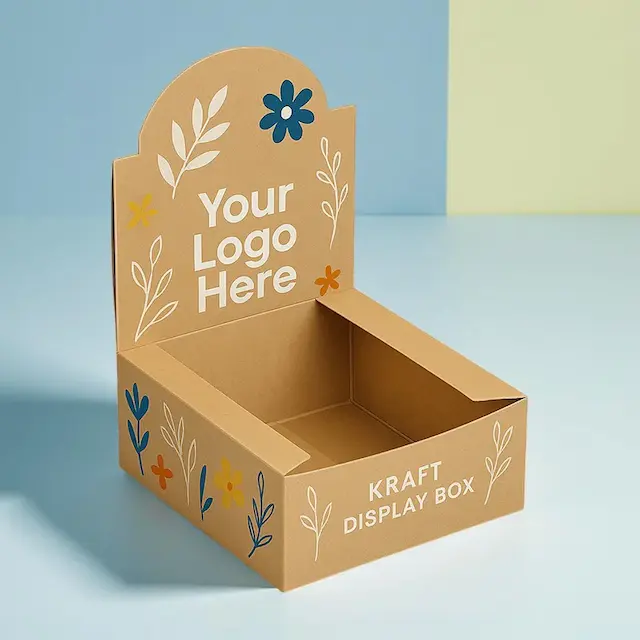
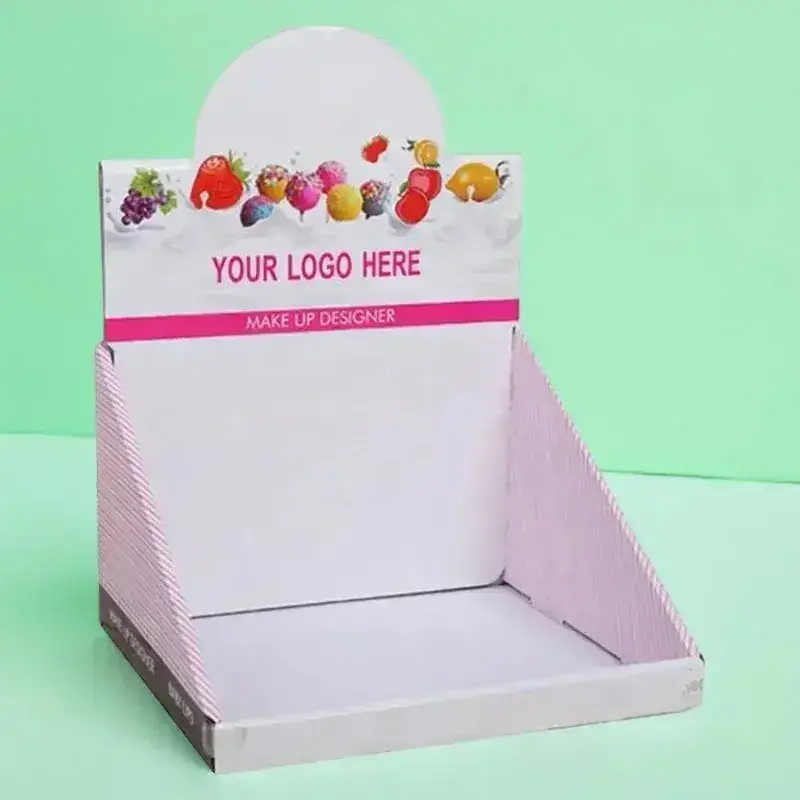
- Counter display unit the smallest pop display we run
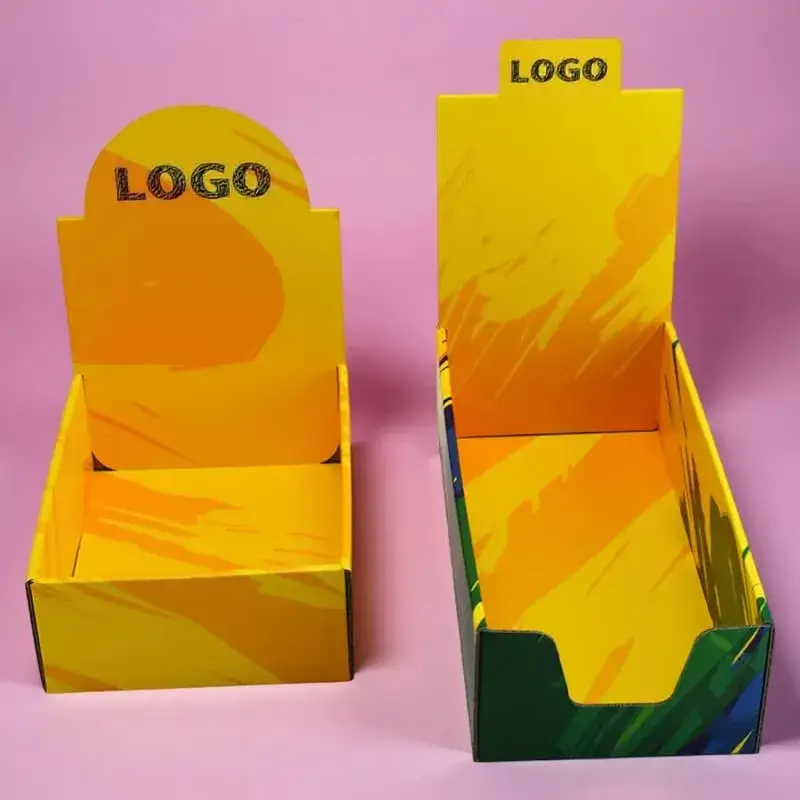
- Floor standing tower for aisle ends and entrances
- Shipper display arriving filled and opening in one action
- Pallet display seasonal and bulk promotional volume
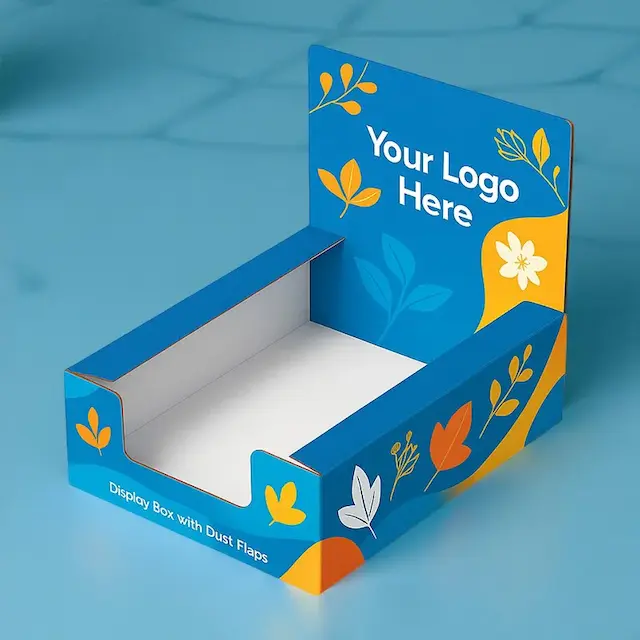
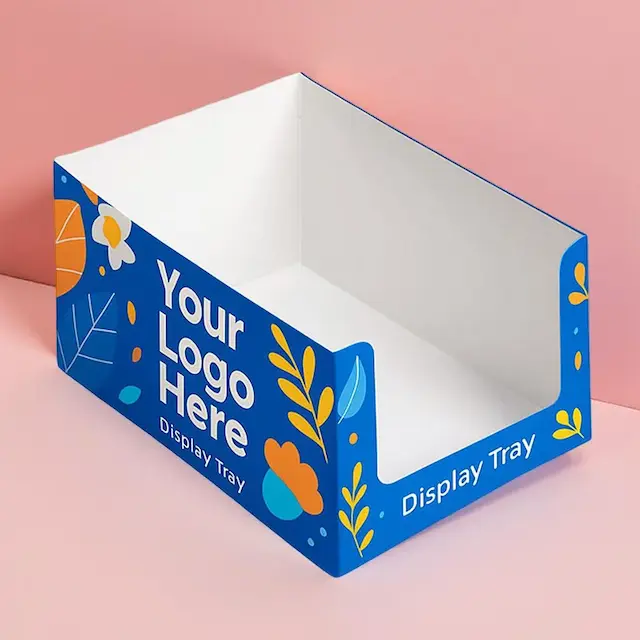
- Shelf ready tray sitting within an existing fixture
- Tiered stepped unit rows visible behind the front
Sizes We Print Regular
Every pop display is built to your product and position, though these run often:
- 10" x 7" x 5" for a counter unit
- 12" x 9" x 6" for a larger till point format
- 16" x 12" x 60" for a floor standing tower
- 14" x 10" x 5" for a shelf ready tray
- 40" x 30" x 60" for a pallet display
- 8" x 6" x 4" for a compact counter tray
Tell us the position and the facing count, since those two together set everything else.
Board And Construction
- B flute corrugated as the baseline for a loaded unit
- Double wall for floor standing and pallet formats
- E flute only on small light counter trays
- Litho laminated corrugated for full color retail print
- Reinforced front lip so it holds shape after handling
- Tested tear perforation on any shipper format
Print the inner walls on anything that empties. Those surfaces stay visible for most of the unit's working life on a shop floor.
Choices That Reduce Waste
- Recycled corrugated, standard across these grades
- FSC certified board, certificate available on request
- Soy based ink through the whole run
- No lamination, so the unit recycles after the campaign
- One structure reused across several promotions
- Right sizing so you ship product rather than air
How A Project Runs With Us
- 100 unit minimum, so you can test before rolling out
- Free 3D mockup and flat proof before anything prints
- Free dieline drawn by our own designer
- Physical sample on request to test the tear and load
- Urgent turnaround at 5 to 8 business days
- Free shipping worldwide with nothing hidden
Frequently Asked Questions
Which format should we choose?
It depends entirely on the position. Tell us where the retailer will place it and we will spec around that.
Why do retailers refuse displays?
Usually footprint or store labor. A unit needing assembly in store is far more likely to be declined.
How much is a POP display?
Rough estimate is $0.85 to $2.20 per unit for a counter format, $1.70 to $3.80 with litho print and $4.00 to $9.00 for floor standing at moderate quantity. Size moves it. Shipping is included in our price. This is estimate only, so ask our team for a exact quote.
Should it ship pre filled?
Where possible, yes. It removes work from the store and guarantees the layout is correct on arrival.
Will it look tidy at half empty?
With a front lip and tiering, yes. Most of a unit's life is spent partly sold through, so that matters.
Can one structure cover several campaigns?
Yes, and we would recommend it. Keep the dieline and change the artwork each season.
Do you do pallet displays?
We do, in double wall with a reinforced base. Those carry serious weight and need specifying carefully.