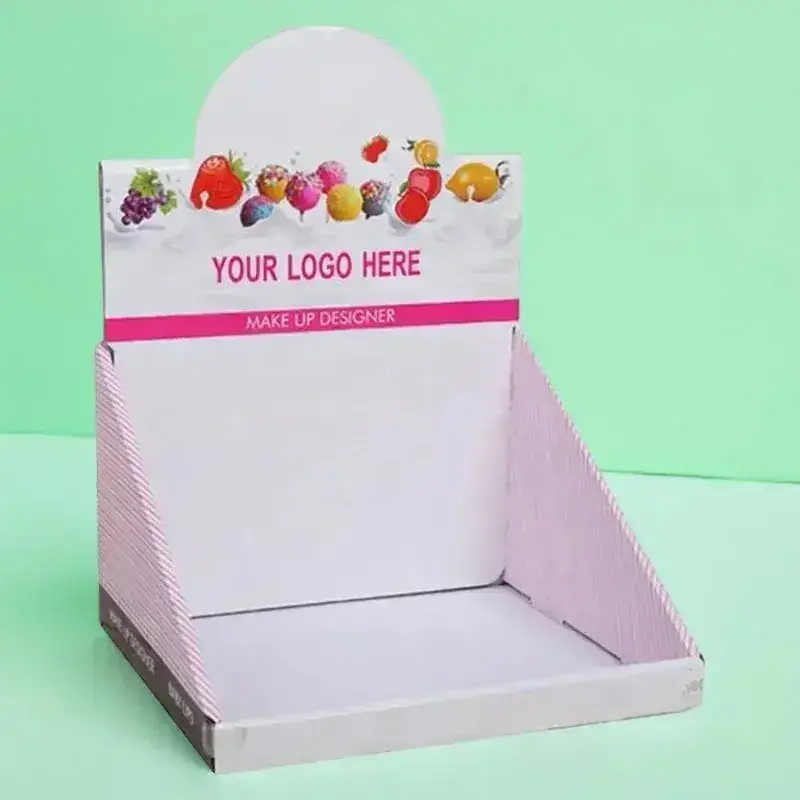
Custom Display Trays
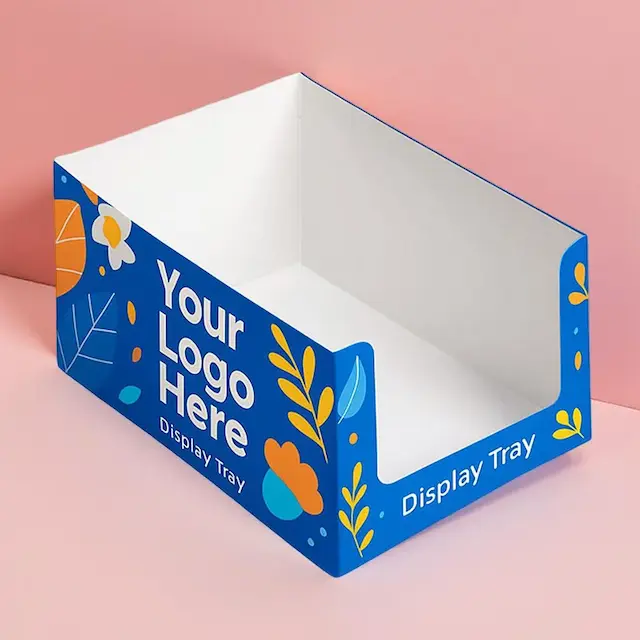
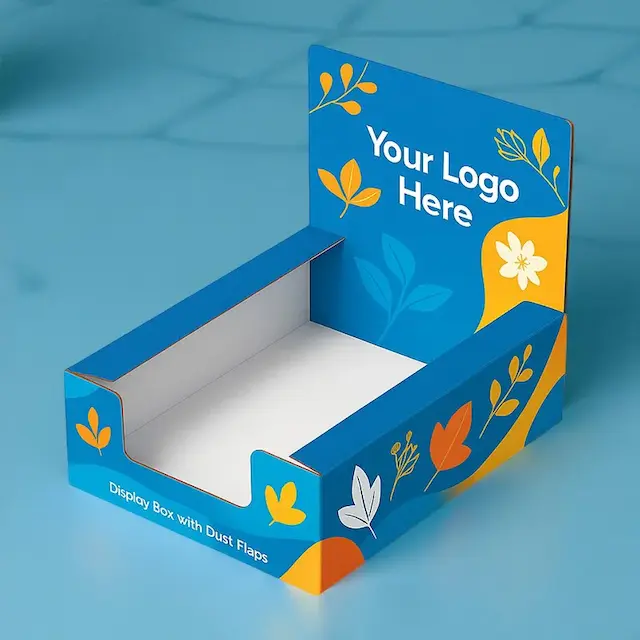
A display tray is the most stripped back retail unit there is. No lid, no walls above product height, nothing between the shopper and what you are selling. That simplicity is why it costs so little and why it works so well for fast moving lines. We produce a lot of display tray work at ZEE Packaging and the low shallow profile is the entire point.
Nothing In The Way
A display tray removes every barrier to picking something up.
- Shallow sides mean product is visible immediately
- Shoppers reach in without lifting or opening anything
- It uses less board than any walled display unit
- Restocking takes seconds, so staff actually do it
- It stacks flat when empty, saving storage space
- The lowest cost route to organized retail presentation
Most brands ordering a display tray want the cheapest way to make loose stock look deliberate.
Shallow Sides Need Support
Low walls create their own engineering problem.
- Nothing braces the sides, so they splay under load
- Corner locks or glue points keep the tray square
- A reinforced rim stops the edges softening with handling
- Heavier product needs a heavier grade than you would expect
- The base carries everything, since the walls do little
- Stacking trays requires a locating tab or a lip
- Simple four sided tray the standard display tray
- Four corner locked tray doubled walls at each corner
- Front cut down version even lower at the front
- Stackable tray with tabs locating one on another
- Divided tray compartments for multiple SKUs
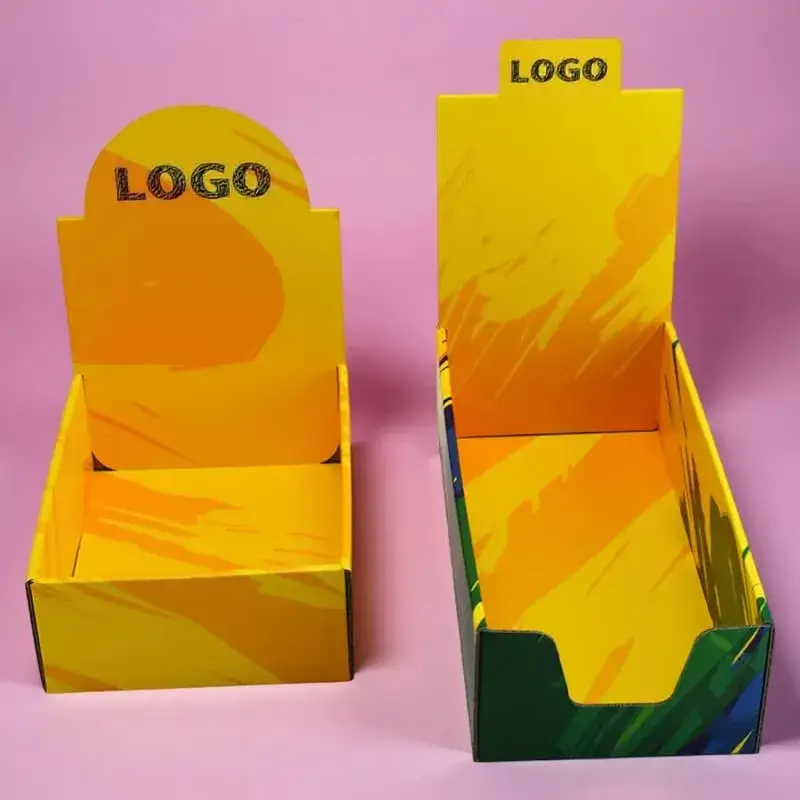
- With a header card branding standing above the unit
Sizes We Print Regular
Every display tray is built to your product, though these run often:
- 10" x 7" x 2" for a small counter tray
- 12" x 9" x 2.5" for a standard format
- 14" x 10" x 3" for a larger unit
- 8" x 6" x 2" for compact items
- 16" x 12" x 3" for a bulk tray
- 12" x 12" x 2" for a square format
Send us the loaded weight, since a shallow tray relies almost entirely on its base.
Board And Print
- E flute corrugated for lighter counter trays
- B flute where the tray carries real weight
- Double wall for large bulk formats
- Litho laminated corrugated for full color retail print
- Kraft corrugated for a plain economical build
- SBS C1S for a lightweight countertop version
Printing the base is worth doing. On a shallow tray the base is visible around and between the products, unlike on a deeper unit.
Materials Worth Choosing
- Recycled corrugated, standard across these grades
- FSC certified board, certificate available on request
- Soy based ink through the whole run
- Uses less board than any walled display format
- No lamination, so it recycles after the campaign
- Right sizing so you ship product rather than air
What Happens On Your Order
- 100 unit minimum, so a small brand can test the format
- Free 3D mockup and flat proof before anything prints
- Free dieline drawn by our own designer
- Physical sample on request to test the load
- Urgent turnaround at 5 to 8 business days
- Free shipping worldwide with nothing hidden
Frequently Asked Questions
Will the sides splay?
Not with corner locks or glue points. A plain folded tray without either splays as soon as it is loaded.
How much is this display tray?
Rough estimate is $0.45 to $1.20 per unit in plain corrugated, $0.80 to $2.00 with print and $1.40 to $3.20 for litho laminated at moderate quantity. Size moves it. Shipping is included in our price. This is estimate only, so ask our team for a exact quote.
How deep should it be?
Shallow enough to show the product, deep enough to hold it. Usually just below the product height works best.
Can trays be stacked?
Yes, with locating tabs or a rim. Without them a stack slides apart the first time somebody knocks it.
Is the base strong enough?
It carries everything on a shallow tray, so we step the grade up compared with a walled unit.
Should we print the base?
We would recommend it. On a shallow tray the base shows between and around the products.
Do they ship flat?
Yes, and they fold in a few seconds. Storage requirement is minimal as a result.
Can we trial one design?
That is exactly what the 100 unit minimum is there for. Load a few, place them, then order in volume.