Custom Half Circular Interlocking
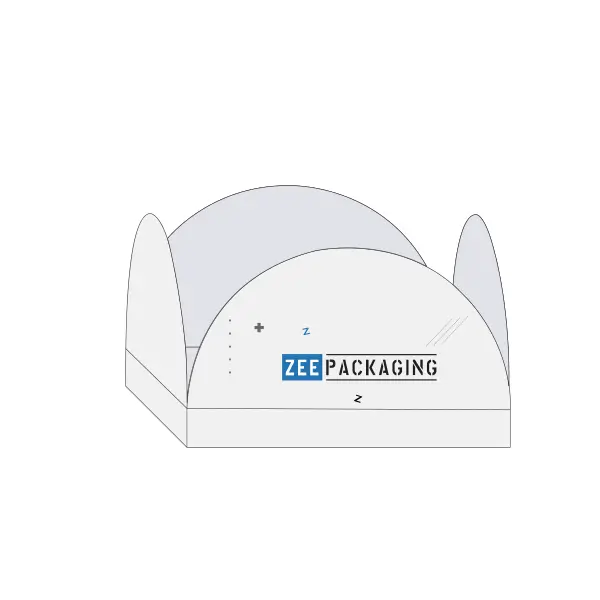
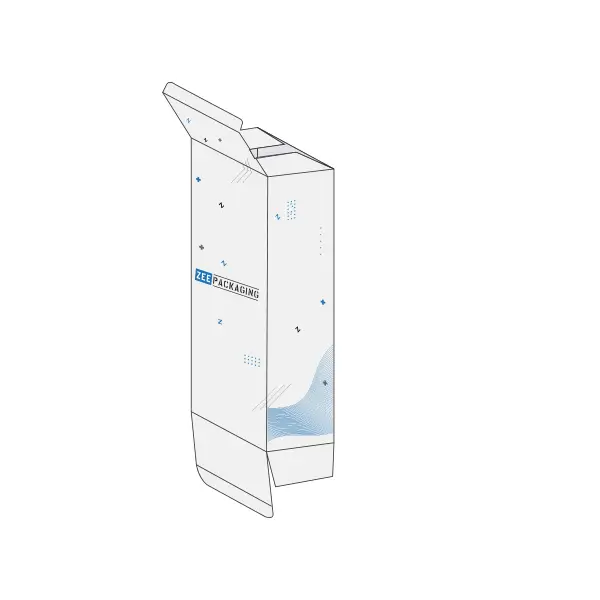
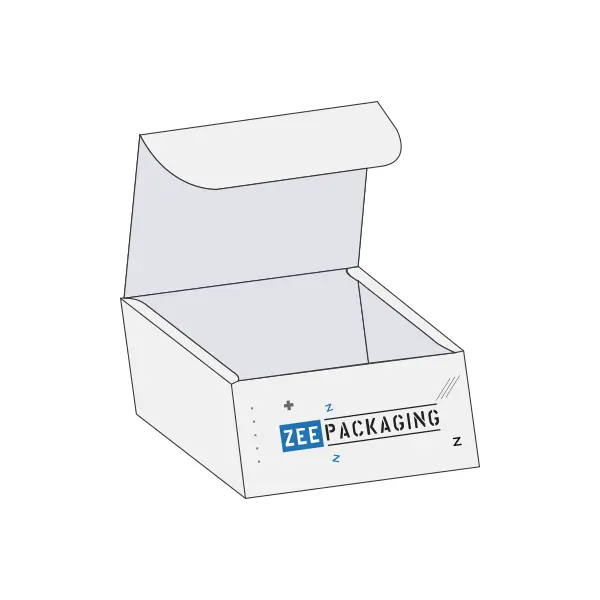
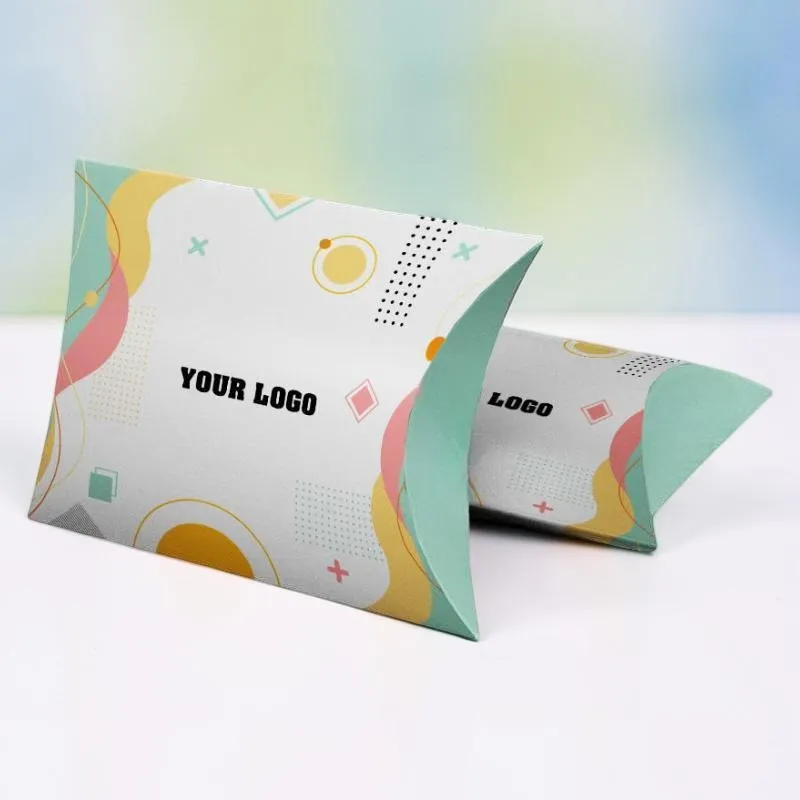
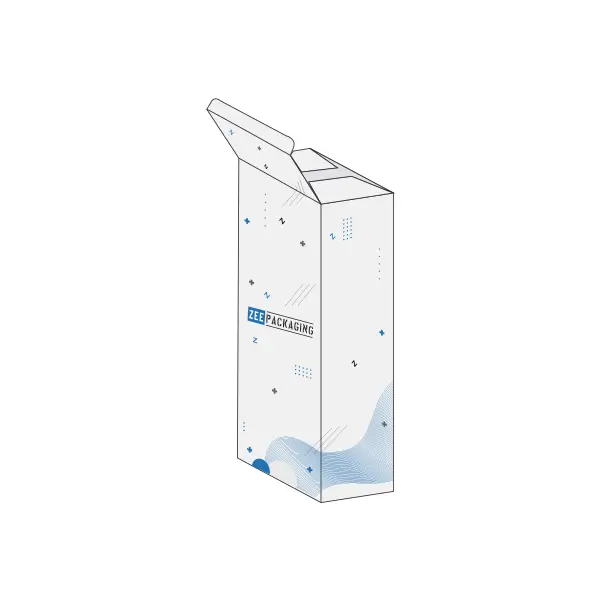
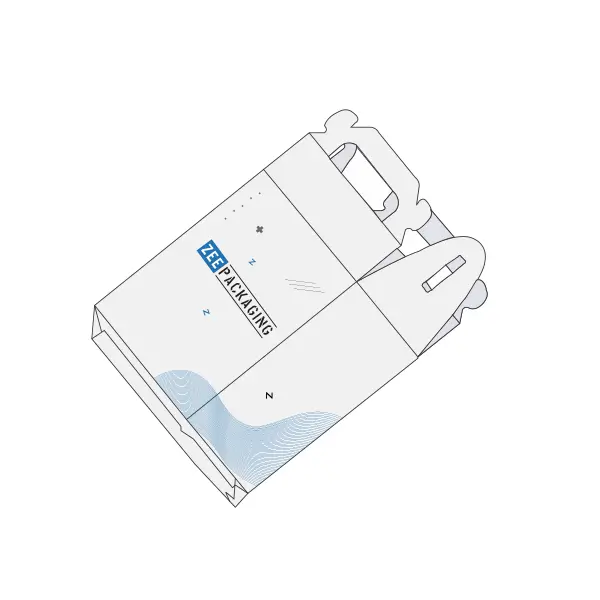
Two curved tabs, each cut as a half circle, that slot into each other and hold the closure shut. It is a small detail and it looks deliberate rather than functional, which is exactly why brands pick it. No glue, no tape, no visible tab sticking out. We produce a lot of half circular interlocking work at ZEE Packaging and the closure doubles as a design feature.
Curves That Hold Each Other
A half circular interlocking closure works through shape alone.
- Two half circle tabs slot into one another
- The curves grip rather than simply overlapping
- No glue or tape is used at the closure
- It looks intentional rather than like a plain tuck
- The closed shape forms a clean circle
- It opens by separating the two curves
Most brands choosing a half circular interlocking closure want something that reads designed rather than purely practical.
The Curve Has To Be Exact
Precision matters more than on a straight tuck.
- Both half circles must match each other perfectly
- Too tight and it is difficult to close
- Too loose and it springs open on its own
- Board caliper affects how the curve engages
- A worn die makes the curve fray at the edge
- We sample the closure rather than trusting a drawing
- Standard half circular interlocking closure the everyday build
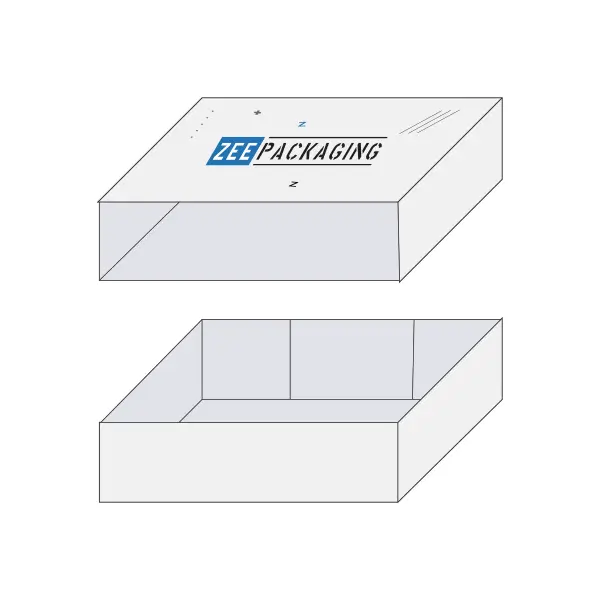
- On a sleeve closing a band around a tray
- On a top flap closing a carton lid
- With a printed detail the circle used as a design element
- Window version showing product through a die cut
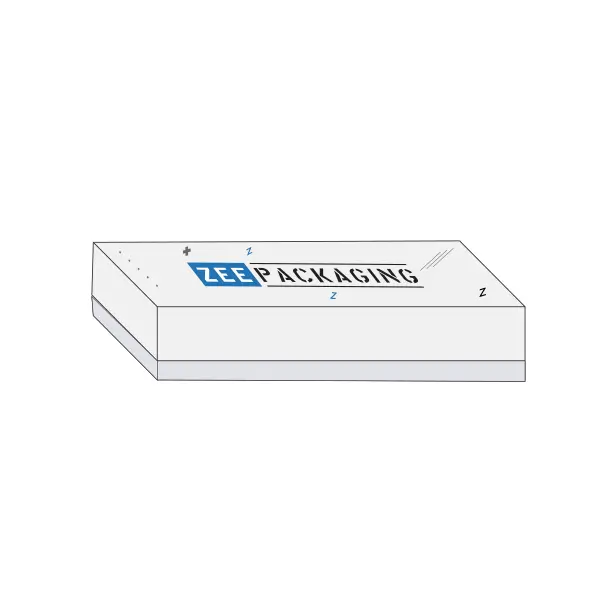
- Combined with a tray sleeve and tray together
Sizes We Print Regular
Every half circular interlocking format is built to your product, though these run often:
- 6" x 4" x 2" for a small gift
- 8" x 6" x 2" for a mid size item
- 3" x 3" x 5" for a candle or jar
- 10" x 8" x 2" for a curated set
- 4" x 4" x 4" for a cube format
- 5" x 3" x 7" for a taller product
Board And Print
- SBS C1S at 16pt to 20pt, since the curve needs to flex
- Kraft board for a natural or artisan position
- Lighter caliper than a plain tuck, so the tabs engage
- Matte, gloss and soft touch lamination
- Foil, spot UV and deboss around the closure detail
- Aqueous coating where recyclability leads
Caliper is the thing to get right here. Heavy board fights the curve, and the tabs will not slot together cleanly if the stock is too stiff.
Materials Worth Choosing
- Recycled board grades, widely available here
- FSC certified stock, certificate available on request
- Soy based ink through the whole run
- No adhesive or tape at the closure
- Aqueous coating rather than plastic lamination
- Right sizing so no board is wasted per unit
How An Order Runs Here
- 100 unit minimum, so a small brand can test the closure
- Free 3D mockup and flat proof before anything prints
- Free dieline drawn by our own designer
- Physical sample on request to test the interlock
- Urgent turnaround at 5 to 8 business days
- Free shipping worldwide with nothing hidden
Frequently Asked Questions
Is the shaped die expensive?
Less than most people assume, and charged once rather than per order. It reuses on every reorder.
Will it stay closed in transit?
For retail handling, yes. For courier shipping we would suggest an outer carton, since curves can work loose.
Which caliper works best?
16pt to 18pt. Heavier board resists the curve and the tabs will not engage cleanly.
How fast does it close?
A second or two once the technique is learned. Slower than a plain tuck, which matters at volume.
What is the pricing for half-circle interlocking modules?
Rough estimate is $0.25 to $0.70 per unit plain, $0.40 to $1.10 with print and $0.65 to $1.60 with finishing at moderate quantity. Tooling is a small one off. Shipping is included in our price. This is estimate only, so ask our team for a exact quote.
Can the closure be printed?
Yes, and it is worth doing. The circular detail is what draws the eye when the pack is closed.
Does it hold weight?
The closure is decorative rather than structural. For weight we would add a glued or locked base.