Custom Glass Carrier
Glass gives no warning before it fails. A chip taken in transit sits unnoticed until pressure or temperature finds it, and by then the product is somebody else's problem. Carrying several pieces of glass in one board structure demands more care than almost anything else we make. We produce a lot of glass carrier work at ZEE Packaging and separation is where every specification starts.
Glass Must Never Touch Glass
A glass carrier keeps every piece apart.
- Contact between pieces causes chips and hairline cracks
- Full height dividers between every cell
- Neck and rim clearance matters as much as body separation
- A snug cell stops rattling during transit
- Chips often fail later rather than immediately
- Condensation from chilled glass softens uncoated board
Most glass carrier failures we get asked to fix are contact damage rather than a structural collapse.
Weight Concentrates At The Handle
Glass is heavy for its size.
- Several pieces of glass is a serious load
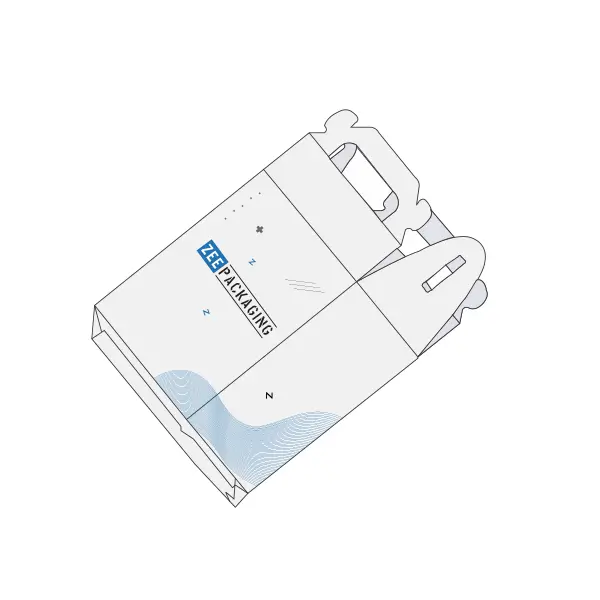
- All of it hangs from one folded handle area
- An unreinforced handle tears on the first carry
- The base takes everything when it is set down
- Corner strength matters when it is put down hard
- Send us the filled weight rather than dimensions alone
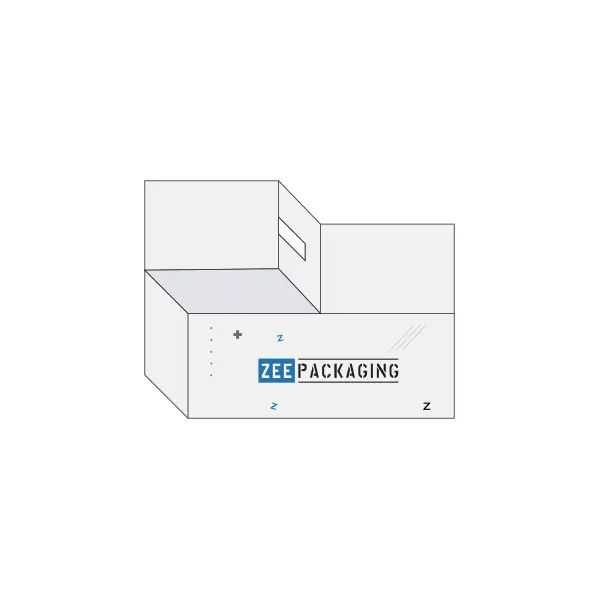
- Basket style with a center handle the classic glass carrier
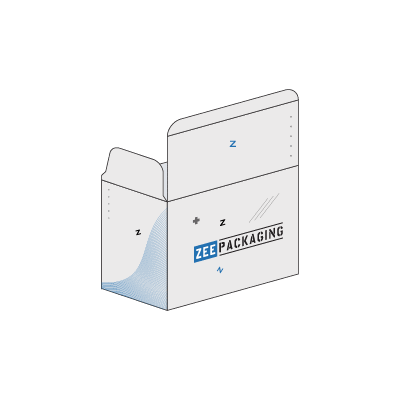
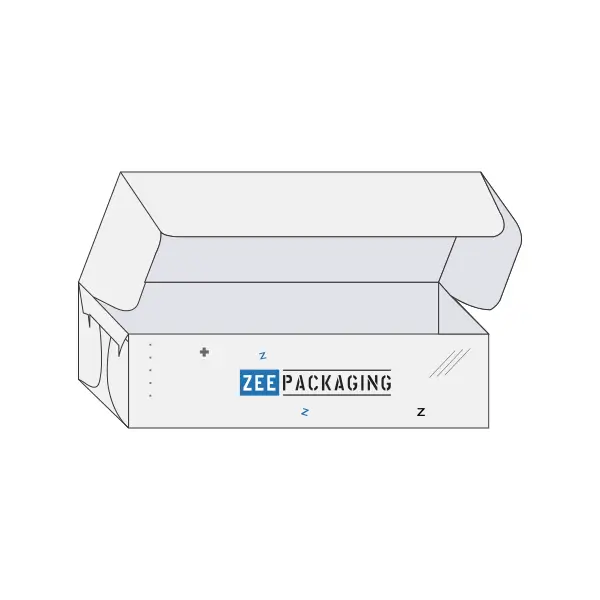
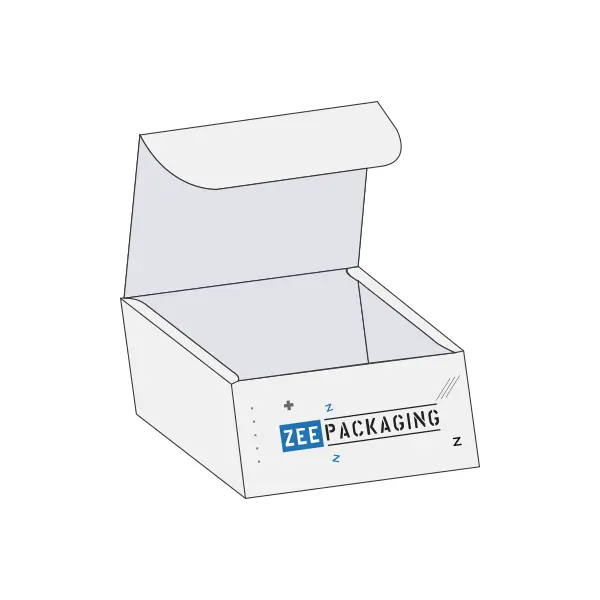
- Fully enclosed carton more protection for transit
- Open top carrier glass visible, lowest cost
- With a fence partition a cell for every piece
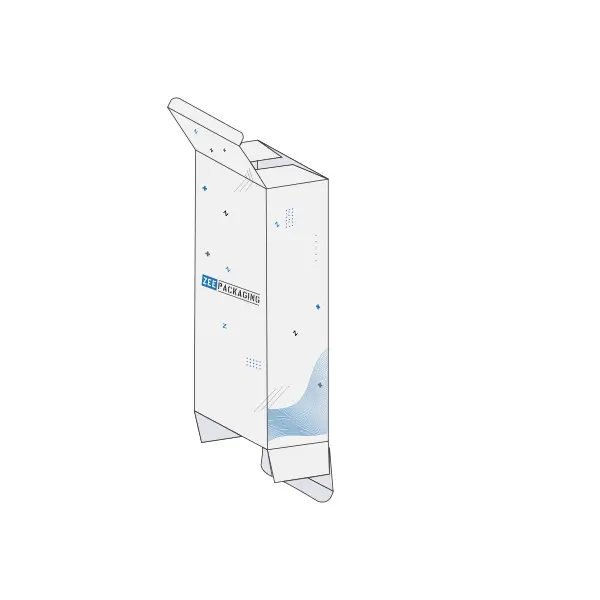
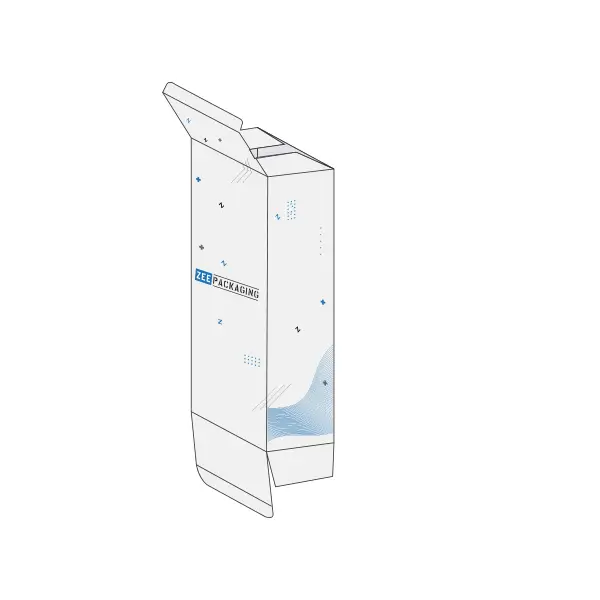
- Tall format for bottles and stemware
- Wraparound printed version full color branding
Sizes We Print Regular
Every glass carrier is built to your product, though these run often:
- 8" x 5.5" x 9" for six standard bottles
- 5" x 5" x 9" for a four pack
- 9" x 6" x 11" for tall bottles
- 10" x 8" x 8" for jars or tumblers
- 8" x 8" x 10" for stemware
- 12" x 9" x 10" for a mixed set
Send us an actual piece, since rim shape and shoulder profile both affect how it sits.
Board And Construction
- B flute corrugated as a minimum for glass
- Double wall where the load is heavy or carriers stack
- Litho laminated corrugated for full color retail print
- Reinforced handle area, without exception
- Coated inner face against condensation
- Full height dividers across every cell
We would rather over specify than deal with breakage. Board costs pennies and a broken bottle costs the product, the packaging and the customer's confidence.
Materials Worth Choosing
- Recycled corrugated, standard across these grades
- FSC certified board, certificate available on request
- Soy based ink through the whole run
- Board replacing plastic rings and foam entirely
- No lamination, so it recycles curbside
- Right sizing so nothing shifts in transit
How An Order Runs With Us
- 100 unit minimum, so a small producer can order properly
- Free 3D mockup and flat proof before anything prints
- Free dieline drawn by our own designer
- Physical sample on request to test with filled glass
- Urgent turnaround at 5 to 8 business days
- Free shipping worldwide with nothing hidden
Frequently Asked Questions
Are dividers really necessary?
Absolutely. Glass against glass chips, and a chipped piece often fails later rather than immediately.
Will the handle hold?
With reinforcement, yes. An unreinforced die cut handle tears immediately under the weight of loaded glass.
Which flute for glass?
B flute at minimum, double wall where carriers stack on a pallet. Glass is heavier than it looks.
Will condensation ruin it?
Uncoated board softens on chilled glass. A coated inner face handles it without going limp.
Can it replace plastic and foam?
Yes, and most producers have switched. Board performs well and recycles with the rest of the pack.
Does it ship flat?
Yes, and it folds in a few seconds. Partitions slot in separately.
What's the price of a glass carrier?
Rough estimate is $0.55 to $1.40 per unit in plain corrugated, $0.95 to $2.30 with print and $1.70 to $3.80 for litho laminated at moderate quantity. Size moves it. Shipping is included in our price. This is estimate only, so ask our team for a exact quote.