Custom Full Overlap Seal End
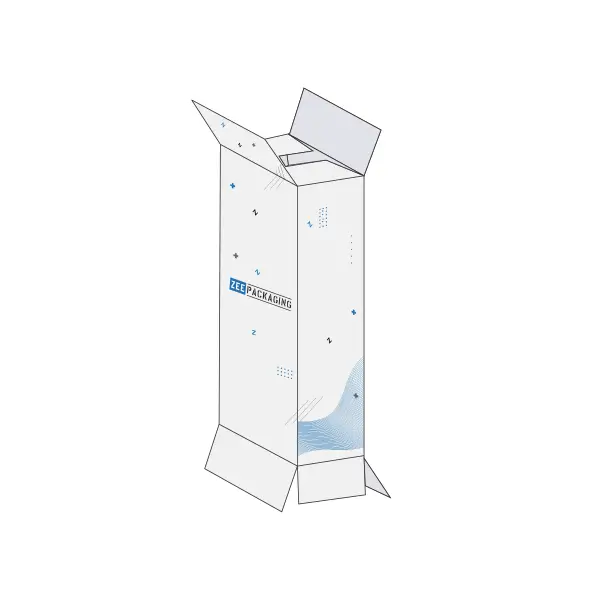
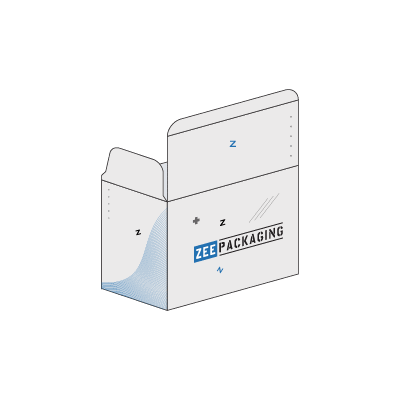
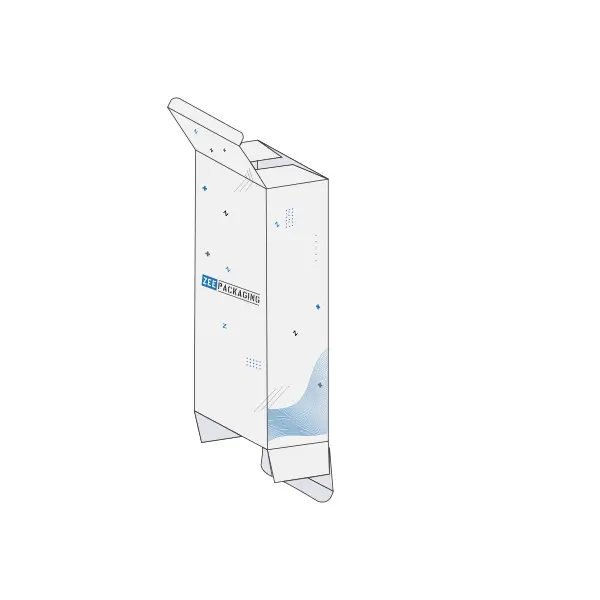
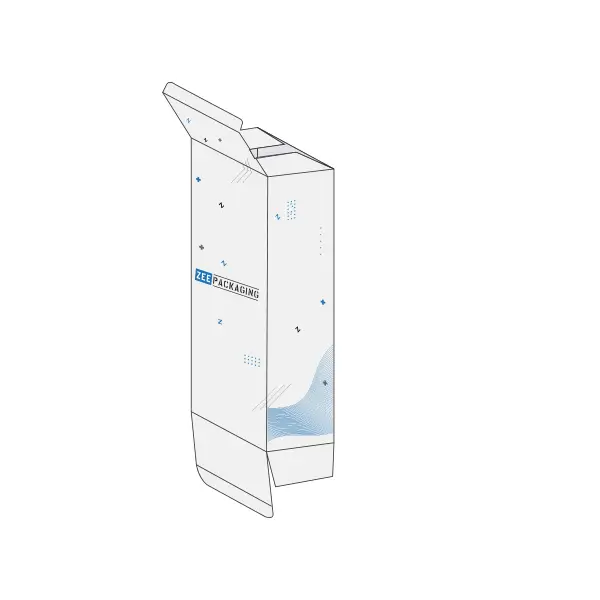
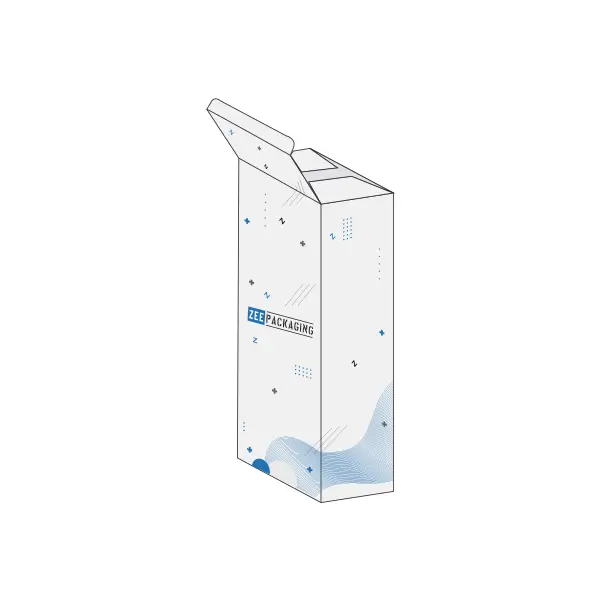
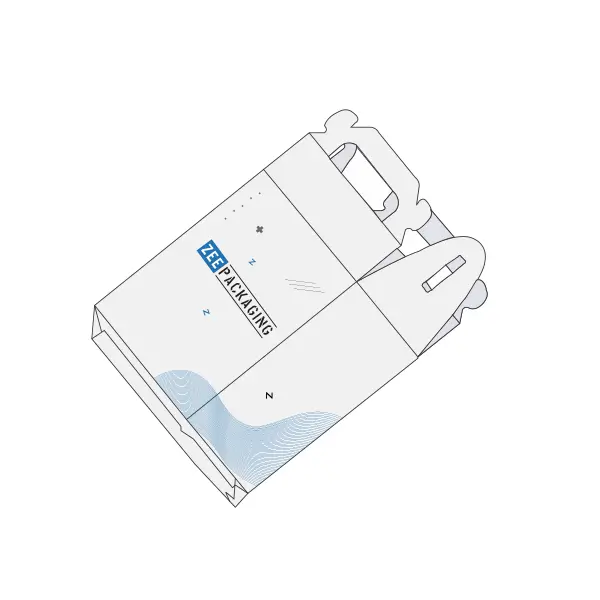
A seal end carton is glued closed at both ends rather than tucked, which is why food and pharma use it. Extending the outer flaps so they overlap completely doubles the board across both end panels. You get a sealed carton with reinforced ends from a single construction. We produce a lot of full overlap seal end work at ZEE Packaging and the doubled ends are what set it apart.
Sealed And Doubled
A full overlap seal end closes with glue on both ends.
- Outer flaps extend the full width and overlap
- That gives double board thickness at each end
- Both ends are glued rather than tucked
- Opening requires tearing, which shows tamper evidence
- No seam sits where impact usually lands
- It runs on automated filling and sealing lines
Most brands choosing a full overlap seal end need a sealed carton with more end strength than a standard build offers.
Built For Automated Lines
This format exists for high volume production.
- Cartons feed from a magazine into the filler
- Ends are glued and sealed as part of the run
- No manual folding is involved at any stage
- Consistent gluing gives consistent seal strength
- It suits food, pharma and household products
- Tell us your line and we build to its requirements
- Standard full overlap seal end the everyday build we run
- With a tear strip opening cleanly for the customer
- With a perforated end controlled opening
- Window version showing product through a die cut
- Corrugated format for heavier shipping applications
- Food grade version for direct food contact
Sizes We Print Regular
Every full overlap seal end carton is built to your product, though these run often:
- 3" x 2" x 6" for a standard retail item
- 4" x 3" x 8" for a larger product
- 2" x 2" x 5" for a small format
- 6" x 4" x 9" for a bulkier item
- 5" x 3" x 7" for a mid size product
- 8" x 6" x 10" for a large carton
Send us the filled weight and your line specification, since both affect the build.
Board And Print
- SBS C1S at 18pt to 24pt for retail applications
- CCNB and duplex where a grey back is acceptable
- Kraft board for a natural position
- Corrugated for heavier shipping formats
- Matte, gloss and soft touch lamination
- Food grade certified stock where required
Glue coverage on the end flaps is what determines seal strength. We specify it against your product weight rather than applying a standard pattern.
Materials Worth Choosing
- Recycled board grades, widely available here
- FSC certified stock, certificate available on request
- Soy based ink through the whole run
- Water based adhesive on the sealed ends
- No tape needed anywhere
- Right sizing so no board is wasted per carton
What Happens On Your Order
- 100 unit minimum, so a small brand can order properly
- Free 3D mockup and flat proof before anything prints
- Free dieline drawn by our own designer
- Physical sample on request to test the seal
- Urgent turnaround at 5 to 8 business days
- Free shipping worldwide with nothing hidden
Frequently Asked Questions
How is it different to a tuck end?
The ends are glued shut rather than tucked. That gives tamper evidence and considerably more strength.
How much does a full overlap seal end carton cost?
Rough estimate is $0.20 to $0.60 per unit plain, $0.32 to $0.85 with print and $0.50 to $1.30 with finishing at moderate quantity. Volume moves it. Shipping is included in our price. This is estimate only, so ask our team for a exact quote.
Do we need automated equipment?
Not necessarily, though this format suits it. Hand sealing is possible but slower than a tuck end.
Is it tamper evident?
Inherently, since opening requires tearing the glued end. That is one reason pharma and food use it.
How does the customer open it?
A tear strip or perforation is worth adding. Without one, opening a sealed end can be awkward.
Does the overlap add much cost?
A little more board than a standard seal end. The end strength usually justifies it on heavier products.
Is it suitable for food?
Yes, in food grade stock. It is one of the most common formats in food packaging.