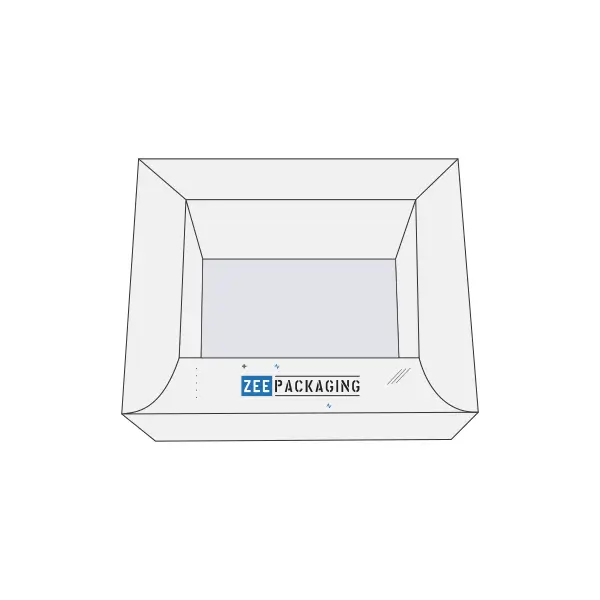
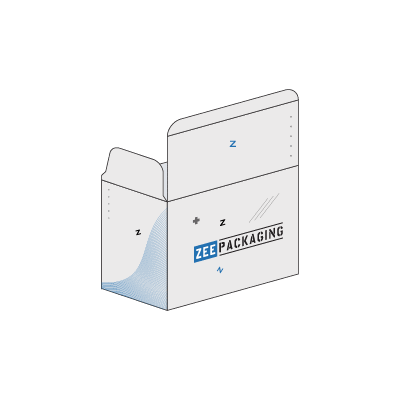
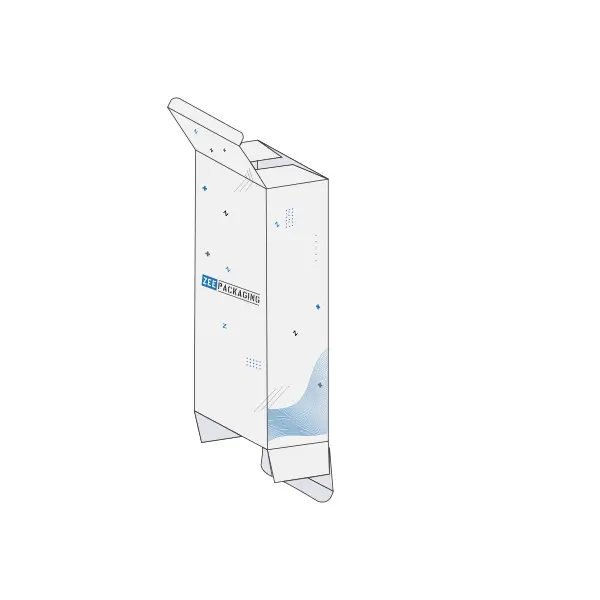
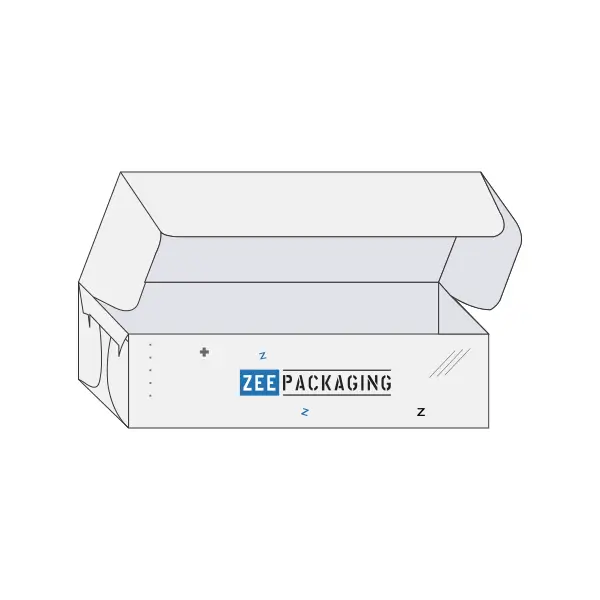
Custom Double Wall Frame Tray
A frame tray folds the board back over the top edge, creating a finished rim rather than an exposed cut edge. Combine that with doubled walls and you get a tray that looks finished from every angle and holds its shape under weight. We produce a lot of double wall frame tray work at ZEE Packaging and the framed edge is what separates it visually from an ordinary tray.
A Finished Edge All Round
A double wall frame tray hides every raw cut edge.
- The board folds over the top to create a rim
- No exposed corrugated edge showing on display
- The frame looks deliberate rather than cut off
- Doubled walls keep the tray square under load
- The rim resists softening through repeated handling
- It reads as a considered unit rather than a shipping tray
Most brands choosing a double wall frame tray want a retail unit that does not look like a converted carton.
Strength Plus Presentation
This build serves two purposes at once.
- Doubled walls carry considerably more weight
- The framed rim finishes the appearance
- Corners resist crushing during transit
- It stacks without the rim collapsing
- Store staff handle it repeatedly without damage
- It looks acceptable even at the end of a campaign
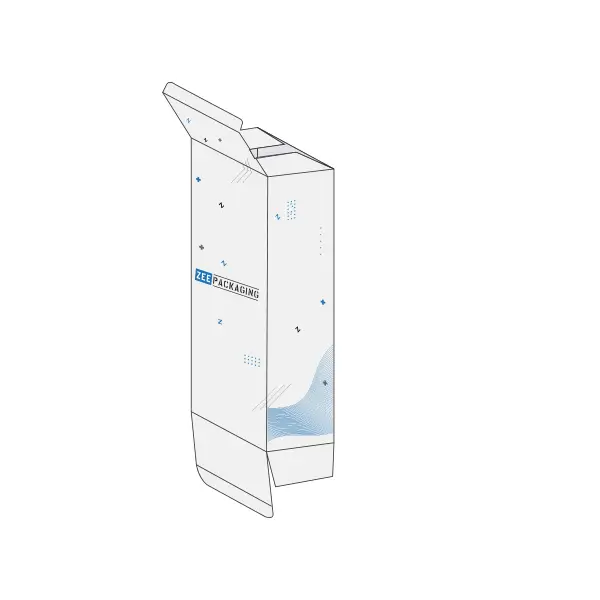
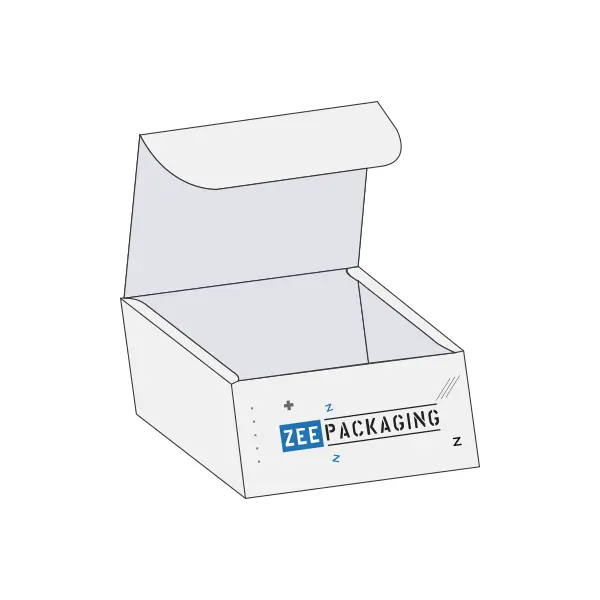
- Open frame tray the standard double wall frame tray
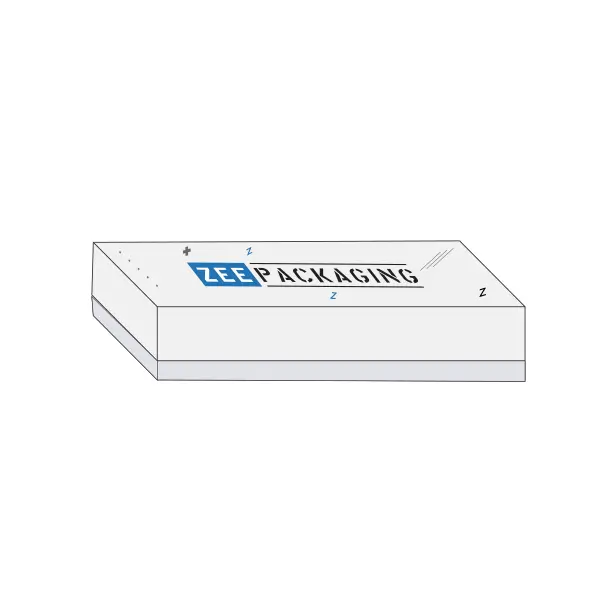
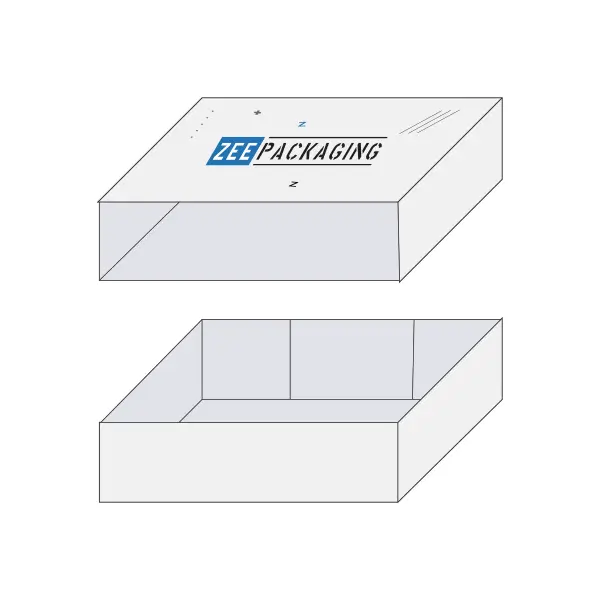
- With a removable lid shipping sealed then opening
- Front cut down version product visible from the front
- Tiered stepped format rows visible behind the front
- Divided tray compartments for several SKUs
- With a header card branding above the unit
Sizes We Print Regular
Every double wall frame tray is built to your product, though these run often:
- 10" x 8" x 4" for a standard counter unit
- 12" x 9" x 5" for a larger display
- 14" x 10" x 5" for a heavier range
- 8" x 6" x 3" for a compact tray
- 16" x 12" x 6" for a bulk display
- 18" x 12" x 6" for a floor level format
Send us the loaded weight, since the doubled construction exists specifically to carry it.
Board And Print
- B flute corrugated as the baseline for the doubled walls
- C flute where more cushioning matters
- Litho laminated corrugated for full color retail print
- Kraft corrugated for a plain economical build
- Reinforced front lip on any cut down format
- Printed inner walls, visible as product sells through
Worth clarifying the terminology, since it confuses people. This folds the board twice, whereas double wall board is a different material with two flutes.
Materials Worth Choosing
- Recycled corrugated, standard across these grades
- FSC certified board, certificate available on request
- Soy based ink through the whole run
- More board used, though the unit lasts a full campaign
- No lamination, so it recycles at end of life
- Right sizing so you ship product rather than air
What Ordering Involves With Us
- 100 unit minimum, so a small brand can test the format
- Free 3D mockup and flat proof before anything prints
- Free dieline drawn by our own designer
- Physical sample on request to test under real load
- Urgent turnaround at 5 to 8 business days
- Free shipping worldwide with nothing hidden
Frequently Asked Questions
How much is a double wall frame tray?
Rough estimate is $0.85 to $2.10 per unit in plain corrugated, $1.40 to $3.20 with print and $2.20 to $4.80 for litho laminated at moderate quantity. Size moves it. Shipping is included in our price. This is estimate only, so ask our team for a exact quote.
Is it the same as double wall board?
No, and the terms get confused. This folds the board twice, whereas double wall board has two flutes in the material.
What does the frame actually do?
It hides the raw cut edge at the top. Without it you see exposed corrugated flute, which looks unfinished.
How much stronger is it?
Noticeably on wall rigidity. A single wall tray bows outward under weight, whereas this holds square.
Does it use more board?
Yes, since each wall is two layers plus the fold. That buys you a unit that survives a whole campaign.
When is it unnecessary?
For light product like sachets or cards. Single wall handles those perfectly well at lower cost.
Can it ship pre filled?
Yes, with a lid over the top. That saves store labor and protects product in transit.