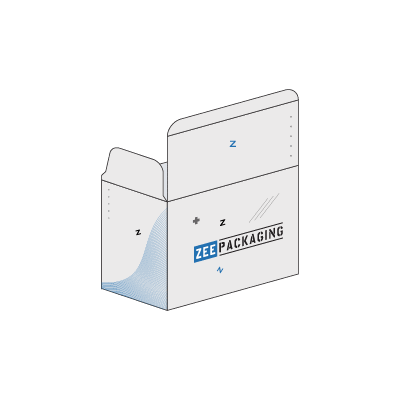
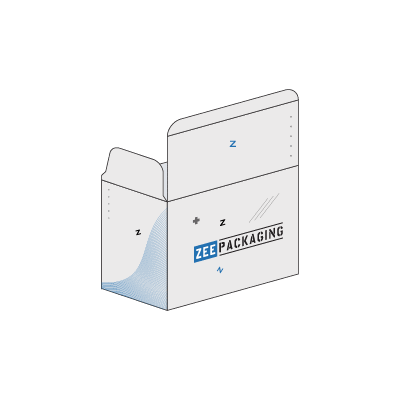
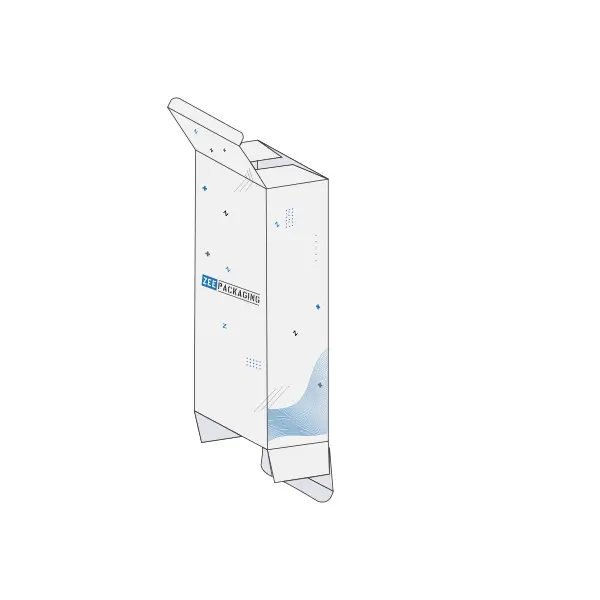
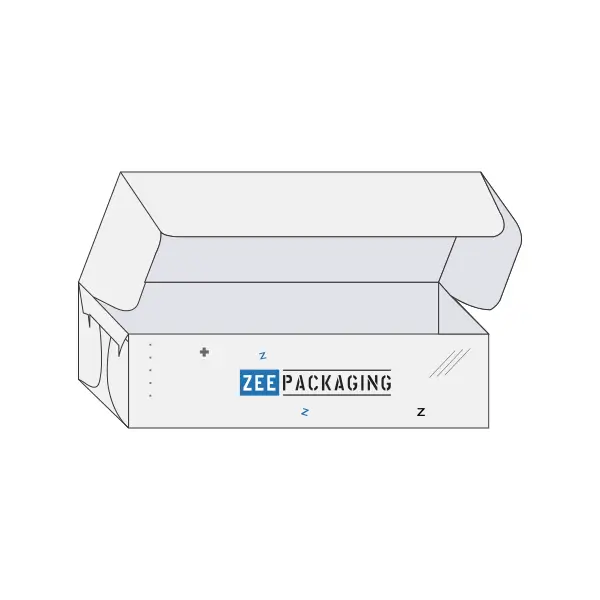
Custom Crash Bottom Boxes
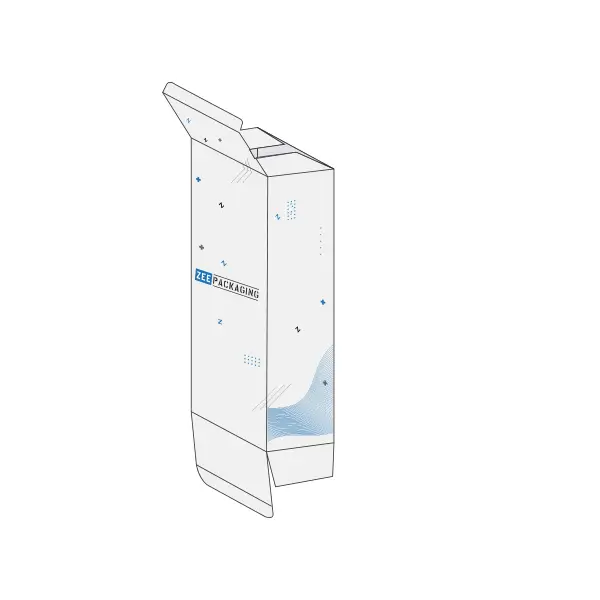
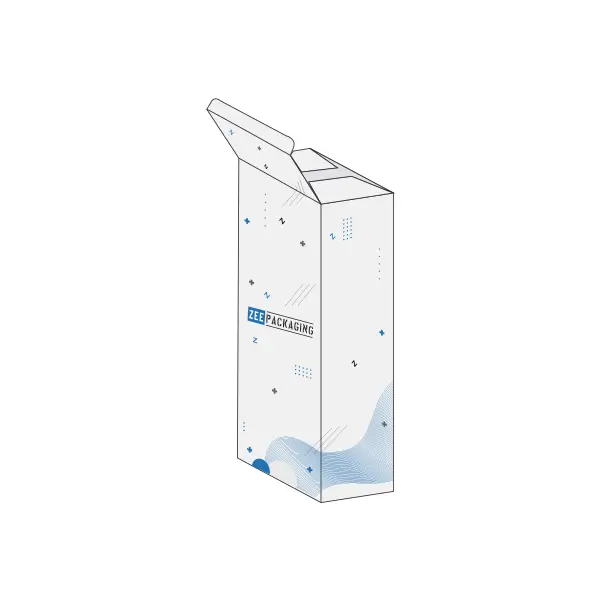
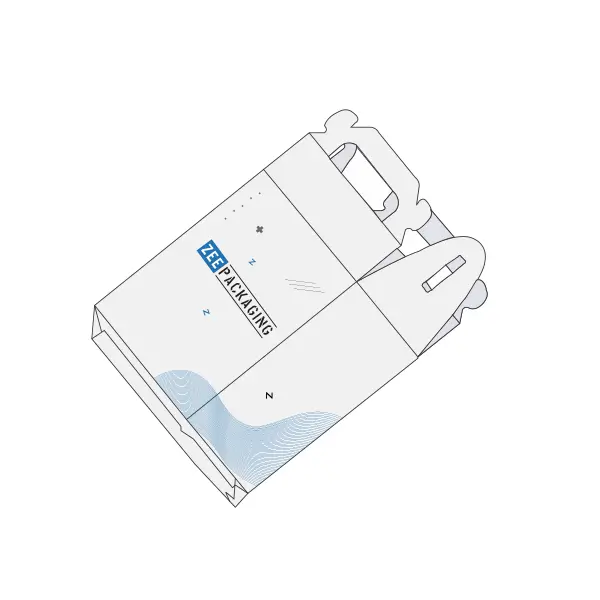
Crash bottom is the same construction as an auto lock, and the two names get used interchangeably across the industry. The base is glued during production, arrives flat, and crashes into shape the instant somebody opens the carton. That is where the name comes from. We produce a lot of crash bottom boxes at ZEE Packaging and the speed is what most operators want from them.
It Crashes Into Shape
Crash bottom boxes need no folding at all.
- Base panels are glued at our factory before shipping
- Opening the flat carton locks the bottom instantly
- Under a second per unit, with nothing to learn
- Temporary staff get it right without any training
- The glued base holds far more weight than a tuck
- It still ships completely flat despite the pre gluing
Most brands moving to crash bottom boxes do so because their packing bench was slowed by folding bases by hand.
When The Glue Is Worth Paying For
Gluing costs more, so it should earn that back.
- Heavy products that would burst a tuck end open
- High volume filling where seconds matter
- Glass, liquids and anything with real density
- Multipacks and bundled items
- Cartons lifted repeatedly by the base
- Not necessary for light retail items on a shelf
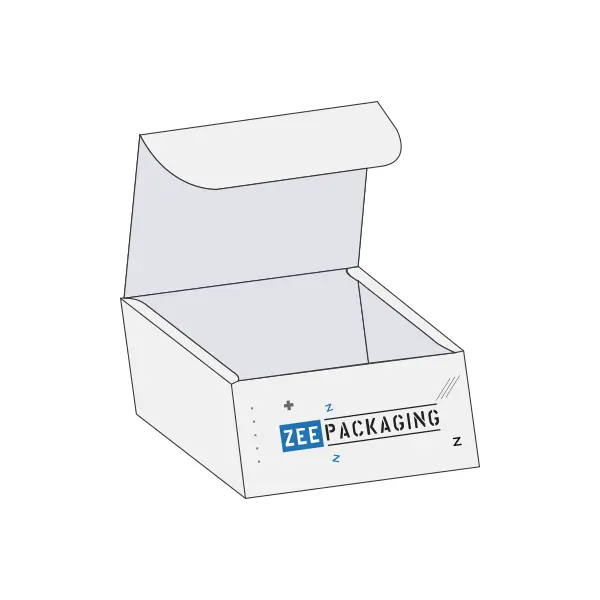
- Crash bottom with a tuck top the everyday crash bottom boxes we run
- With a tongue lock top resisting accidental opening
- Window version showing the product through a die cut
- With a die cut insert holding contents steady
- Display lid version shipping sealed then opening for retail
- Corrugated crash bottom for heavier shipping applications
Sizes We Print Regular
Every carton is built to your product, though these run often:
- 3" x 3" x 5" for a candle or jar
- 2" x 2" x 6" for a bottle or tube
- 4" x 4" x 6" for a mid size product
- 6" x 4" x 8" for a larger item
- 8" x 6" x 10" for a bulkier product
- 5" x 3" x 7" for a boxed set
Send us the filled weight, since the glue pattern is specified against the load rather than the footprint.
Board And Print
- SBS C1S at 18pt to 24pt for retail applications
- CCNB and duplex where a grey back is acceptable
- Kraft board for a natural or artisan position
- Corrugated for heavier shipping formats
- Matte, gloss and soft touch lamination
- Food grade certified stock where required
The glue seam is what fails if anything does. We sample the base with your actual product weight rather than assuming it will hold.
Materials Worth Choosing
- Recycled board grades, widely available here
- FSC certified stock, certificate available on request
- Soy based ink through the whole run
- Water based adhesive on the glued base
- No tape needed at assembly
- Right sizing so no board is wasted per carton
What Happens On Your Order
- 100 unit minimum, so a small brand can order properly
- Free 3D mockup and flat proof before anything prints
- Free dieline drawn by our own designer
- Physical sample on request to test the base under load
- Urgent turnaround at 5 to 8 business days
- Free shipping worldwide with nothing hidden
Frequently Asked Questions
Is it the same as an auto lock bottom?
Effectively yes. The two names describe the same glued construction and get used interchangeably in the trade.
How much faster than a snap lock?
Roughly a second versus several. Across a large run that becomes real labor cost.
Why the higher unit price?
Gluing is a separate production stage. You pay a little more per carton and save more in assembly time.
How much are crash bottom boxes?
Rough estimate is $0.22 to $0.65 per unit plain, $0.35 to $0.90 with print and $0.55 to $1.40 with finishing at moderate quantity. Volume moves it. Shipping is included in our price. This is estimate only, so ask our team for a exact quote.
How much weight will it hold?
More than any tuck or snap lock base. Send us the filled weight and we specify the glue accordingly.
Do they ship flat?
Yes, despite arriving pre glued. Storage efficiency is unaffected, which is the whole appeal.
Will humidity affect the glue?
Not with the right adhesive. Tell us your warehouse conditions and we spec for them.