Custom Four Corner Tray Tuck Top
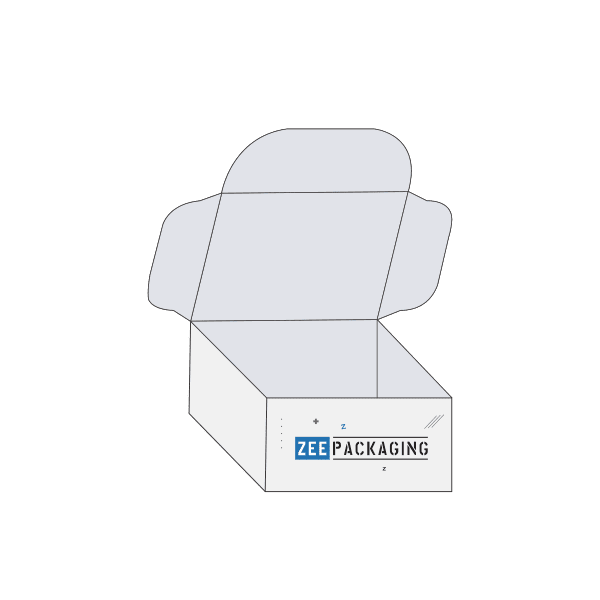
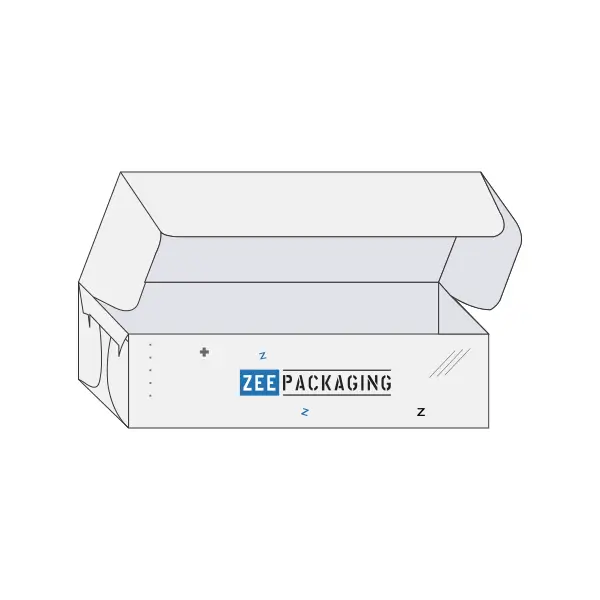
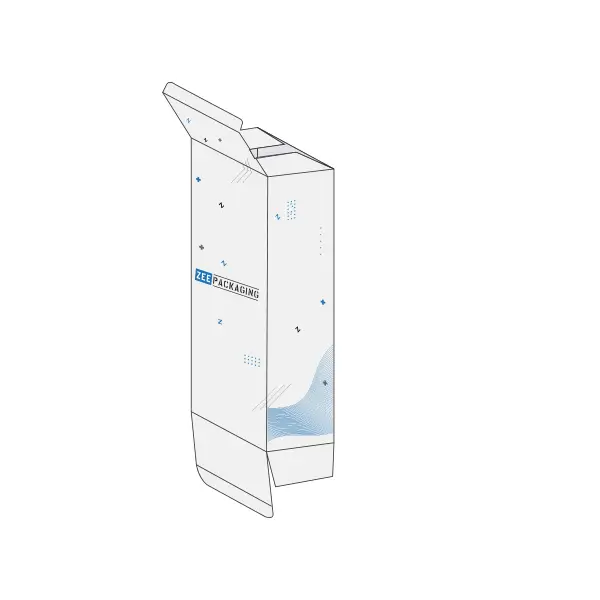
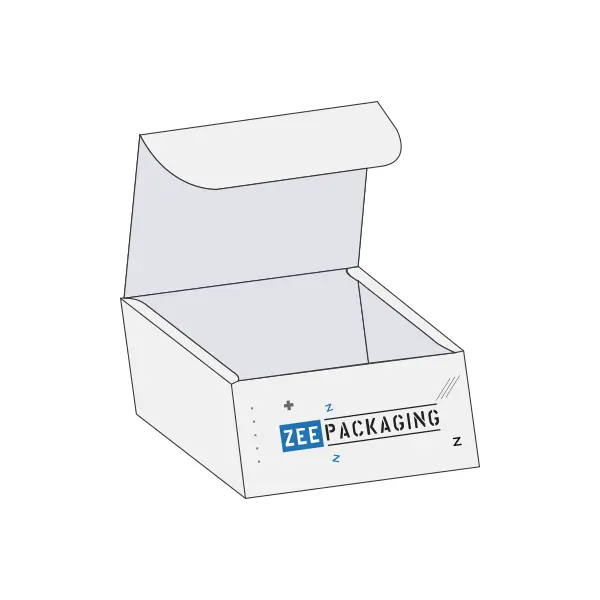
This build gives you a locked corner tray with a lid attached to it rather than supplied separately. The tray holds its walls square, the top folds over and tucks into the front panel, and nothing gets lost between the two halves. One piece, one dieline, one thing to store. We produce a lot of four corner tray tuck top work at ZEE Packaging and the attached lid is what makes it practical.
Tray And Lid In One Piece
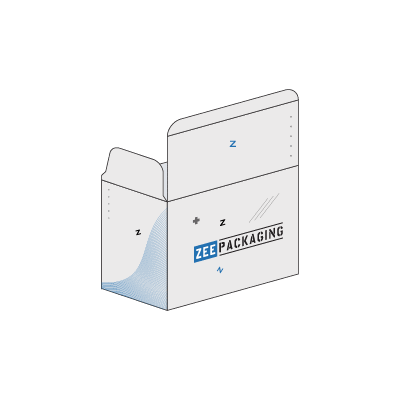
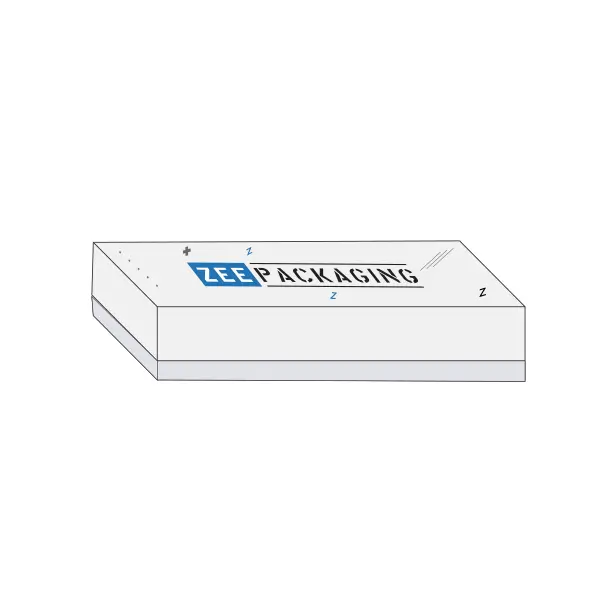
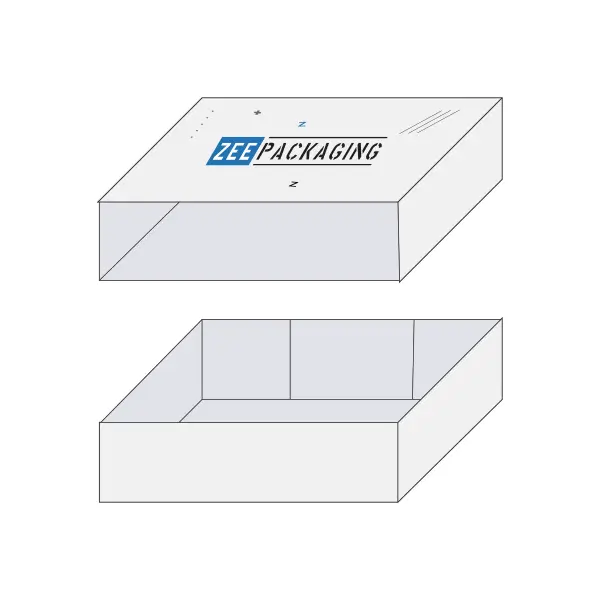
A four corner tray tuck top combines both halves.
- Locked corners hold the tray walls vertical
- The lid is attached rather than separate
- It folds over and tucks into the front panel
- Nothing gets separated or lost in a stockroom
- One dieline covers the whole structure
- No glue or tape is needed anywhere
Most operators choosing a four corner tray tuck top want a lidded tray without managing two components.
Closure And Corner Together
Two structural details working at once.
- The corners lock the walls against splaying
- The tuck front holds the lid closed
- Both rely on tension rather than adhesive
- Tuck depth must suit the loaded height
- A shallow tuck works loose in transit
- We sample both features with your actual product
- Standard four corner tray tuck top the everyday build
- With a tongue lock resisting accidental opening
- Window version showing product through a die cut
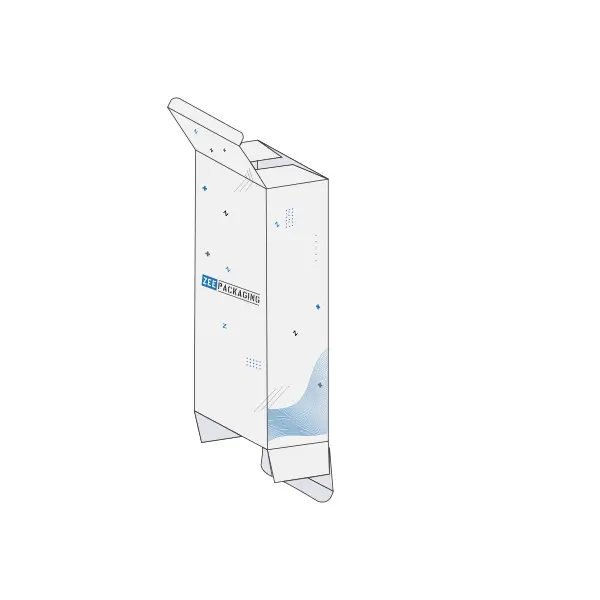
- Deep format for taller products
- Divided version compartments for several SKUs
- Food grade version for bakery and catering use
Sizes We Print Regular
Every four corner tray tuck top is built to your product, though these run often:
- 10" x 7" x 3" for a standard format
- 12" x 9" x 4" for a larger unit
- 8" x 6" x 2" for compact items
- 14" x 10" x 4" for a bulk tray
- 8" x 8" x 4" for a cake or bakery box
- 6" x 4" x 2" for small products
Send us the loaded height as well as the weight, since the tuck is sized against the filled tray.
Board And Print
- SBS C1S at 18pt to 24pt for retail formats
- E flute corrugated for lighter shipping applications
- B flute where the tray carries real weight
- Kraft board for a natural or bakery position
- Litho laminated corrugated for full color print
- Food grade certified stock where food is involved
Overfilling is the most common problem here. A tray loaded above its intended height stops the tuck engaging properly, so we size the depth against a full load rather than an empty tray.
Materials Worth Choosing
- Recycled board and corrugated, standard across these grades
- FSC certified stock, certificate available on request
- Soy based ink through the whole run
- No adhesive or tape at all in the build
- Aqueous coating rather than plastic lamination
- Right sizing so no board is wasted per unit
How Your Order Runs Here
- 100 unit minimum, so a small brand can test the format
- Free 3D mockup and flat proof before anything prints
- Free dieline drawn by our own designer
- Physical sample on request to test the closure when loaded
- Urgent turnaround at 5 to 8 business days
- Free shipping worldwide with nothing hidden
Frequently Asked Questions
Why attach the lid?
So nothing gets separated. Two piece sets end up with mismatched counts in a stockroom, which wastes stock.
How much does a four-corner tray tuck-top box cost?
Rough estimate is $0.40 to $1.10 per unit in plain board, $0.65 to $1.60 with print and $1.20 to $2.80 for litho laminated at moderate quantity. Size moves it. Shipping is included in our price. This is estimate only, so ask our team for a exact quote.
Will the tuck stay closed?
At the right depth, yes. Overfilling is what usually stops the tuck engaging properly.
Does it need glue?
No. The corners lock mechanically and the lid tucks in, so nothing is bonded anywhere.
Can it hold food?
Yes, in food grade stock. It suits bakery and catering formats particularly well.
How fast does it assemble?
A few seconds. The corners fold first, then the tray is ready to fill and close.
Can we add a window?
Yes, usually on the top panel. It works well where seeing the product matters.