Custom Screen Printed Boxes & Screen Printed Packaging
Screen printing pushes ink through a mesh rather than transferring it from a plate. That sounds like a technical detail and it produces a visibly different result. The ink sits on top of the surface with real thickness, which you can feel with a fingertip. We produce a lot of screen printed packaging at ZEE Packaging and that raised ink layer is the whole reason clients choose it.
Ink You Can Actually Feel
A screen printed box carries a thicker ink deposit.
- Ink is pushed through a mesh onto the surface
- The deposit is considerably heavier than offset or digital
- You can feel the printed area with a fingertip
- Opacity is excellent, even on dark board
- White prints solid on black without a grey cast
- Colors sit vividly rather than sinking into the stock
Most brands choosing a screen printed box want a single bold mark with genuine presence.
Where It Beats Other Processes
There are jobs only screen printing handles well.
- White or light ink on dark or black board
- Printing directly onto rigid assembled boxes
- Bold single color logos with real punch
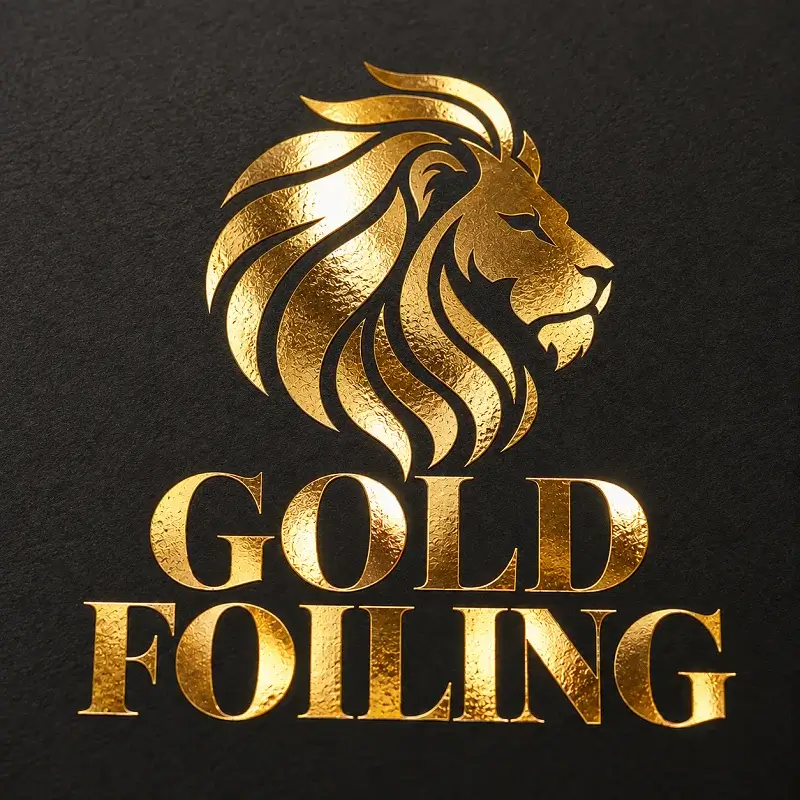
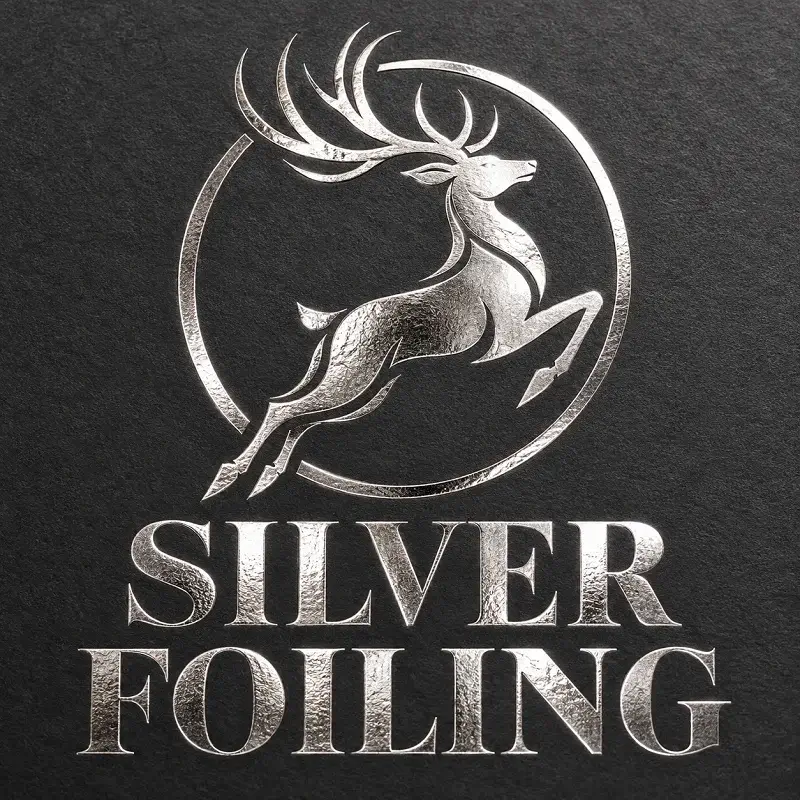
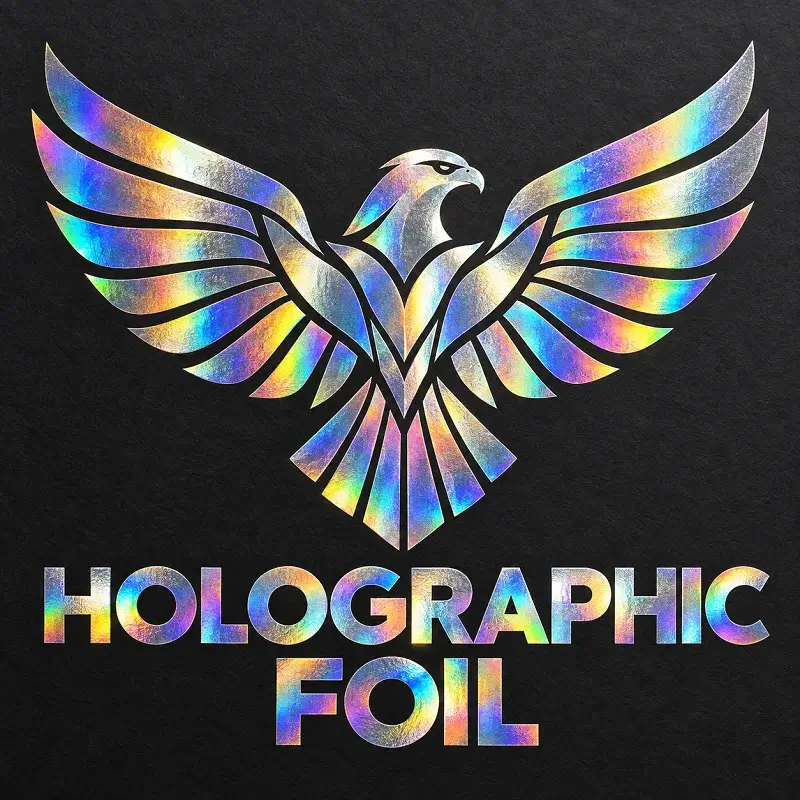
- Specialty inks like fluorescent and metallic
- Printing onto textured stocks that offset struggles with
- Small runs where plate costs would be prohibitive
- Rigid lid and base the classic screen printed box
- Magnetic closure box premium screen printed packaging
- Folding carton a single bold mark on a plain carton
- Drawer slide box printed on the outer sleeve
- Corrugated mailer a simple logo direct onto board
- Printed on assembled rigid after the box is built
Sizes We Print Regular
Every screen printed box is built to your product, though these run often:
- 6" x 4" x 2" for a small gift
- 8" x 6" x 3" for a mid size item
- 10" x 8" x 3" for a curated set
- 4" x 4" x 4" for a candle or jar
- 12" x 9" x 3" for apparel
- 3.5" x 3.5" x 1.5" for jewelry
Inks And Substrates
- Solid opaque inks in any Pantone reference
- White ink on black or dark stock, printing genuinely white
- Metallic, fluorescent and specialty inks
- Uncoated and textured boards, which take screen ink well
- Rigid greyboard, printed after assembly if needed
- Raw kraft, where a single bold color reads beautifully
Screen printing does not handle photographs or gradients. It is a solid color process, so bold graphic work is where it belongs.
Why It Suits Simple Briefs
- Fewer materials involved, since no lamination is needed
- Water based inks available on request
- Recycled and uncoated boards take screen ink well
- FSC certified stock, certificate available on request
- No plastic film added, so recycling stays straightforward
- Right sizing so no board is wasted per unit
A single screen printed color on raw board is one of the lowest impact branded options we offer.
What Working With Us Looks Like
- 100 unit minimum, which screen printing handles economically
- Free 3D mockup and flat proof before anything prints
- Free dieline drawn by our own designer
- Physical sample on request to feel the ink deposit
- Urgent turnaround at 5 to 8 business days
- Free shipping worldwide with nothing hidden
Frequently Asked Questions
Can it print photographs?
No. Screen printing handles solid colors and bold shapes rather than gradients or photographic images.
How much is a screen printed box?
Rough estimate is $0.35 to $0.95 per unit for a folding carton in one color, $1.80 to $4.20 for rigid and $0.55 to $1.40 for a corrugated mailer at moderate quantity. Color count moves it. Shipping is included in our price. This is estimate only, so ask our team for a exact quote.
Why use it for white on black?
Because the ink deposit is opaque. Offset white on dark board reads grey, whereas screen printed white stays genuinely white.
How many colors can we use?
Each color needs its own screen, so costs rise per color. One or two is where this process makes most sense.
Can you print an assembled box?
Yes, which is unusual. Screen printing works directly onto a built rigid box where other processes cannot reach.
Is the ink raised?
Noticeably, which is part of the appeal. You can feel the printed area with a fingertip.
Does it work on textured board?
Very well, better than offset does. The thicker deposit copes with an uneven surface.