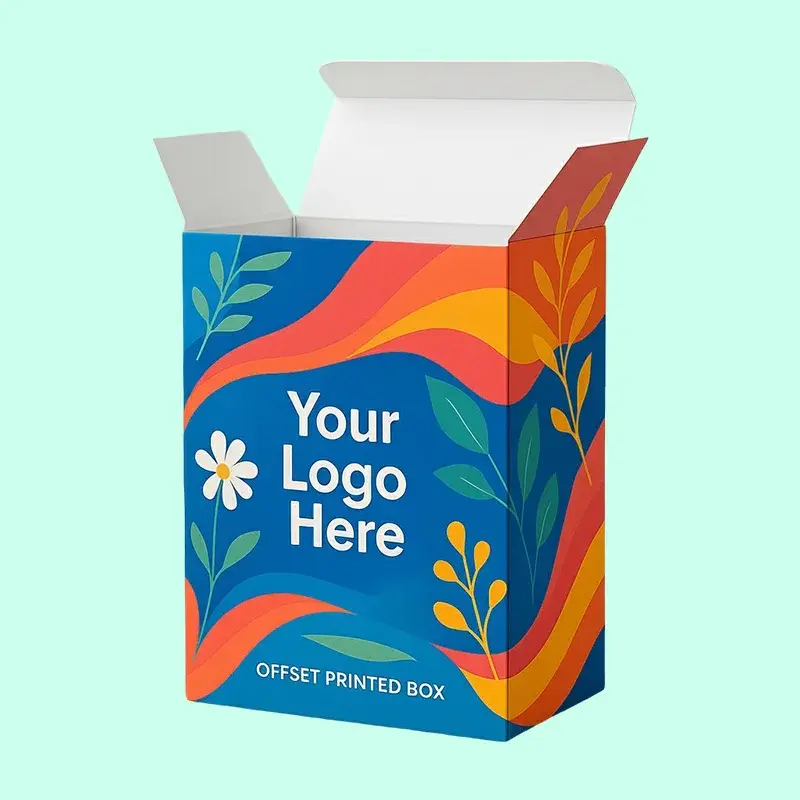
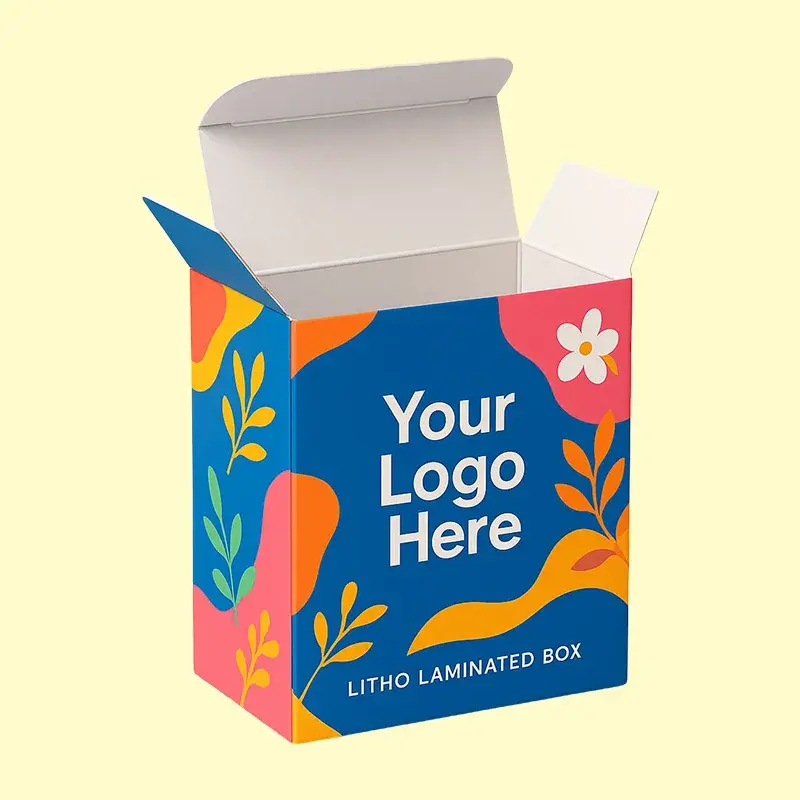
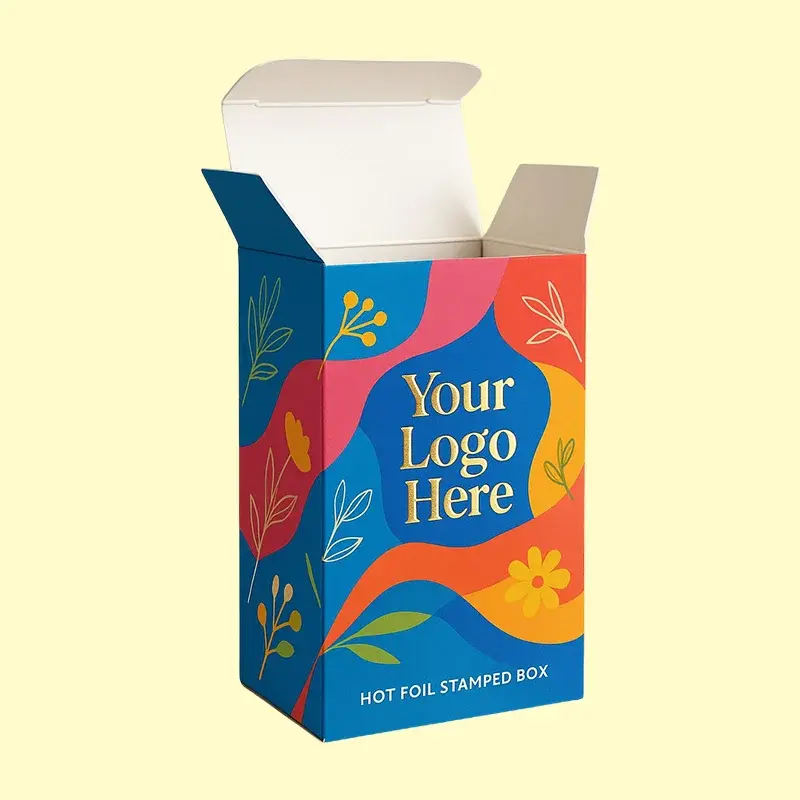
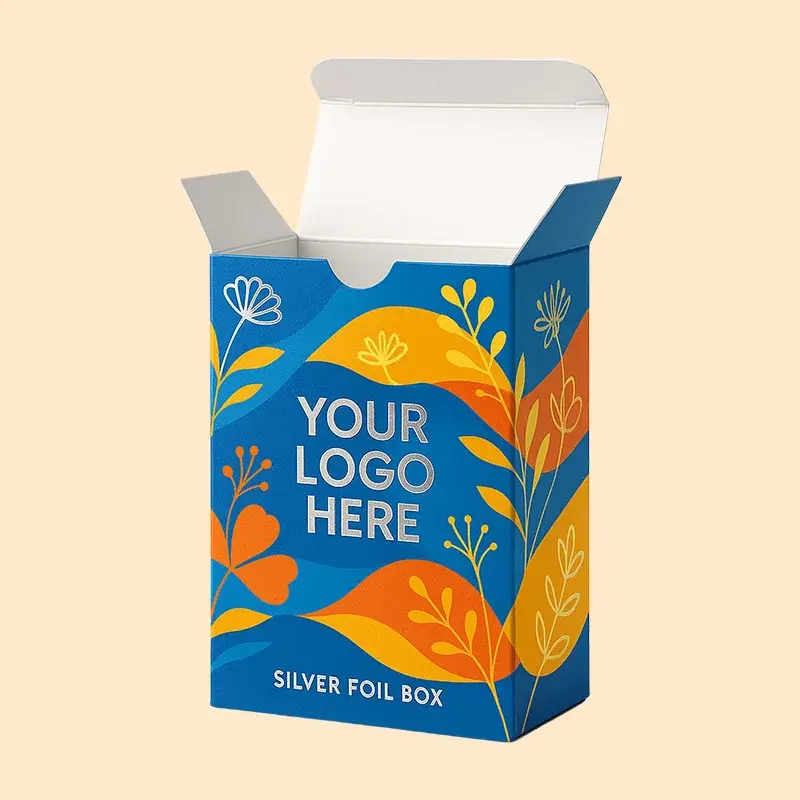
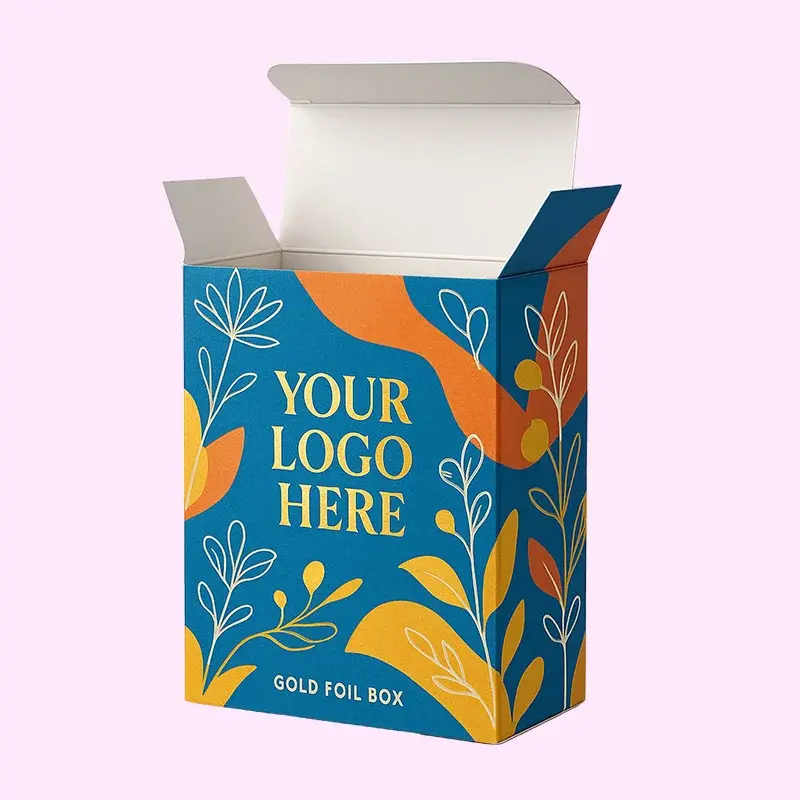
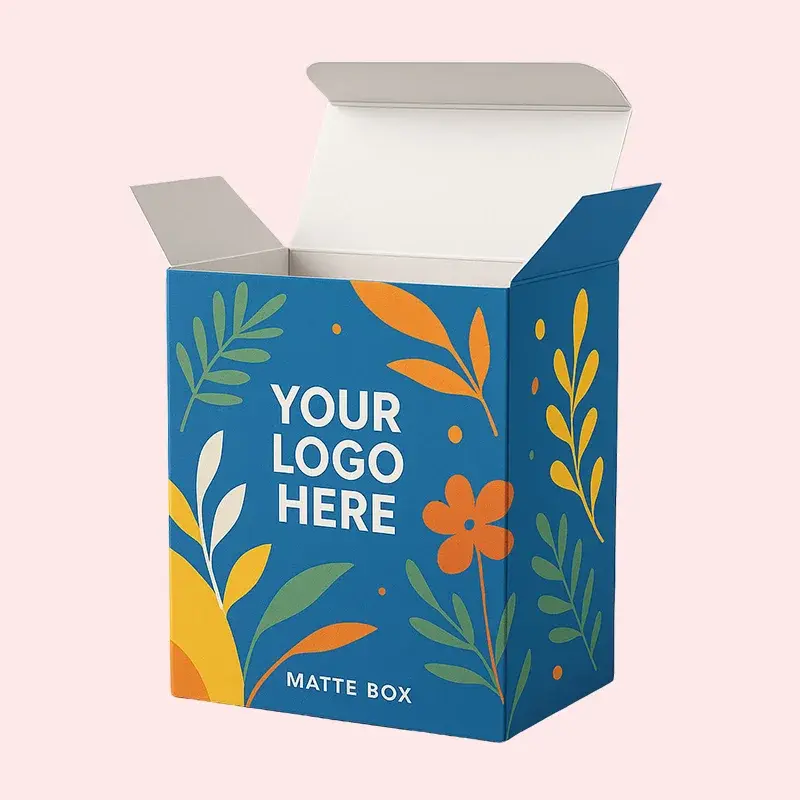
Custom Offset Printed Boxes & Offset Printed Packaging
Offset litho has been the backbone of commercial printing for over a century, and volume packaging still runs on it. Ink transfers from a plate to a rubber blanket and then onto the board, which is where the name comes from. That indirect route produces sharper results than printing straight onto the surface. We produce a lot of offset printed packaging at ZEE Packaging and at volume nothing beats it on quality or price.
Plates, Blankets And Sharpness
An offset printed box goes through an indirect transfer.
- Each color needs a plate made before the run starts
- Ink moves from plate to rubber blanket to board
- The blanket conforms to the surface, giving cleaner detail
- Registration between colors holds very tightly
- Solid areas lay down evenly across a long run
- Quality stays consistent from the first sheet to the last
Most brands ordering an offset printed box do so once volume makes the plate cost irrelevant per unit.
Volume Is Where It Wins
The economics flip at a certain quantity.
- Plate costs are fixed regardless of run length
- At low volume that setup dominates the unit price
- At high volume it becomes a rounding error
- Digital wins below roughly a thousand units
- Offset wins clearly above a few thousand
- We would run the numbers both ways rather than assume
- Tuck end carton the everyday offset printed box
- Seal end carton glued, standard in food and pharma
- Auto lock bottom heavier products at volume
- Rigid lid and base offset printed wraps
- Litho laminated corrugated offset print bonded to board
- Window carton offset printed with a die cut panel
Sizes We Print Regular
Every offset printed box is built to your product, though these run often:
- 2" x 2" x 4" for a cosmetic tube
- 3" x 2" x 5" for pharma and blister packs
- 4" x 4" x 6" for a candle or jar
- 6" x 4" x 8" for a food carton
- 8" x 6" x 2" for a flat item
- 10" x 8" x 3" for a gift set
Board And Print
- SBS C1S, which gives the truest offset reproduction
- CCNB and duplex where a grey back is acceptable
- Kraft board, which mutes color noticeably
- CMYK plus up to two spot Pantone inks
- Matte, gloss and soft touch lamination
- Foil, spot UV, emboss and deboss after printing
Spot Pantone inks are the real advantage over digital. A brand color that CMYK cannot reach prints exactly, and it repeats identically on every reorder.
Materials We Would Suggest
- Recycled board across most grades we run
- FSC certified stock, certificate available on request
- Soy and vegetable based inks through the whole run
- Aqueous coating rather than plastic lamination
- Efficient sheet layout so less board is trimmed away
- Right sizing so no material is wasted per carton
What Your Order Involves Here
- 100 unit minimum, though digital may suit better at that level
- Free 3D mockup and flat proof before anything prints
- Free dieline drawn by our own designer
- Physical proof on request for color critical work
- Urgent turnaround at 5 to 8 business days
- Free shipping worldwide with nothing hidden
Frequently Asked Questions
When should we choose offset over digital?
Usually above a few thousand units. Below that, plate costs make digital the cheaper route by a clear margin.
How much do offset printed boxes cost?
Rough estimate is $0.12 to $0.45 per unit at volume, $0.25 to $0.70 with finishing and $1.80 to $4.20 for rigid at moderate quantity. Plate setup affects small runs most. Shipping is included in our price. This is estimate only, so ask our team for a exact quote.
Can you match a Pantone exactly?
Yes, with a spot ink. That is the main reason color critical brands stay with offset rather than moving to digital.
Are plates reusable?
They are kept for reorders, so a repeat run skips plate making entirely and costs less than the first.
Is quality better than digital?
On large solid areas and spot colors, yes. On most other artwork the difference is genuinely hard to see.
How many colors can we run?
CMYK plus two spots is common. More is possible on a larger press, though each color adds a plate.
Does it print on corrugated?
Through litho lamination, where an offset sheet is bonded to corrugated board afterward.