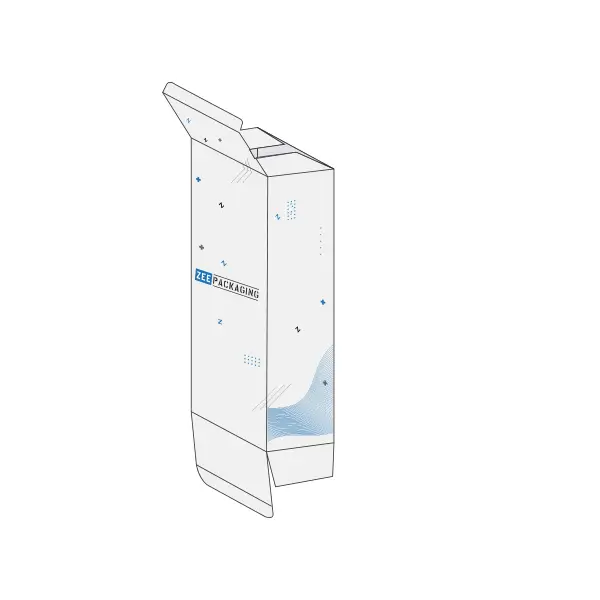
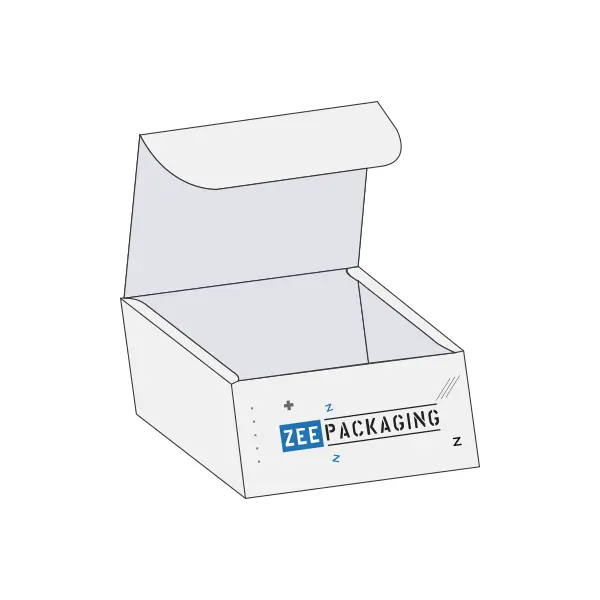
Custom Display Box Auto Bottom
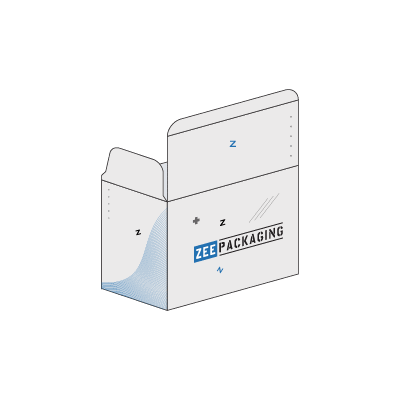
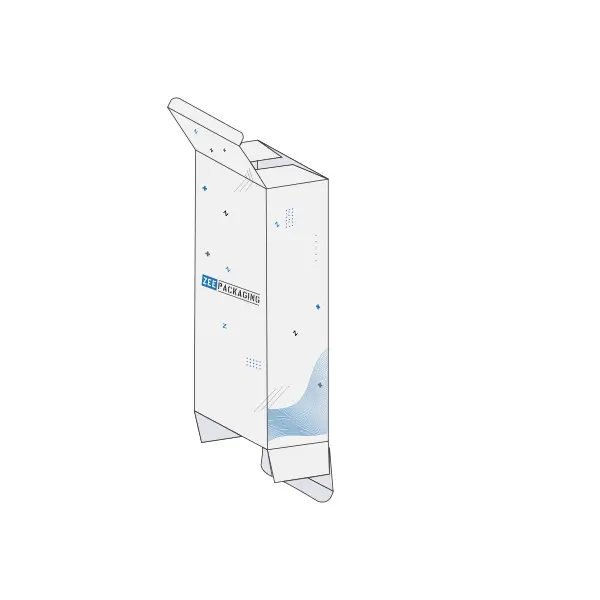
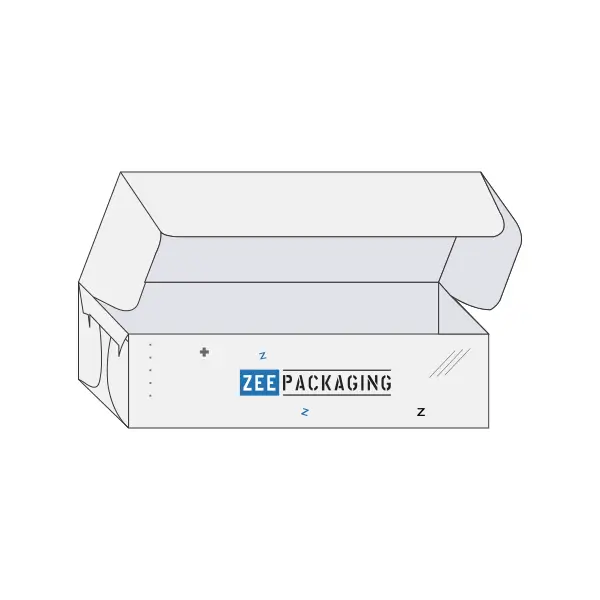
The auto bottom is a pre glued base that snaps into shape the instant you open the carton. Combine it with a display structure and you get a unit that arrives flat, builds in under a second, and goes straight onto a counter loaded with product. We produce a lot of display box auto bottom work at ZEE Packaging and the assembly speed is what wins operators over.
Snaps Open, Ready To Fill
A display box auto bottom needs no folding at all.
- The base panels are glued during production
- Opening the flat carton locks the bottom automatically
- Under a second per unit, with no technique to learn
- Temporary staff get it right first time, every time
- The glued base carries far more weight than a tuck
- It still ships completely flat despite being pre glued
Most operators specifying a display box auto bottom do so because a manual fold was slowing their filling line badly.
Weight Is Where The Glue Earns Its Cost
The base construction changes what the unit can hold.
- Glued panels spread load across the whole base
- A snap lock relies on tension and gives way sooner
- Heavier product ranges genuinely need this build
- Jars, cans and multipacks all suit it
- The base does not pop when the unit is lifted
- It stays square once fully loaded on a counter
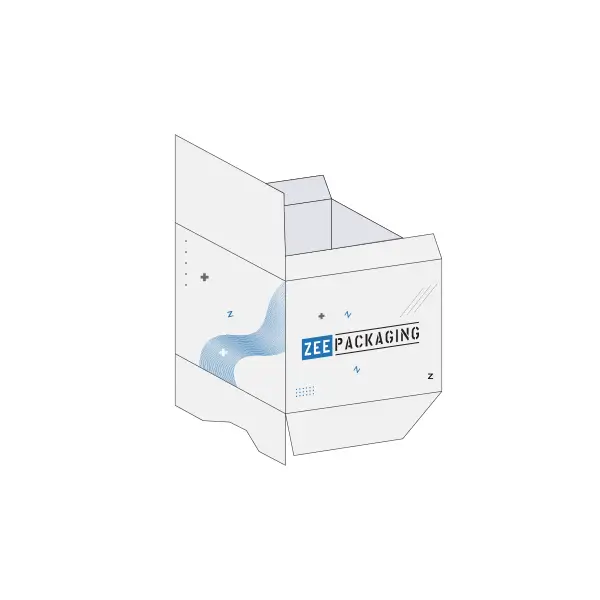
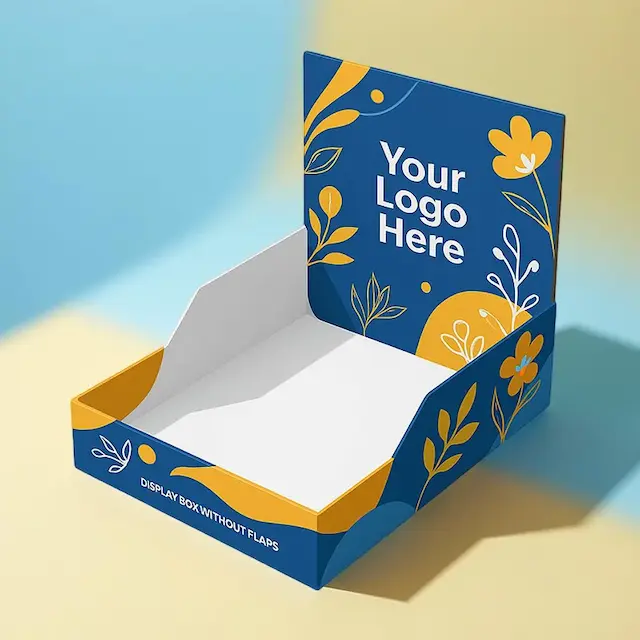
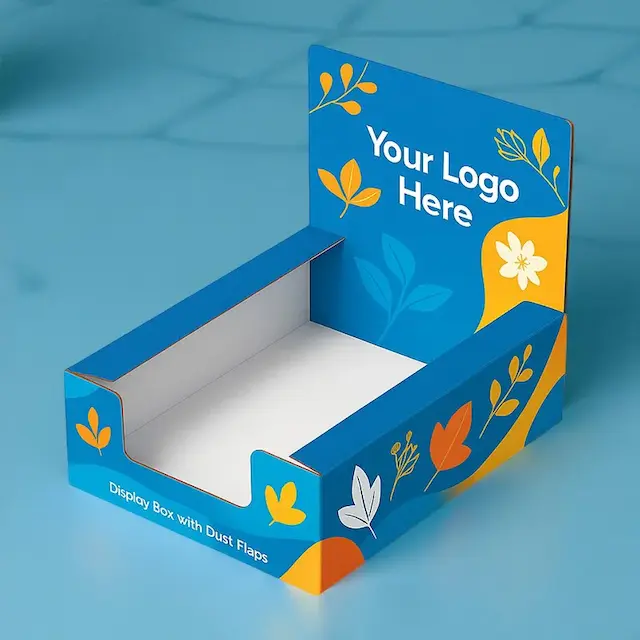
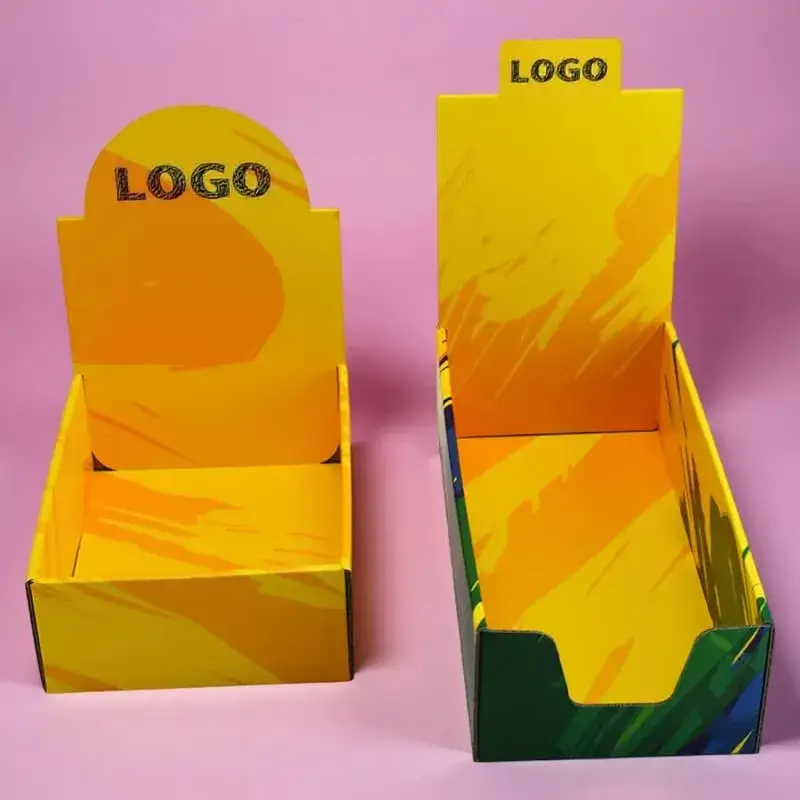
- Open tray with an auto bottom the standard display box auto bottom
- With a removable display lid shipping sealed then opening
- Tiered stepped version showing rows behind the front
- Front cut down tray product visible from the front
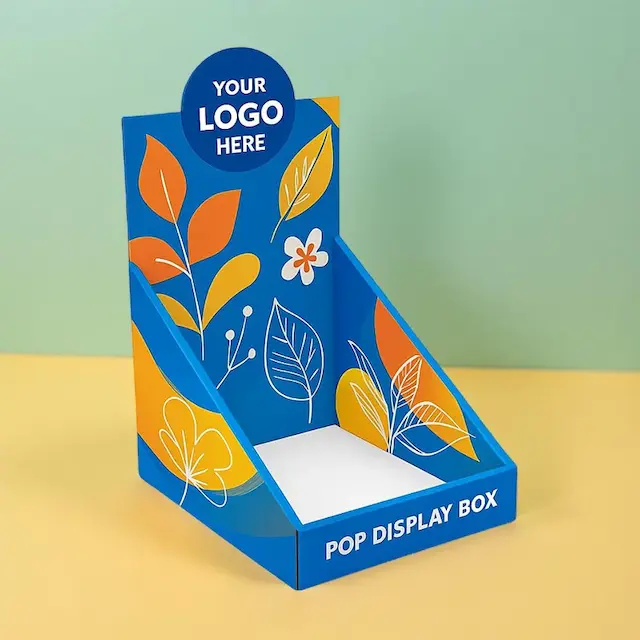
- With a header card branding standing above the unit
- Divided version compartments for several SKUs
Sizes We Print Regular
Every display box auto bottom is built to your product, though these run often:
- 8" x 6" x 4" for a small counter unit
- 10" x 8" x 5" for a standard display
- 12" x 9" x 6" for a larger format
- 6" x 4" x 3" for compact items
- 14" x 10" x 5" for a mixed SKU tray
- 16" x 12" x 6" for a bulk display
Send us the loaded weight, since the glue pattern and board grade both follow from that.
Board And Print
- E flute corrugated for lighter counter trays
- B flute where the unit carries real weight
- SBS C1S for a lighter folding display format
- Litho laminated corrugated for full color retail print
- Kraft corrugated for a plain economical build
- Reinforced front lip on any cut down display
The glue seam is what we watch most. A weak bond fails under load, so we sample the base with your actual product weight rather than estimating.
Materials That Reduce Impact
- Recycled corrugated, standard across these grades
- FSC certified board, certificate available on request
- Soy based ink through the whole run
- Water based adhesive on the glued base
- One structure reused across several campaigns
- Right sizing so you ship product rather than air
What Ordering Involves Here
- 100 unit minimum, so a small brand can test the format
- Free 3D mockup and flat proof before anything prints
- Free dieline drawn by our own designer
- Physical sample on request to test the base under load
- Urgent turnaround at 5 to 8 business days
- Free shipping worldwide with nothing hidden
Frequently Asked Questions
How much faster is it than a snap lock?
Roughly a second versus several. Across a few thousand units that difference is worth real money on a filling line.
How much does a custom auto-bottom display box cost?
Rough estimate is $0.65 to $1.60 per unit in plain corrugated, $1.00 to $2.40 with print and $1.80 to $3.90 for litho laminated at moderate quantity. Size moves it. Shipping is included in our price. This is estimate only, so ask our team for a exact quote.
Why does it cost more?
Gluing is a separate production stage. You pay slightly more per unit and save considerably more in labor.
How much weight will it carry?
More than any tuck or snap lock base. Send us the loaded weight and we specify the glue pattern to suit.
Does it still ship flat?
Yes, despite being pre glued. That is the whole appeal, since you get speed without losing storage efficiency.
Can it have a display lid?
Yes, so it ships sealed and opens into a counter unit. Retailers prefer that considerably.
Should we print the inside?
We would recommend it. Those inner walls stay visible for as long as the unit sits out.