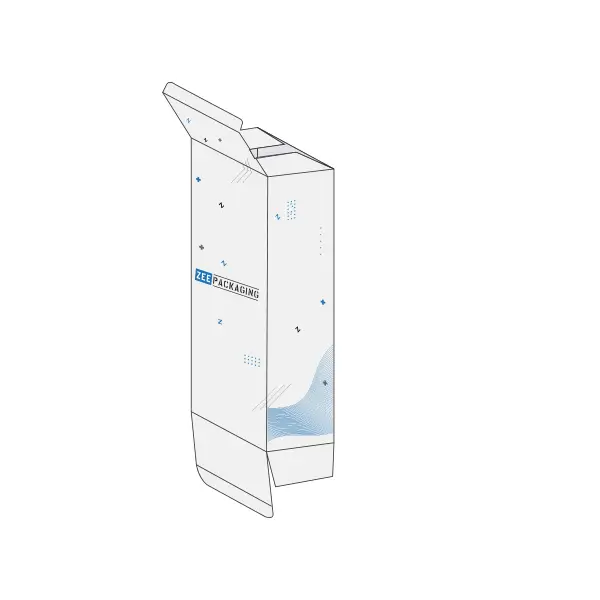
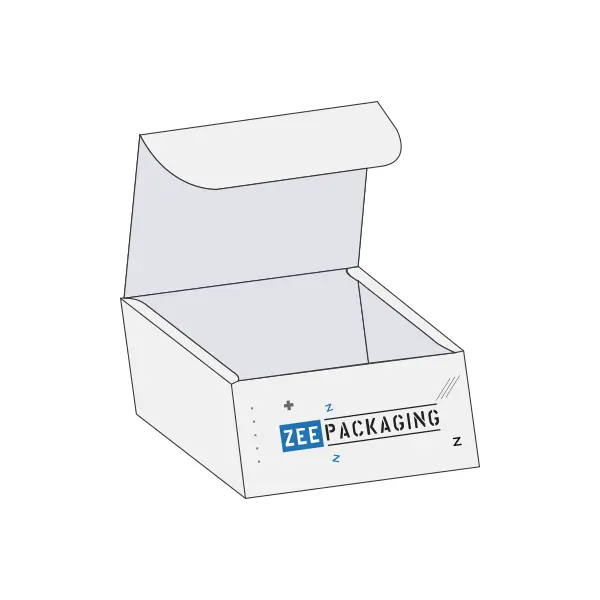
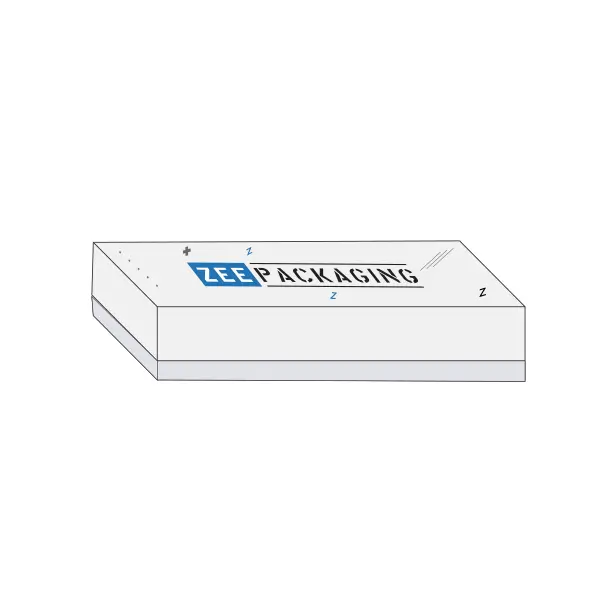
Custom 1 2 3 Bottom Display Lid
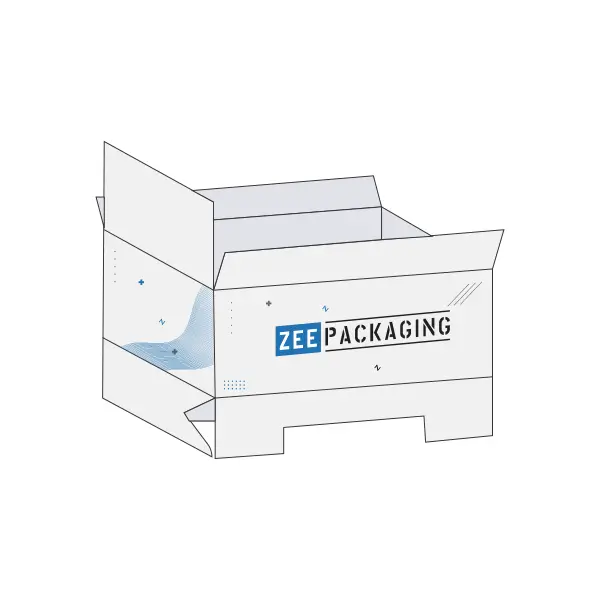
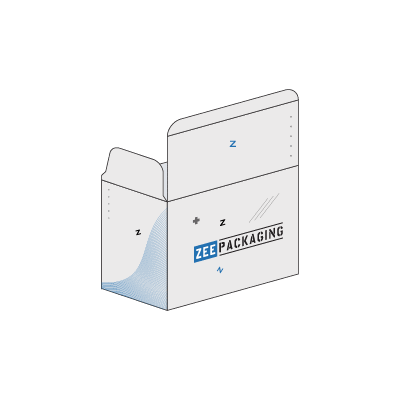
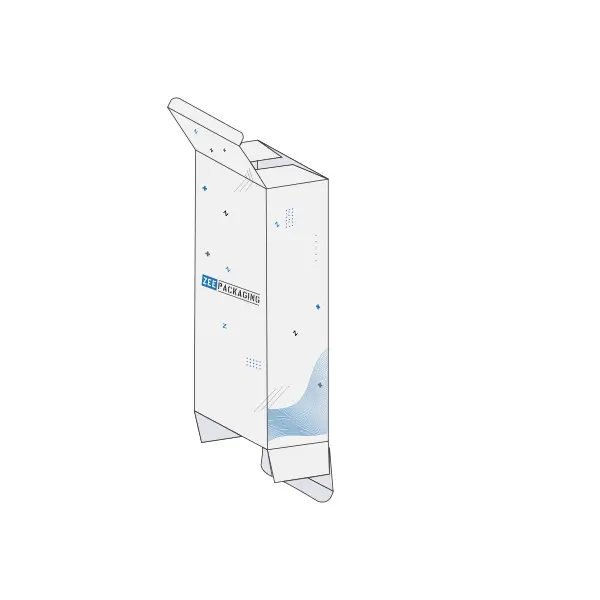
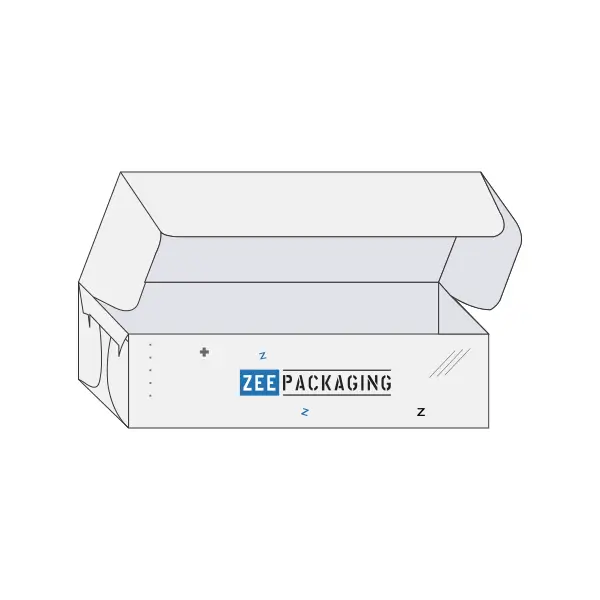
The 1 2 3 bottom gets its name from how it assembles. Three folds in sequence and the base locks itself square, with no glue and no tape. Add a display lid on top and you have a carton that ships flat, builds in seconds and opens into a retail unit. We produce a lot of 1 2 3 bottom display lid work at ZEE Packaging and the speed of assembly is what sells it.
Three Folds And It Locks
A 1 2 3 bottom display lid builds itself in sequence.
- Three flaps fold in order and interlock under tension
- No glue is applied during production
- No tape is needed at your packing bench
- The base sits square rather than splaying under weight
- It ships completely flat, so storage stays minimal
- Staff learn the fold within a couple of attempts
Most operators choosing a 1 2 3 bottom display lid do so because the assembly time beats a snap lock comfortably.
The Lid Does Double Duty
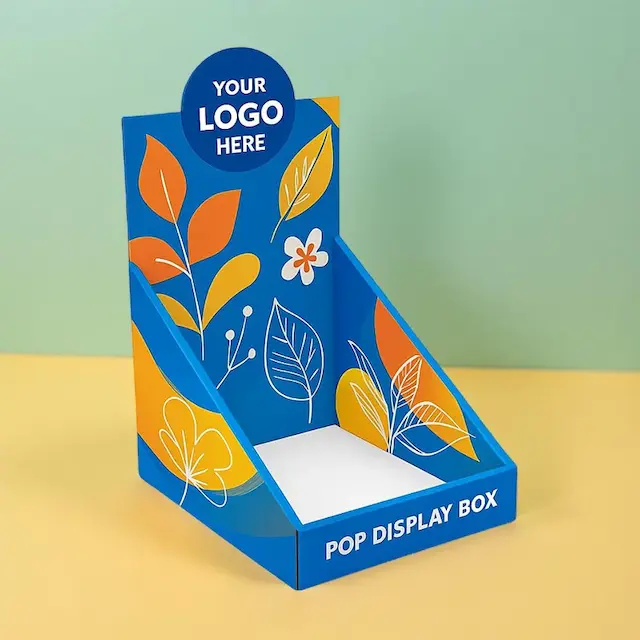
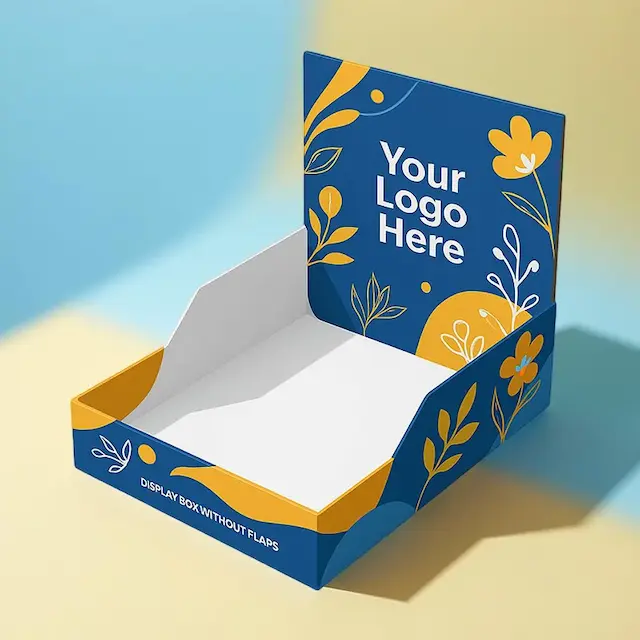
The display element is where the format earns its place.
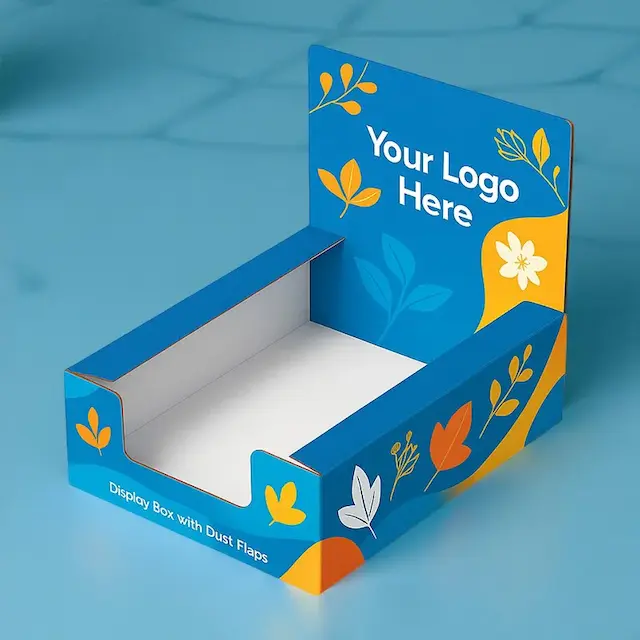
- The lid lifts off or folds back to expose the contents
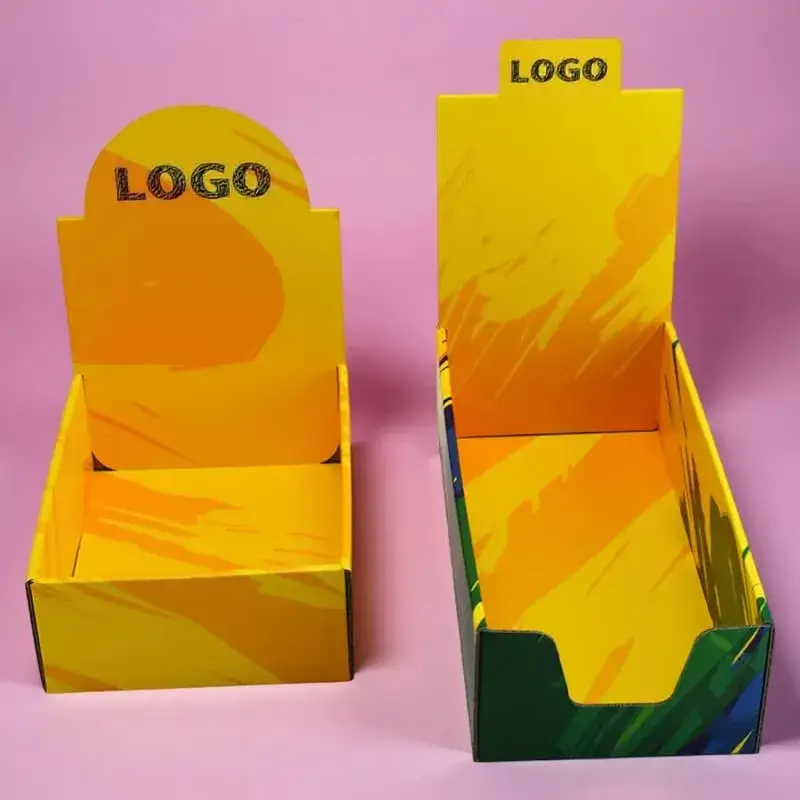
- A filled carton becomes a counter display in one action
- Retailers avoid unpacking and rebuilding stock
- The lid can be printed for shelf branding
- Product stays in the carton it shipped in
- It cuts store labor, which retailers genuinely value
- Lift off display lid the standard 1 2 3 bottom display lid
- Tear away lid perforated for a clean opening
- Hinged lid version folding back rather than detaching
- With a front cut down showing product from the front
- With a header card branding above the display
- Divided version compartments for mixed SKUs
Sizes We Print Regular
Every 1 2 3 bottom display lid is built to your product, though these run often:
- 8" x 6" x 4" for a small counter unit
- 10" x 8" x 5" for a standard display
- 12" x 9" x 6" for a larger unit
- 6" x 4" x 3" for compact items
- 14" x 10" x 5" for a mixed SKU tray
- 16" x 12" x 6" for a bulk display
Tell us the facing count you want, since that sets the footprint before anything else does.
Board And Print
- E flute corrugated for lighter counter units
- B flute where the carton is loaded or stacked
- SBS C1S for a lightweight display format
- Litho laminated for full color retail print
- Kraft corrugated for a plain economical build
- Reinforced front lip on any cut down display
Printing the inside walls is worth doing. Once the lid comes off, those surfaces are visible for the whole time the unit sits on a counter.
Materials That Cut Waste
- Recycled corrugated, standard across these grades
- FSC certified board, certificate available on request
- Soy based ink through the whole run
- No glue or tape used at all in assembly
- One carton doing shipping and display together
- Right sizing so you ship product rather than air
Using one carton for both transit and display removes a whole layer of packaging from the chain.
How We Handle Your Order
- 100 unit minimum, so a small brand can test the format
- Free 3D mockup and flat proof before anything prints
- Free dieline drawn by our own designer
- Physical sample on request to test the fold and load
- Urgent turnaround at 5 to 8 business days
- Free shipping worldwide with nothing hidden
Frequently Asked Questions
How fast does it assemble?
Three folds, a couple of seconds once learned. Considerably quicker than a snap lock and cheaper than a glued auto lock.
How much is a 1-2-3 bottom display lid?
Rough estimate is $0.55 to $1.40 per unit in plain corrugated, $0.90 to $2.20 with print and $1.60 to $3.60 for litho laminated at moderate quantity. Size moves it. Shipping is included in our price. This is estimate only, so ask our team for a exact quote.
Will the base hold weight?
At the right board grade, yes. The interlock tightens under load rather than loosening, which is the point of the design.
Do we need glue or tape?
Neither for the base. Some operators tape the lid for tamper evidence, though the structure does not require it.
Can the lid tear away?
Yes, with a perforation. We test the tear at proof stage, since a ragged edge looks poor on a counter.
Should we print the inside?
We would say yes. The inner walls stay visible the whole time the unit is displayed.
How many facings should we plan?
Twelve to twenty four on a counter unit. Beyond that, store managers start refusing it on footprint alone.