Custom Pre Roll Inserts
The insert is the part nobody thinks about until something arrives crushed. It sits inside the carton doing all the actual protecting while the printed box gets all the attention. We cut a lot of pre roll inserts at ZEE Packaging and honestly this is where most packaging complaints in the category actually originate.
The Cavity Has To Be Exact
An approximate channel is nearly as bad as no insert at all.
- Cut to true joint diameter, not rounded to the nearest sixteenth
- Tolerance too tight and the joint deforms going in
- Too loose and the tip crushes the first time the pack gets dropped
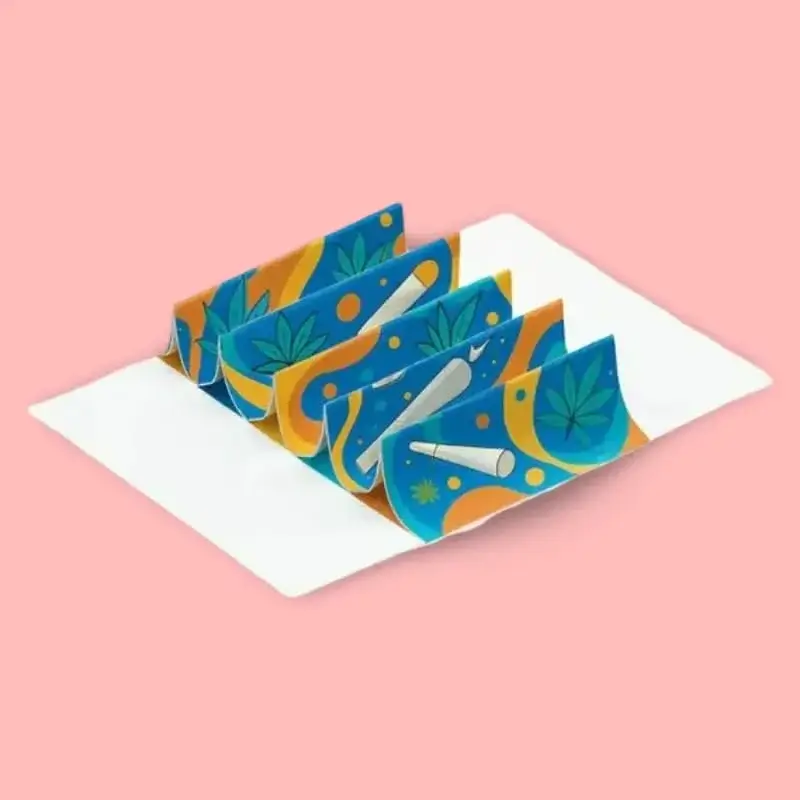
- Cavity spacing matters as much as diameter on multipack pre roll inserts
- Depth should hold the joint below the carton lip
- Send us a physical joint, measurements on paper are never quite enough
Most crushed tips we get shown trace straight back to a cavity that was close but not right.
Material Options
- Paperboard die cut the workhorse, recyclable and cheapest of our pre roll inserts
- Molded pulp plastic free, holds shape well, increasingly requested
- Corrugated fluted insert good shock absorption on shipping cartons
- Foam best cushioning but the least recyclable option
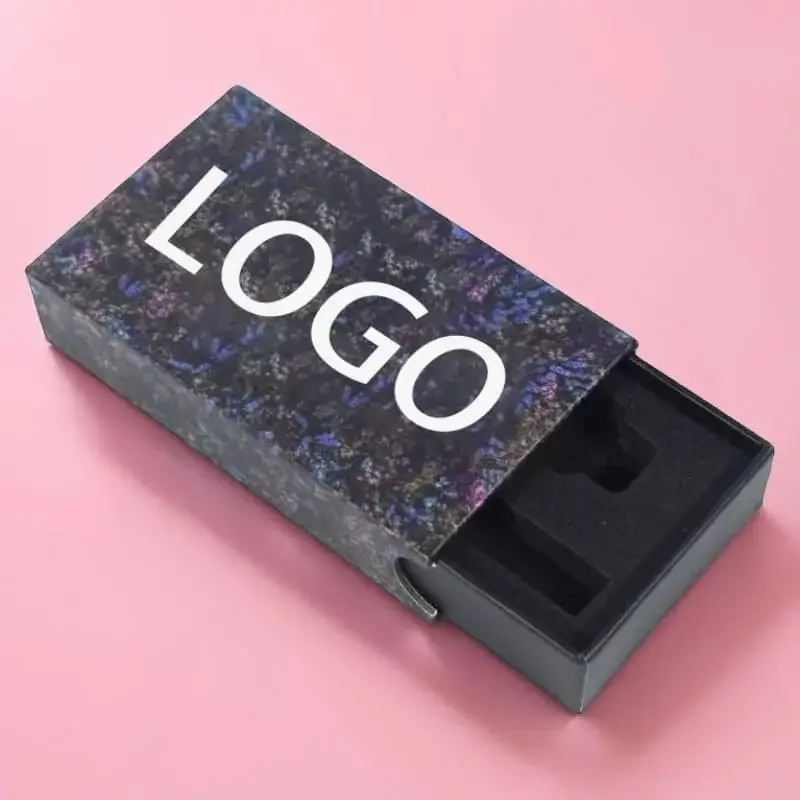
- Flocked tray premium feel for luxury pre roll inserts
- Rigid board tray for drawer and slider formats
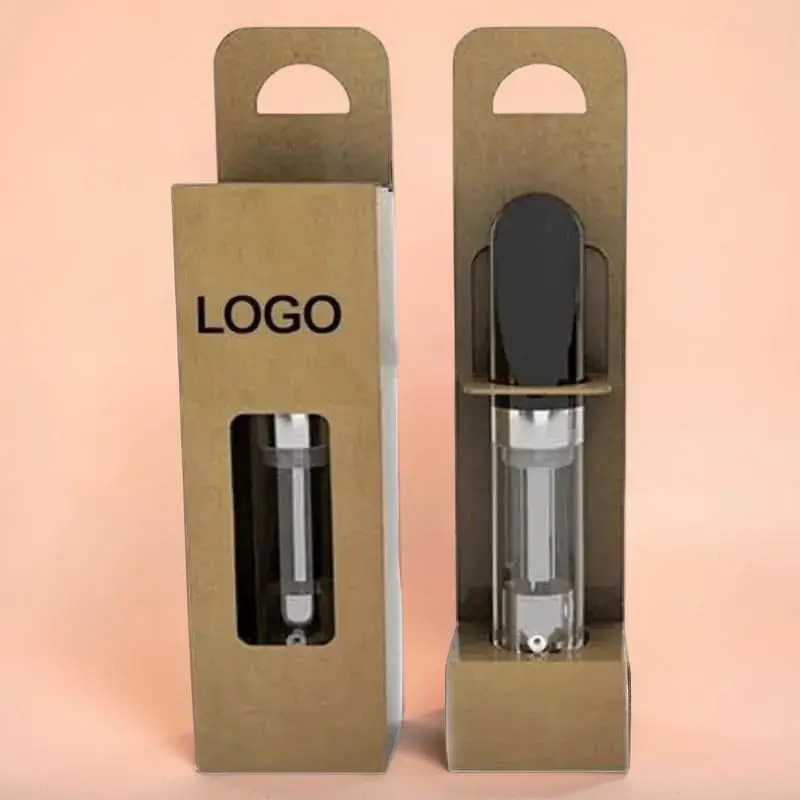
- Single channel for a one joint carton
- Three, five, seven and ten cavity multipack pre roll inserts
- Divided tray with a humidity pack well
- Combination insert holding joint plus lighter or accessory
- Stepped insert so the front row sits lower and stays visible
- Slider drawer insert cut to the drawer footprint exactly
Sizes We Run Regular
Every one of our pre roll inserts is cut to your product, though these come up often:
- 4.5" x 1" single channel for a 98mm
- 5" x 2.5" three cavity
- 5.25" x 3.25" five cavity
- 5.5" x 4" ten cavity
- 4" x 1.5" for a dogwalker format
- 3.5" x 3.5" round tray for a jar carton
Give us the joint diameter, length and count and we work the layout from there.
The Humidity Pack Problem
Loose humidity packs are a complaint we hear constantly.
- Build a dedicated well so it stays put
- Never let it sit under the joints where it presses on them
- Size the well to the pack, they come in different gram weights
- Position it where a customer can find it easily
- Our pre roll inserts include a pack well as standard when you ask
Greener Insert Choices
- Molded pulp instead of foam or flocked trays
- Recycled paperboard for standard pre roll inserts
- FSC certified stock, certificate on request
- Soy based ink where the insert is printed
- No plastic tube, the insert does that job better anyway
- Right sized cavity so you are not padding out empty space
Why Brands Come To Us For Inserts
- 100 unit minimum, same as our cartons
- Free dieline drawn by our own designer
- Physical sample so you can test the fit before bulk
- Urgent turnaround at 5 to 8 business days
- Free shipping worldwide, nothing hidden
- One contact handling insert and carton together
Frequently Asked Questions
Can you match an insert to my existing carton?
Yes. Send the carton or the dieline and we cut the insert to sit properly inside it.
Paperboard or molded pulp?
Paperboard for cost and recyclability, pulp when you want more cushioning without plastic. Both perform well if cut right.
Do you print on inserts?
We can, one or full colour. On a drawer format it is worth it since the insert is visible every open.
How do we stop joints rolling?
That is exactly what a cavity does. Rolling only happens when the channel is oversized or missing entirely.
How much do pre-roll inserts cost?
Rough estimate is $0.06 to $0.20 per unit for die cut paperboard, $0.15 to $0.40 for molded pulp and $0.35 to $0.90 for flocked trays at moderate quantities. Cavity count moves it. Shipping is included in our price. This is estimate only, so ask our team for a exact quote.
Can you include a lighter or accessory well?
Yes, we build combination pre roll inserts regularly. Tell us what goes in and we lay the wells out.
Will an insert fit a slider drawer?
Yes, we cut to the drawer footprint. It needs to be exact or the drawer binds, so we sample it first.