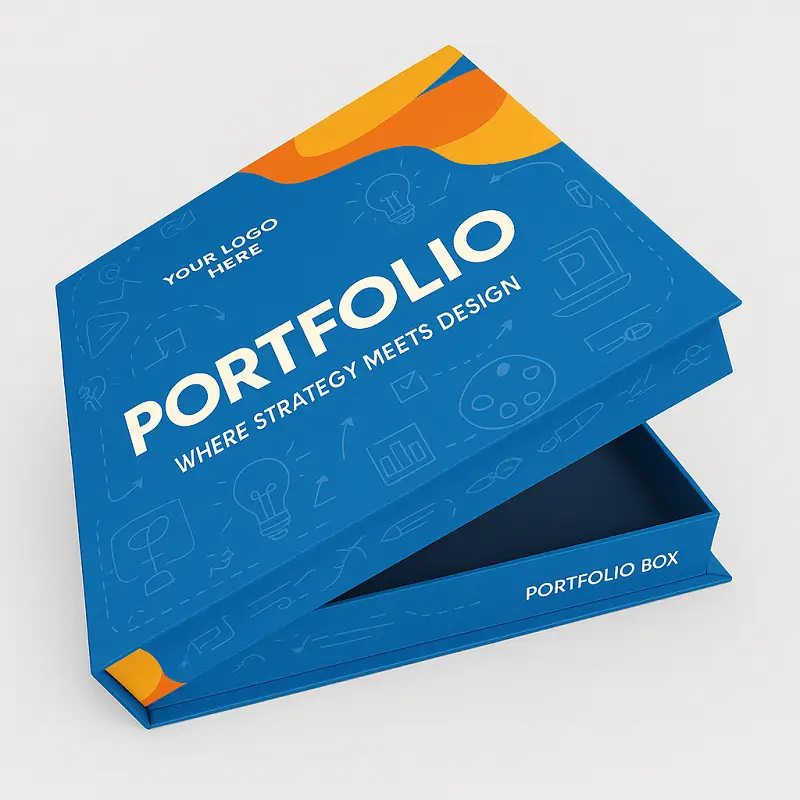
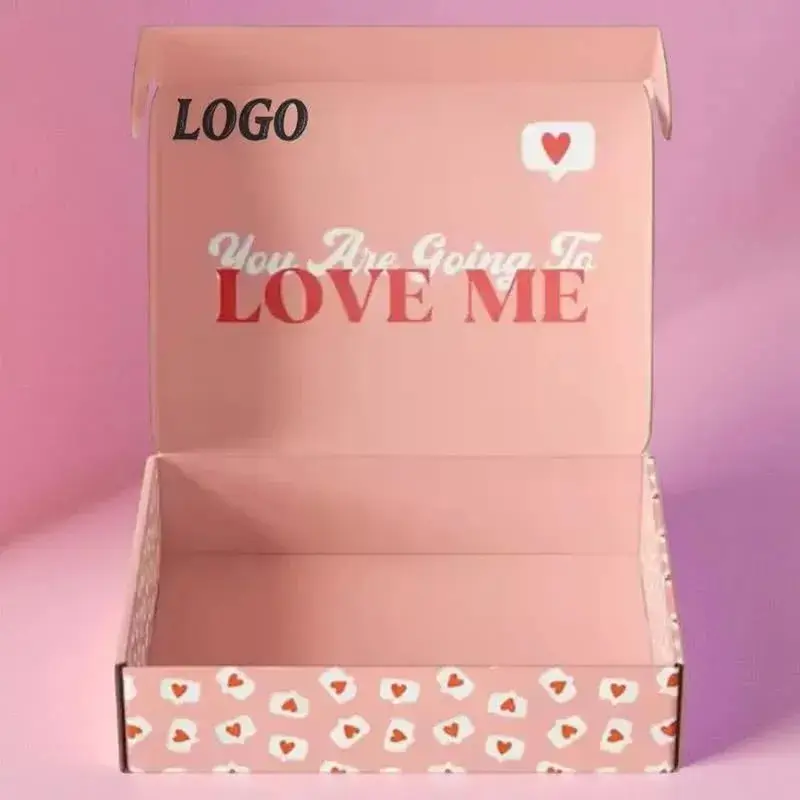
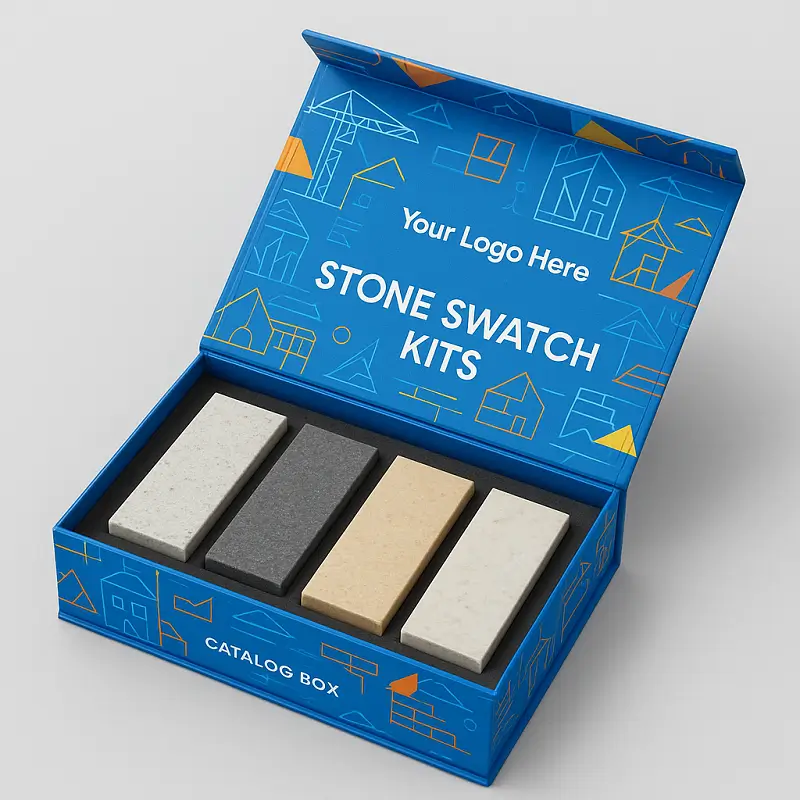
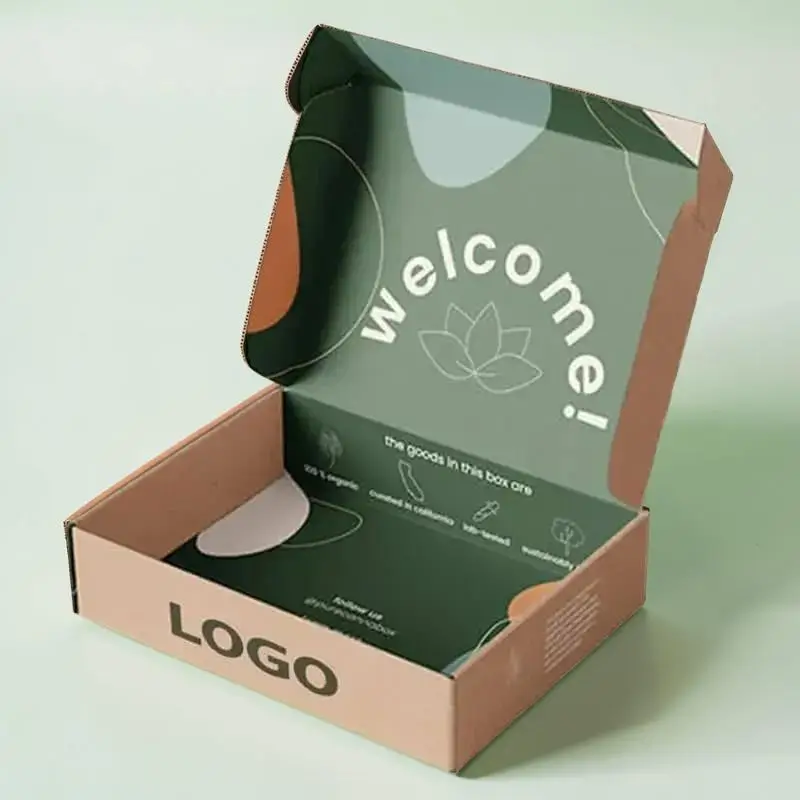
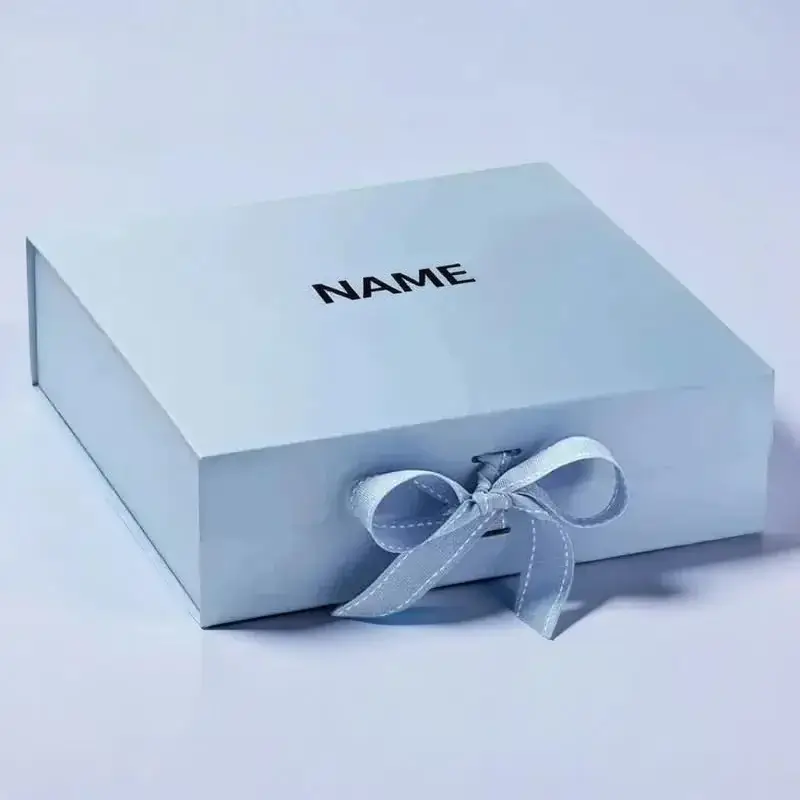
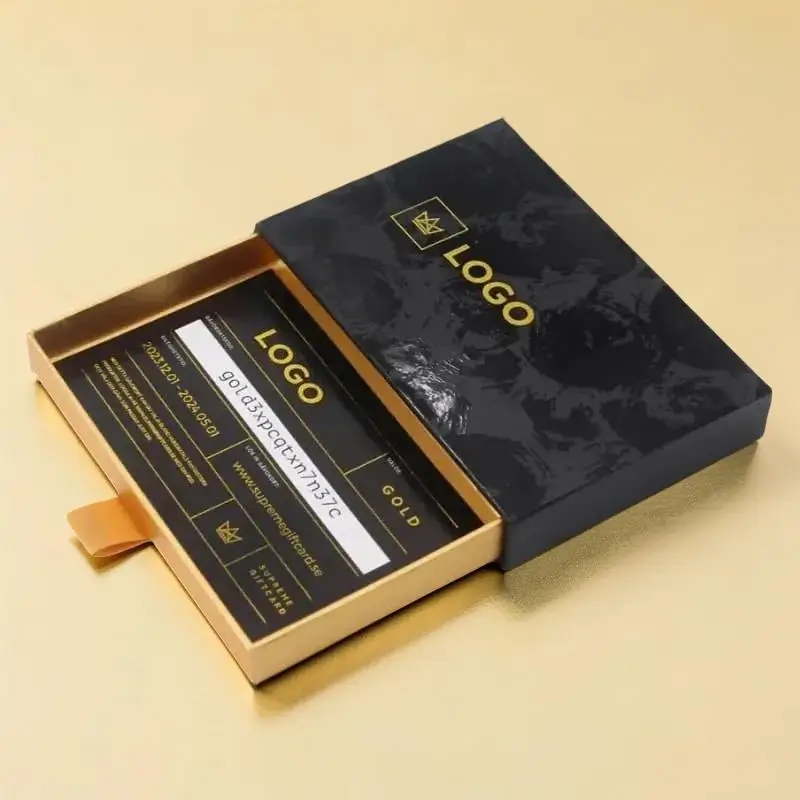
Custom Portfolio Boxes & Portfolio Packaging
A portfolio box is judged by an audience that judges objects for a living. Photographers, illustrators, architects, design studios. They will notice the caliper, the wrap alignment, the corner construction and whether the lid lifts cleanly. It is a demanding brief and a satisfying one. We produce a lot of portfolio packaging at ZEE Packaging and this category rewards doing things properly.
Your Audience Knows Materials
There is nowhere to hide with a portfolio box.
- Caliper gets noticed immediately by anyone who works with print
- Wrap alignment at the corners is the first thing a designer inspects
- The lid should lift smoothly rather than gripping and pulling
- Texture matters as much as print, often more
- Restraint reads better than heavy artwork with this audience
- The weight in the hand sets the tone before anything is seen
Most portfolio packaging that disappoints does so on construction rather than on design.
Prints Must Stay Flat And Clean
The contents are usually irreplaceable.
- A rigid base so nothing bows during storage
- Snug internal fit, since sliding prints scuff at the corners
- Interleaving tissue between mounted or delicate pieces
- Acid free stock where work is intended for archival keeping
- Depth calculated for the full stack, mounts included
- A ribbon pull or finger recess so prints lift out without being gripped
- Lift off lid and base the classic portfolio box, strongest and squarest
- Clamshell with a hinged lid archival portfolio packaging
- Drawer slide box a smart presentation for a client leave behind
- Magnetic closure box premium portfolio box format
- Two piece with a lift out tray layered or mixed contents
- Slipcase for a bound book or a printed portfolio
Sizes We Print Regular
Every portfolio box is built to your work, though these run often:
- 12" x 9" x 1.5" for A4 prints
- 17" x 12" x 2" for A3 work
- 11" x 14" x 2" for standard photographic prints
- 16" x 20" x 2.5" for larger mounted pieces
- 9" x 12" x 3" for a thick portfolio with samples
- 8.5" x 11" x 1" for a slim client leave behind
Measure the mounted stack rather than the paper, since mounts and interleaving add real depth.
Board And Finish
- Rigid greyboard 48pt, which we would recommend as standard here
- Litho printed wrap, or a plain uncoated paper wrap for restraint
- Book cloth and buckram finishes for an archival feel
- Uncoated and textured stocks, which suit this audience particularly well
- Blind deboss and foil, usually just the name or logo
- Corrugated E flute for the shipping outer
Textured wrap is worth sampling. It photographs poorly and feels excellent, which is exactly why we send physical samples on these projects.
Kinder Material Choices
- Recycled greyboard core under the wrap
- FSC certified stock, certificate available on request
- Soy based ink through the whole run
- Acid free and lignin free options for archival portfolio packaging
- Paperboard interleaving rather than plastic sleeves
- A box built to last decades, which is the real sustainability story
How A Project Runs With Us
- 100 unit minimum, which suits a studio or a graduating cohort
- Free 3D mockup and flat proof before anything prints
- Free dieline drawn by our own designer
- Physical sample on request, essential when texture is part of the brief
- Urgent turnaround at 5 to 8 business days
- Free shipping worldwide with nothing hidden
Frequently Asked Questions
Which caliper do you recommend?
48pt as standard. Anything thinner flexes on a larger format, and flexing is what damages the prints inside.
Do we need acid free board?
Only if the work is intended to be kept long term. For a client presentation piece it makes little difference, for archival storage it matters a great deal.
Can you do a book cloth finish?
Yes, and it suits this category particularly well. It feels considerably different to a printed paper wrap.
How do we stop prints scuffing?
A snug fit plus interleaving tissue. Movement between sheets is what causes corner scuffing, not the box itself.
Can you make a matching slipcase?
We can, and a slipcase alongside a portfolio box makes a very coherent set for a studio.
Will the lid stick?
Not if the tolerance is right. We adjust it so the lid lifts cleanly rather than creating suction against the base.
How much is a portfolio box?
Rough estimate is $2.60 to $6.00 per unit for a standard rigid format, $4.00 to $9.00 for larger sizes with a wrap and $3.00 to $7.50 for a clamshell at moderate quantity. Size and finish move it most. Shipping is included in our price. This is estimate only, so ask our team for a exact quote.
Can we sample before ordering?
We would encourage it here. Handling the actual board is the only way to judge a portfolio box properly.