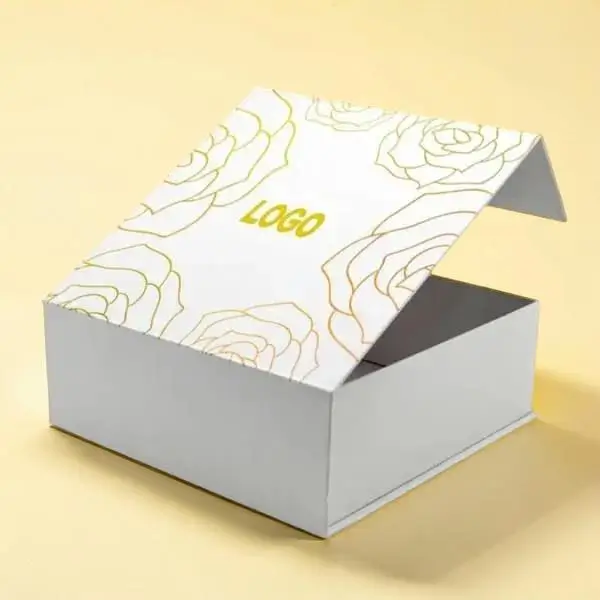
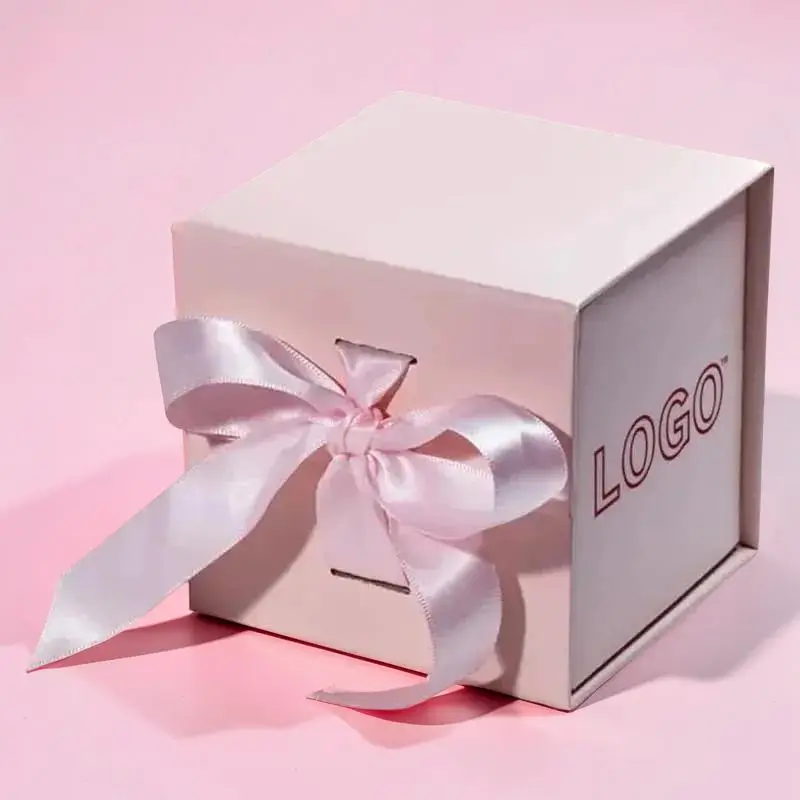
Custom Photography Boxes & Photography Packaging
Photographers hand over work that took months to produce and moments to damage. A bent corner on a fine art print, a fingerprint on a gloss surface, a stack of images that shifted in transit. The box is the last thing standing between the work and the client. We produce a lot of photography packaging at ZEE Packaging and print protection drives every decision here.
Prints Damage In Predictable Ways
A photography box has to prevent three specific things.
- Corner bending, by far the most common damage
- Surface scuffing where prints slide against each other or the board
- Curling, which happens when a stack sits unsupported
- Fingerprints on gloss and metallic surfaces
- Moisture, since a damp print ripples permanently
- Pressure marks from an overfilled box
Most damage claims we hear about in photography packaging come from movement inside an oversized box.
Archival Matters For Some Work
Not every job needs it, but some genuinely do.
- Acid free and lignin free board for prints intended to last
- Buffered stock where the work is being archived long term
- Interleaving tissue between prints, which prevents surface transfer
- Ordinary board can yellow and embrittle paper over decades
- Client commissions rarely need archival, gallery work usually does
- Tell us the intended lifespan and we specify accordingly
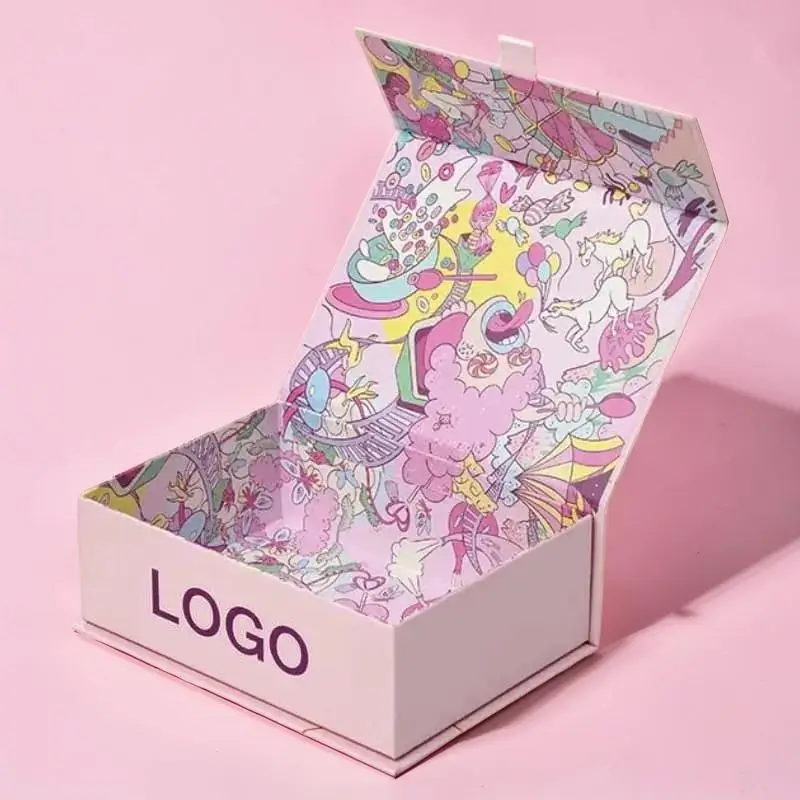
- Rigid lid and base the classic presentation photography box
- Clamshell with a hinged lid archival photography packaging
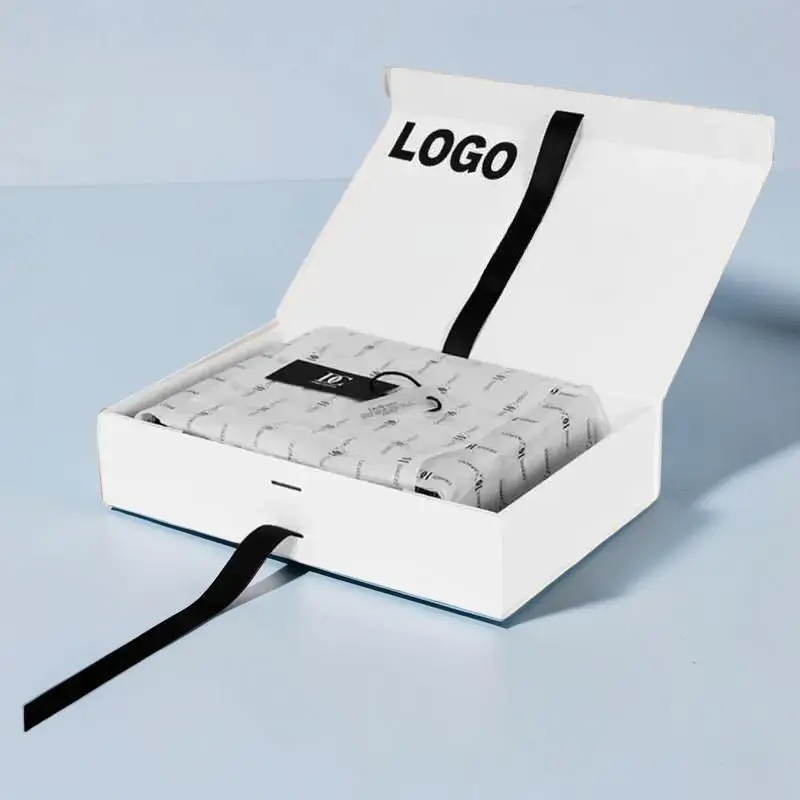
- Print box with a ribbon lift makes removing prints easier
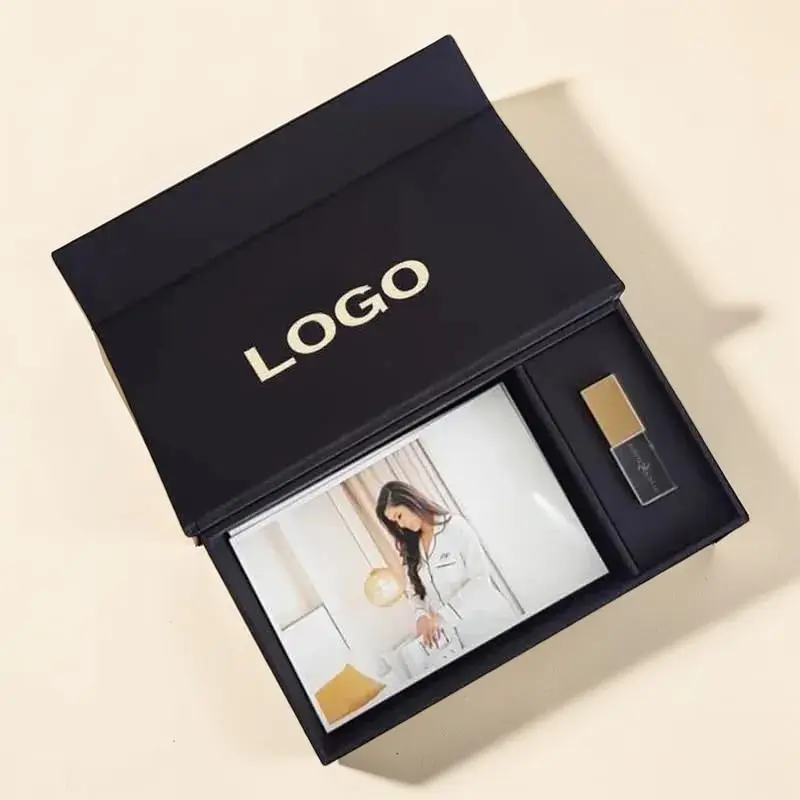
- USB and print combination box with wells for both
- Wrap around mailer for single print shipping
- Portfolio case with a slipcase for a bound album
Sizes We Print Regular
Every photography box is built to your print sizes, though these run often:
- 8" x 10" for standard client prints
- 11" x 14" for larger work
- 12" x 16" for mounted pieces
- 5" x 7" for smaller commissions
- 13" x 19" for fine art formats
- 10" x 10" for square prints
Measure the mounted stack rather than the paper, since mounts and interleaving add real depth.
Board And Finish
- Rigid greyboard 48pt, which we recommend as standard here
- Acid free and lignin free grades where archival matters
- Litho printed wrap, or a plain uncoated wrap for restraint
- Book cloth and linen finishes for a gallery feel
- Blind deboss, usually just the studio name
- Corrugated outer for anything shipping to a client
Restraint works better than heavy branding in this category. The work inside is the product, and a loud box competes with it.
Materials Worth Choosing
- Recycled greyboard core beneath the wrap
- FSC certified stock, certificate available on request
- Soy based ink through the whole run
- Paperboard interleaving rather than plastic sleeves
- Uncoated stock, which recycles cleanly with no film
- A box built to last, since clients keep these for decades
What Working With Us Involves
- 100 unit minimum, which suits a studio or a print lab
- Free 3D mockup and flat proof before anything prints
- Free dieline drawn by our own designer
- Physical sample on request, since texture matters to this audience
- Urgent turnaround at 5 to 8 business days
- Free shipping worldwide with nothing hidden
Frequently Asked Questions
Do we need acid free board?
Only for work intended to last decades. For a client commission that gets framed quickly, standard board is perfectly fine.
How do we stop prints scuffing?
Interleaving tissue and a snug fit. Movement between sheets causes scuffing, not the board itself.
How much does a light box cost?
Rough estimate is $2.40 to $5.50 per unit for a standard rigid format, $3.20 to $7.50 for a clamshell and $4.00 to $9.00 for larger archival sizes at moderate quantity. Board grade moves it. Shipping is included in our price. This is estimate only, so ask our team for a exact quote.
Will prints curl inside?
Not with a rigid base and a correct depth. Curl happens when a stack sits unsupported or has room to shift.
Can you do a book cloth finish?
Yes, and it suits this category particularly well. It feels noticeably different to a printed paper wrap.
Should it ship in an outer?
Always. A presentation box scuffs at the corners in a courier network, which the client sees first.
Can you add a USB well?
We do, alongside the print space. Digital and print delivery together is standard for most commissions now.