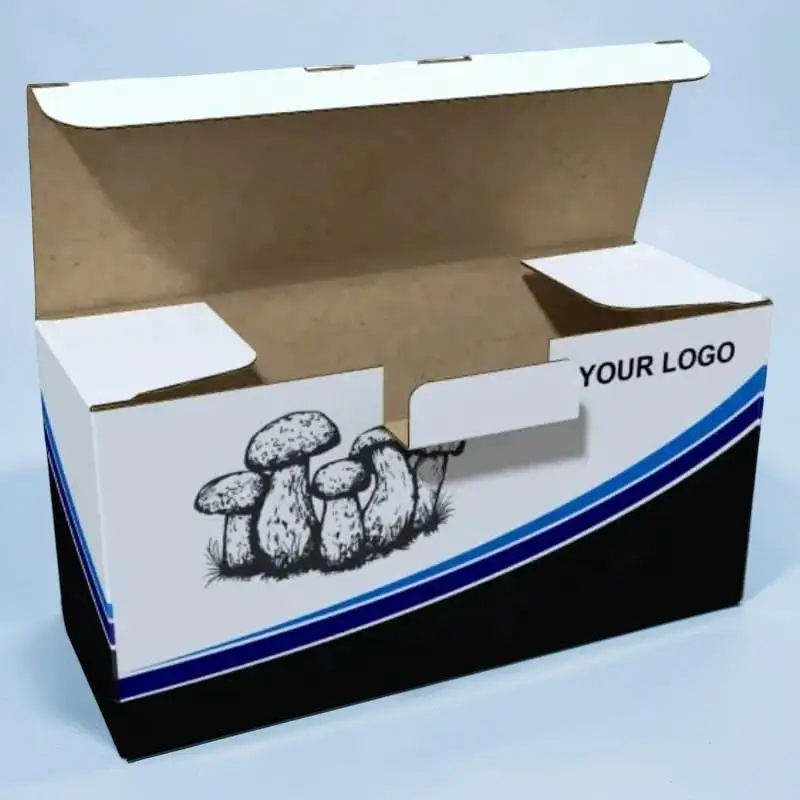
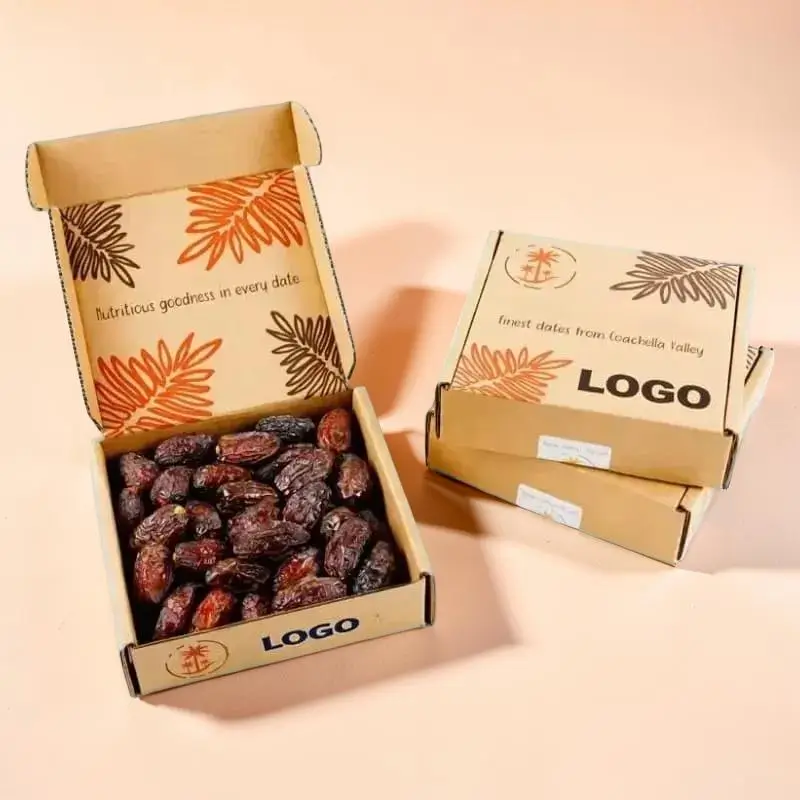
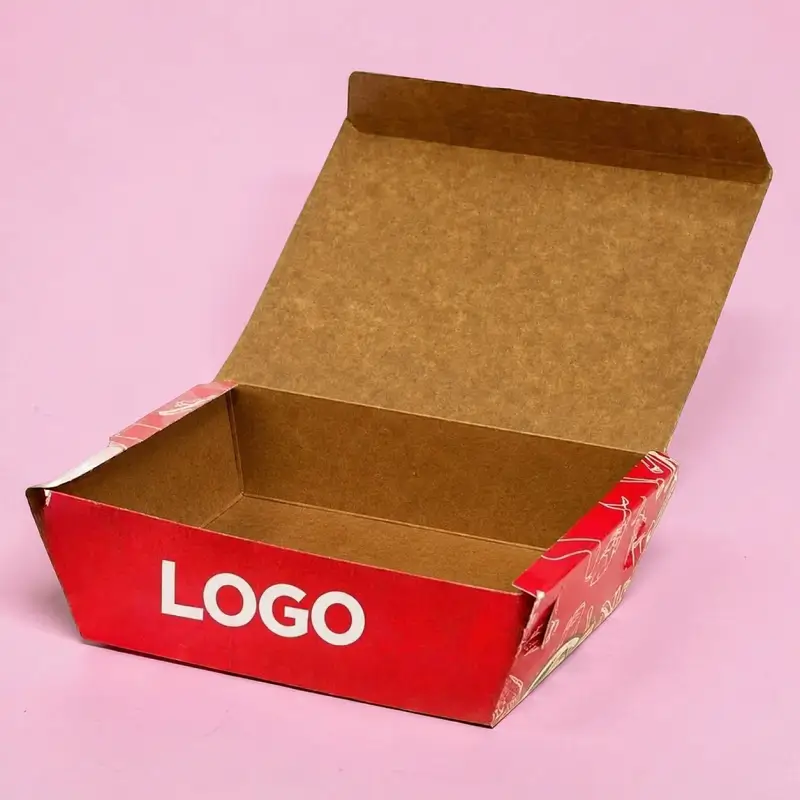
Custom Mushroom Boxes & Mushroom Packaging
Mushrooms are still alive after harvest, which is the thing most people miss. They keep respiring, giving off moisture and carbon dioxide, and if you seal them in they sweat, go slimy and spoil within a day or two. A mushroom box has to let them breathe. We produce a lot of mushroom packaging at ZEE Packaging and airflow is the whole design brief.
They Have To Breathe
A sealed mushroom box ruins the product faster than anything else.
- Mushrooms respire after picking and release moisture continuously
- Trapped humidity causes sliminess within a day
- Vent holes or an open top format, never fully sealed
- Uncoated board absorbs excess moisture, which actually helps here
- Plastic film is the worst option unless heavily perforated
- Cold storage slows respiration but does not stop it
Most spoilage complaints in mushroom packaging come from a pack that could not breathe.
The caps are more delicate than they look.
- Never stack loose mushrooms more than two deep
- A shallow tray is better than a deep one
- Caps bruise on contact and the mark shows within hours
- A snug fit stops rolling, which is what causes most bruising
- Speciality varieties like oyster and enoki need even gentler handling
- Rigid base, since a flexing tray lets the whole load shift
- Open punnet tray the standard mushroom box for retail
- Vented carton with a lid for transport and longer shelf life
- Shallow display tray farm shop and market mushroom packaging
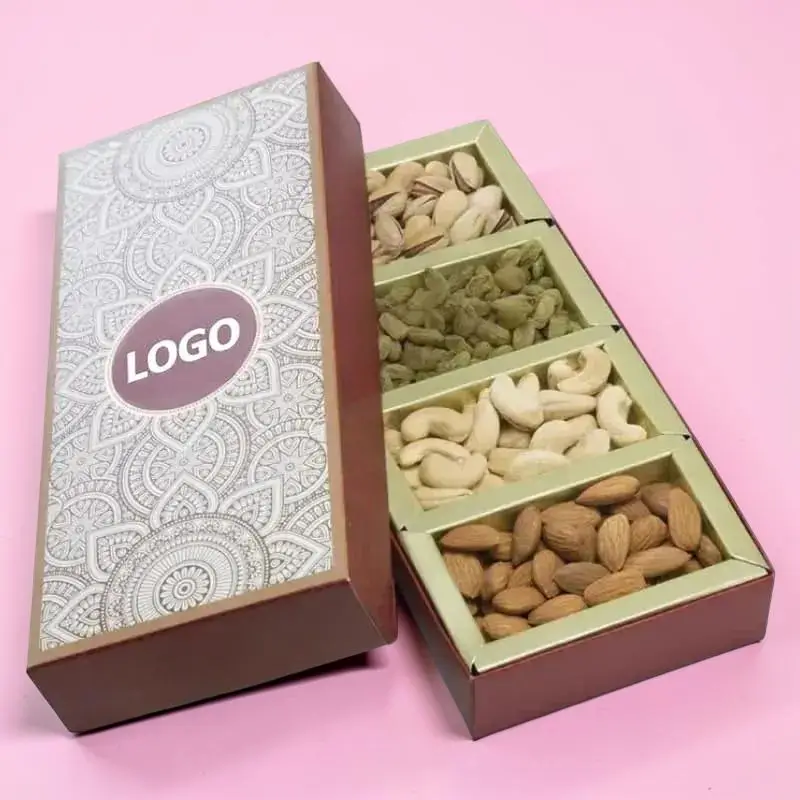
- Compartment tray for mixed variety packs
- Corrugated grower carton bulk harvest and wholesale
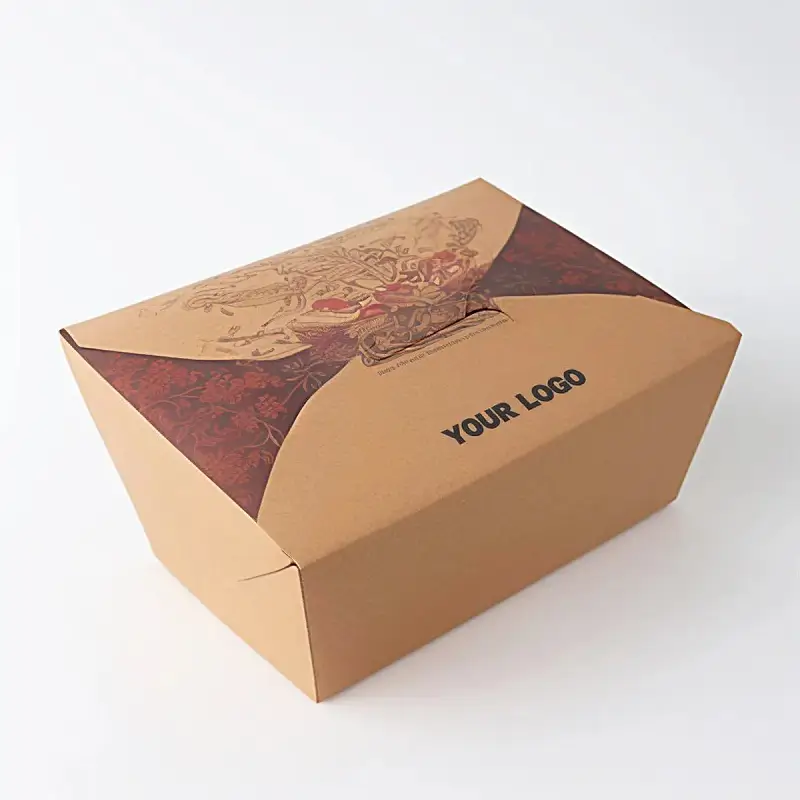
- Kraft carton with a window premium and speciality varieties
Sizes We Print Regular
Every mushroom box is built to your pack weight, though these run often:
- 6" x 4" x 1.5" for a 250g punnet
- 7" x 5" x 2" for a 500g pack
- 9" x 6" x 2" for a 1kg format
- 5" x 4" x 1.5" for a speciality variety pack
- 8" x 6" x 2" with compartments for mixed varieties
- 16" x 12" x 4" for a grower or wholesale carton
Keep the depth shallow. A deeper mushroom box holds more but the bottom layer bruises under the weight above it.
Board And Food Safety
- Food grade certified stock, always, without exception
- Uncoated board, which absorbs excess moisture usefully
- Kraft board for a natural farm position, very common here
- 18pt to 22pt for punnets and retail trays
- Corrugated E flute for grower and wholesale cartons
- Avoid heavy coatings, since they trap moisture against the caps
Kinder Material Choices
- Board replacing plastic punnets entirely, which is the big shift here
- Recycled kraft where food grade allows it
- FSC certified stock, certificate available on request
- Soy based ink through the whole run
- No film lid, or a compostable perforated film if you need one
- Right sized mushroom packaging so you ship less air
Plastic punnet replacement is the main reason growers come to us in this category, and board performs better on breathability anyway.
How An Order Runs With Us
- 100 unit minimum, so a small grower can order properly
- Free 3D mockup and flat proof before anything prints
- Free dieline drawn by our own designer
- Physical sample on request to test with a real harvest
- Urgent turnaround at 5 to 8 business days
- Free shipping worldwide with nothing hidden
Frequently Asked Questions
Why not seal them in film?
Because they respire. Sealed mushrooms sweat and go slimy quickly, which is why perforated film or an open format works far better.
Should the board be coated?
Generally no. Uncoated board absorbs excess moisture, which is genuinely helpful with a product that gives off water.
How deep should the tray be?
Shallow. Two layers at most, since the bottom layer bruises under the weight of anything stacked above it.
How much is a mushroom box?
Rough estimate is $0.08 to $0.25 per unit for a plain punnet, $0.15 to $0.45 with print and $0.55 to $1.40 for a grower carton at moderate quantity. Volume moves it. Shipping is included in our price. This is estimate only, so ask our team for a exact quote.
Can board replace plastic punnets?
Yes, and most growers are switching. It performs better on breathability and it recycles kerbside.
Is a window useful?
For speciality varieties, yes. Buyers want to see the size and condition of oyster or shiitake before buying.
Is the board food safe?
Always. We only run food grade certified stock for anything holding food.